
Hunting Work Boots Explained: Gear That Serves in Both Field and Forest Around the World

Hunting work boots are built for endurance and warmth, combining leather strength, grip, and breathable Gore-Tex comfort.
Updated on 23rd May 2026
Quick Summary: Hunting work boots combine full-grain leather, insulation, and Gore-Tex membranes to keep feet warm, dry, and supported during both long hunts and demanding outdoor work.
Before dawn, the land feels alive but still. The air is sharp, the scent of wet bark hangs low, and your first step leaves a print that glistens in frost. Most hunters know that feeling – the quiet balance between comfort and hardship. In that moment, hunting work boots decide how the day begins. They are not fashionable. They are survival gear, made for the hours that test patience and endurance.
Hunting Work Boots: Built for Real-World Conditions

A true boot carries its story in mud, scuffs, and weather stains. The best hunting boots are not designed for display but for movement, for the back and forth between labour and the wild. They need to handle farm chores at sunrise and stalking through the forest at dusk.
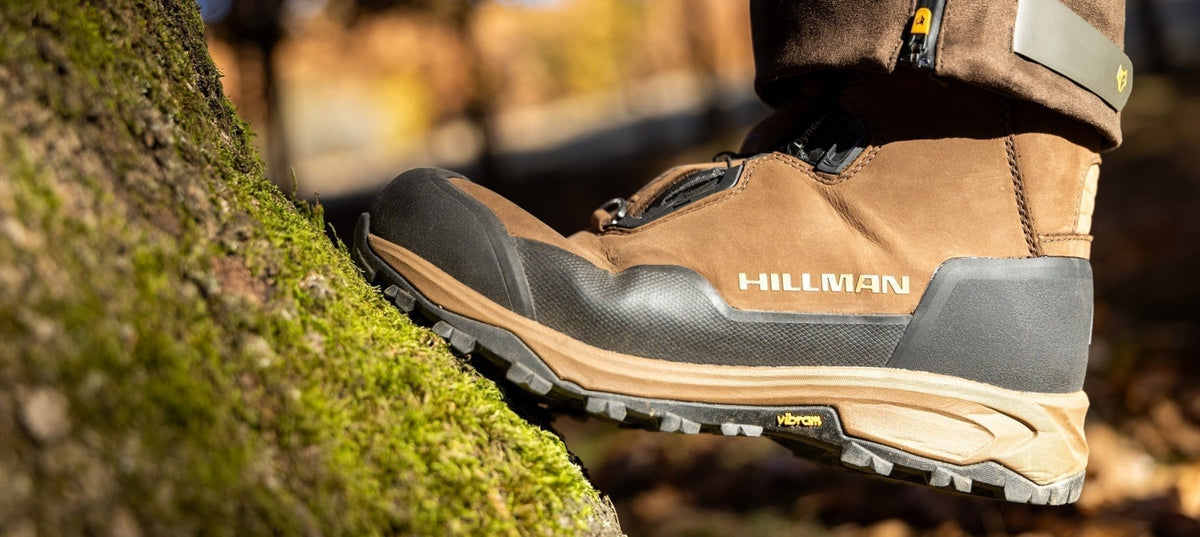
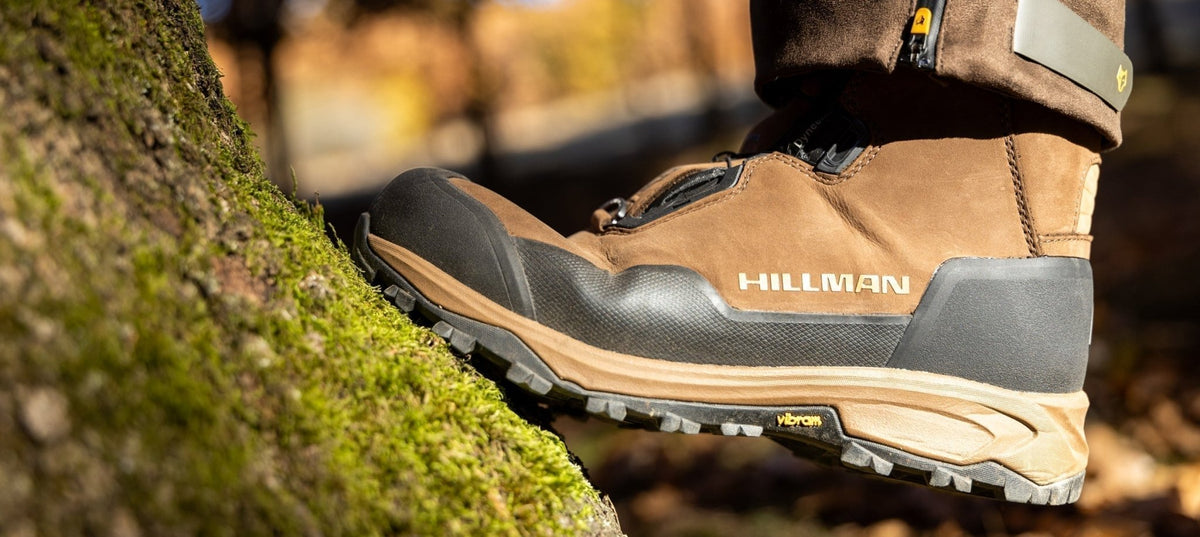
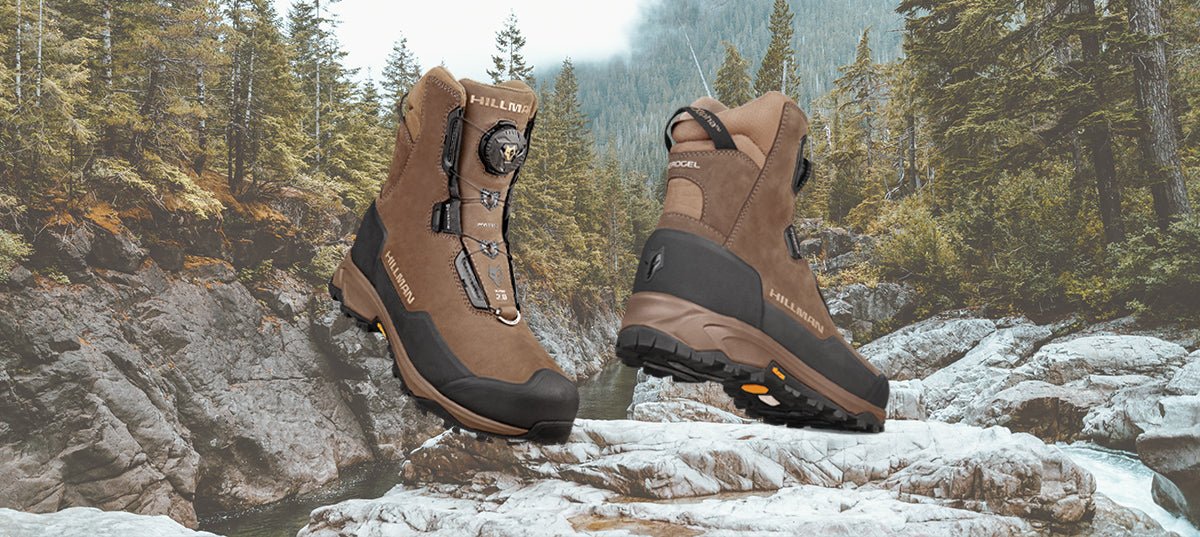
A good pair of boots brings structure without stiffness. Full grain leather gives shape and durability, while breathable waterproof membranes such as Gore-Tex and Dryhunt keep feet dry through sudden rain or thaw. Hunters who spend long days outdoors learn fast that moisture is the enemy. Once wet feet set in, cold follows.
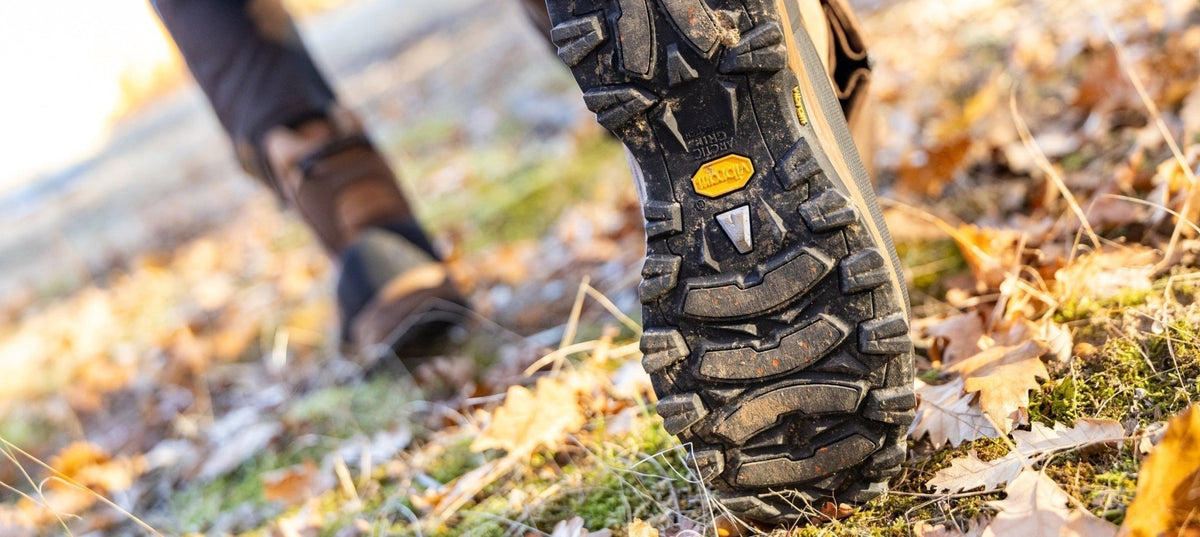
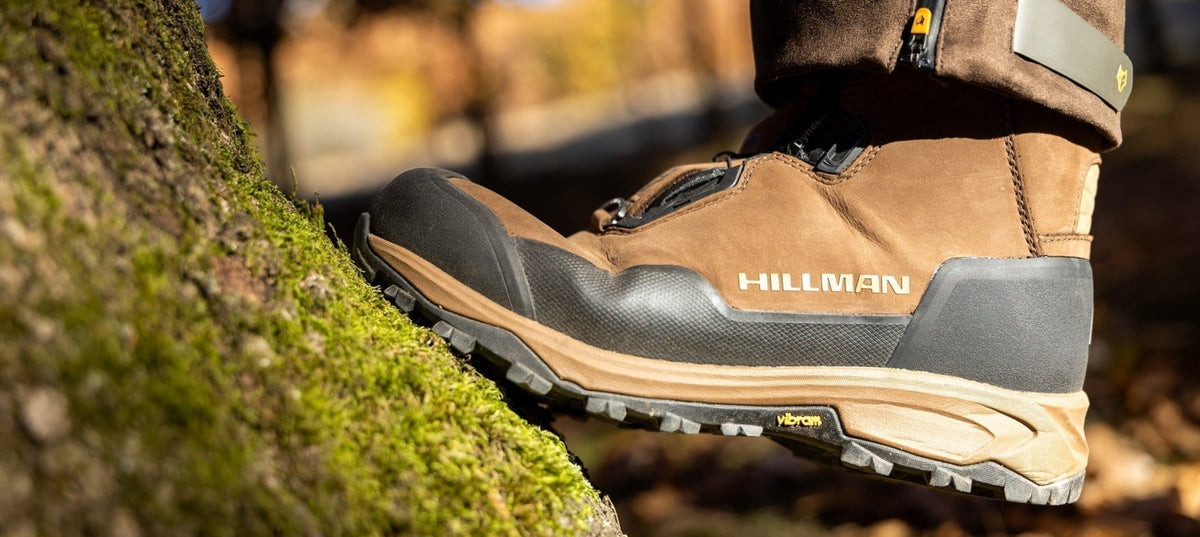
Beneath that, a Vibram sole grips mud and rock with the same determination. It’s this small detail that keeps the balance when the ground slides under you. The edges of a steep path, the weight of your pack, even a step into uneven terrain – all depend on the base of your boots.
What Role Does Silence Play in Hunting Environments?
Silence matters more than most people admit. Not in theory. In the moment. That short pause before first light when the wood is barely moving, and every small sound starts carrying farther than it should. A loud jacket is bad enough. Loud boots are worse. Bad noise comes from below. Scrape on a stone. Stiff leather talking back. Wet sole peeling mud with that sucking sound animals seem to hear before you do. That is why silent boots are not some luxury details. They change how close you get before the ground gives you away.
A lot of hunters only think about grips, warmth, or waterproofing, which makes sense up to a point. But silent hunting boots do something different. They let your movement stay small. More natural. Less announced. In woodland, on frosty edges, through wet leaves, over dry sticks, that matters. You do not always get a second chance after one careless step. Especially not when the air is still and the animal is already listening harder than you are.
Some noise comes from the ground, and some comes from the boot itself. Sole patterns. Stiffness. Loose fit in the heel. Cheap materials that creak once they get cold. People ask how to make boots less noisy, but usually the answer starts before the hunt, not during it. Break them properly. Lace them right. Keep the leather conditioned so it does not dry out and complain at every bend. And do not buy a boot that feels dead and clumsy underfoot, then expect it to move quietly through a quiet place.
Good silent footwear does not mean soft or weak. It still must hold shape, deal with wet ground, and keep you steady when the path turns awkward. It just does all that without constantly reminding the forest that you are there. That is the part many people miss. In hunting, silence is about getting closer. It is about moving in a way that feels calm, controlled, and believable to the ground you are crossing.
Best Hunting Boots for Long Days and Hard Ground

Long hunts are not just about distance; they’re about hours on your feet. The best hunting boots don’t make themselves known; they simply let you keep moving. For those who travel far, lightweight hunting boots bring lightweight comfort and reduce fatigue. For others facing deep cold, heavier boots and solid liners make every pause warmer.
Materials tell the difference. Nubuck leather dries soft and steady, while grain leather takes years to wear down. Hunters who work through cold weather often go a half size up to fit thicker socks or liners. The right fit isn’t tight or loose, it’s quiet, it disappears once you start walking.
When the day ends and the mud starts to dry, a solid sole and reinforced seams show why real hunting boots cost what they do. They are earned.
Why Fatigue Changes the Way Boots Feel After Hours Outdoors?
Fatigue changes everything underfoot. A pair of boots for hunting can feel steady in the first hour and completely different after a long walk through wet grass, broken tracks, soft ground, and uneven woodland edges. At the start of the day, the body forgives small problems. Later, it does not.
That is when pressure points begin to speak. A heel that moved slightly in the morning starts to rub. A sole that felt firm becomes tiring on hard ground. Extra boot weight, barely noticeable before sunrise, begins to pull at the legs after hours outdoors. In real field conditions, comfort is not something you judge standing still. You judge it when your pace slows, your pack feels heavier, and every step asks for a little more attention.
This matters even more during deer stalking, where movement is rarely simple. You may cover distance quietly, stop for long periods, crouch, cross wet cover, and then move again with stiff legs. Fatigue makes poor fit louder. It makes weak support obvious. It turns small mistakes in boot choice into distractions at the exact moment when focus should be sharp.
Good hunting work boots reduce that mental noise. They hold the foot securely without squeezing it. They cushion without feeling dead. They support the ankle without making the boot feel like a cast. After hours outside, the right boots do not ask for attention. They let the hunter keep reading the ground, the wind, and the movement ahead.
That is the real test. Not how the boots feel when they are new. How they feel when the day has already taken something out of you.
Insulated Boots: When the Cold Starts Talking
Cold doesn’t shout; it creeps. It climbs through the soles, waiting until your toes turn numb. That’s when insulated boots prove their worth. Good pairs trap heat through fleece lining or removable boot packs, creating a layer of warmth that doesn’t stifle.
For moving hunts, light insulation is enough to keep your feet warm without overheating. For static days in deep snow, extremely warm boots are vital. Hunters who have waited through still mornings know that warmth isn’t comfort, it’s survival.
The Right Hunting Boot for the Right Hunt

Choosing the right hunting boot is half the craft. Mountain boots suit climbs and stone paths; rubber boots thrive in flooded reeds. A versatile hunter knows that no single pair does it all.
Built like hiking boots, many models combine flexibility and excellent ankle support with protection against tough terrain. Good outdoor footwear adapts to varied terrain, balancing stiffness with freedom. Those are the essential features that define reliable gear.
The trick is to feel connected to the ground without fearing it. Once you find that rhythm, you stop thinking about your feet entirely.
Elk Hunting Boot: Built for the Distance

The elk hunting boot sets the standard for resilience. In mountain terrain, every slope tests balance, and each rock threatens to twist the foot. The best elk hunting boot has an upper material strong enough for rough terrain, yet light enough for long climbs.
Hunters chasing elk or sheep know this: weight and warmth must work together. The best boots mirror the foot’s shape, giving comfortable support through long descents. Built with reinforced seams and dense cushioning, they protect joints when exhaustion creeps in.
Walking endless ridges where air feels thin and silence stretches wide, you realise boots are not tools, they’re companions.

Gore-Tex and Dryhunt: The Unsung Layers of Protection
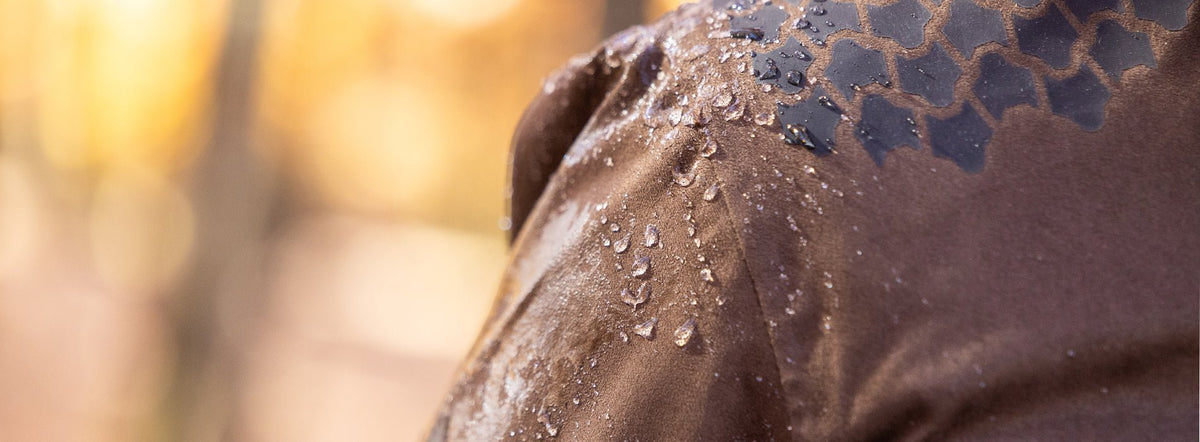
Every hunter talks about leather, but few mention the invisible layer beneath it. Gore-Tex has become the quiet armour of hunting gear, guarding against water and wind. Unlike simple coatings, breathable waterproof membranes release vapour, keeping comfortable footwear even when the rain doesn’t stop.
While Gore-Tex set the standard for waterproof gear, Hillman’s Dryhunt® membrane takes it further: hundreds of times more breathable and just as protective. It keeps water out, lets heat escape, and stays reliable even when you’re wading through deep, cold ground.
Quality Shooting Boots: Tradition That Works

There’s a reason old hunters polish their shooting boots long after the laces wear thin. They trust them. Modern shooting footwear honours that tradition through traditional craftsmanship: double stitching, hand-fitted soles, natural flex.
Today’s best shooting boots balance stability with quietness. On wet ground, they move softly and stay grounded. Hunters walking dogs at dawn appreciate that calm control, where every step counts but makes no sound.
Through Deep Mud and Wet Ground

Anyone who’s stepped into deep mud knows the strange pull that comes with it. It grabs at your boots, tries to keep them, tests the seams and the strength of every stitch. Field boots with open tread patterns shed that weight fast. The right design lets the mud fall away instead of clinging.
For wet environments and soft soil, rubber boots or mixed-construction pairs work best. They keep feet dry without feeling heavy. Hunters who cross uneven terrain or flooded patches need this balance, the difference between slogging and gliding. A good boot handles both, proving itself long before the season ends.
Great Hunting Boots for Every Outdoor Adventure

Every landscape teaches you something new. Great hunting boots adapt to all of it: heat, frost, rough terrain, silence, and time. They carry hunters through outdoor adventures where nature changes faster than plans.
For upland bird hunting, you need traction that bites but never weighs you down. For cold conditions, warmth takes the lead. The best pairs combine key features that seem simple at first: grip, breathability, insulation, and balance.
Comfortable boots help you walk long miles without thinking about each step. Serious hunters often rotate sets like mountain boots for climbs, lighter ones for open ground, and insulated models for the freeze. It isn’t indulgence, it’s wisdom. Each pair finds its place when the weather shifts.
And when the day’s done, there’s that small relief as you untie the laces and set them by the door, still damp with the smell of the hunt.
How Boot Height Changes Movement in Forest and Field Conditions?

Boot height changes the way a hunter moves. It affects stride, ankle control, weight, warmth, and how much confidence you have when the ground starts to shift. In mixed field conditions, there is no single right answer. There are only better choices for the terrain, the season, and the kind of hunting ahead.
High hunting boots give the most protection. They make sense in deep mud, wet cover, snow, cold ground, and rough forest where the ankle needs more support. They help when the boot has to deal with brambles, soaked vegetation, unstable slopes, or long hours in harsh weather. The trade-off is weight and reduced freedom. Over distance, especially on a long walk, that extra structure can become tiring if the terrain does not really demand it.
Low hunting boots feel lighter and more natural. They suit easier ground, dry tracks, warmer weather, and faster movement where freedom matters more than heavy support. For active days, they can reduce fatigue and help the foot move more freely. But they offer less ankle protection, and in rough woodland or wet ground, that can become a weakness quickly.
Mid hunting boots often offer the best compromise. They give more support than low boots, without the full weight and restriction of high boots. For hunters moving between forest paths, open fields, slopes, and uneven ground, mid-height boots can be the most practical choice. They are especially useful when the day is hard to predict, which is often the case with real boots for hunting.
For deer stalking, I usually think carefully about height before anything else. If the ground is steep, wet, or unknown, more ankle support earns its place. If the hunt involves quieter movement across lighter terrain, a lower or mid boot may feel better. The right height is not about appearance. It is about how naturally the boot lets you move when the forest and field stop being easy.
Ankle Support: Your First Line of Stability
Twists happen fast, especially on rugged terrain. A rock rolls, a slope gives, and that’s when ankle support becomes the unsung hero. A boot with a strong collar and padded heel saves not just your footing, but your hunt.
It doesn’t need to be stiff. The best designs protect without restricting movement. Excellent ankle support is what lets you move confidently through tough terrain, carrying weight, and focus. Most hunters never think about it until the ground shifts, and then they never forget it.
Finding the Perfect Pair of Hunting Boots

There’s a moment when you realise you’ve found your perfect pair. Maybe it’s the second day out, maybe the tenth. The boots stop feeling new, stop reminding you of their presence. They simply belong.
Look for balance in every part: boot features, seams that flex, upper material that breathes, soles that grip on slippery slopes. Real quality hides in the small things. Some pairs dry overnight without direct heat; others carry a faint scent of leather and earth that no cleaner can remove.
Good boots age like hunters do, with stories written in scuffs. And when you find the right boot, you stop chasing new ones. You’ve found trust.
Boots That Carry You Further

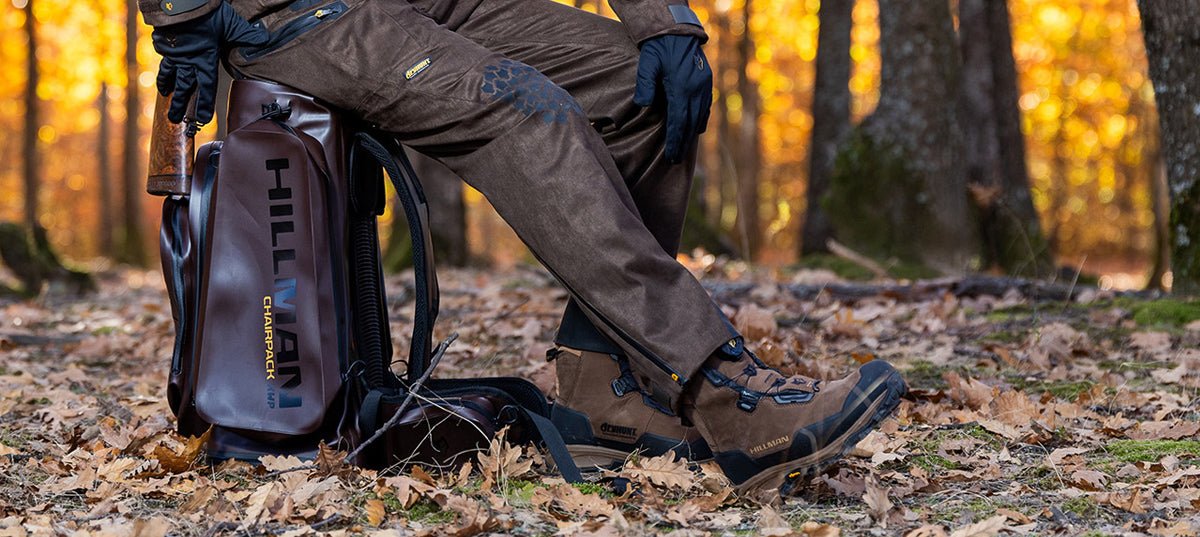
At the end of every hunt, when the last light fades and the cold bites harder, you feel it, the weight of your day resting on your feet. Hunting work boots carry that weight silently, one step at a time. They face deep mud, rough terrain, snow, rain, and still come home standing.
They’re more than outdoor footwear; they’re partners built for endurance. Comfortable footwear makes the miles feel shorter, and the right hunting boot turns challenge into rhythm.
Somewhere between the early frost and the final trail, a hunter learns to trust his boots. That’s what we build for at Hillman: a hunting gear made for real stories, real weather, and real ground beneath your feet. Boots that work as hard as you do.


Share: