
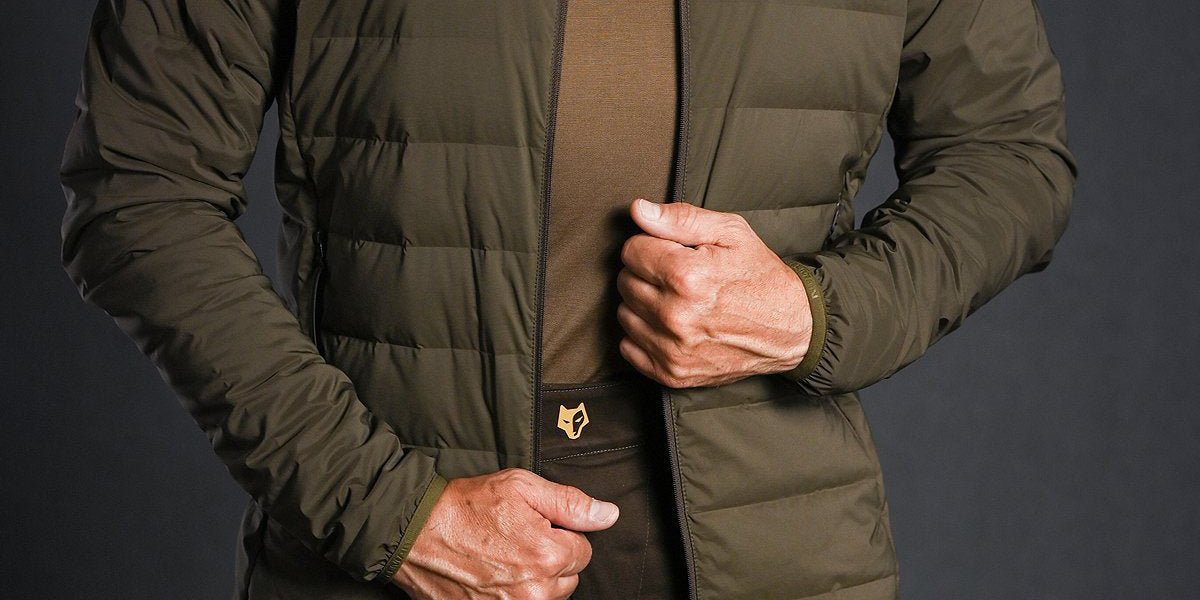
How to Dress for Hunting: A Layering System That Keeps You Warm Without Overheating

Struggling with sweat on climbs and cold during long sits? Discover how to dress for hunting with a layering system that balances body heat, moisture control, and protection in any weather.
I used to overdress. Not dramatically, not obviously, just enough to make every long climb harder than it needed to be. At the trailhead, the cold would justify it. An insulated outer layer felt like preparation, like discipline. But halfway through the first push uphill, I would feel the heat building under my jacket and know I had miscalculated again.
How to dress for hunting stopped being a gear question for me and became a timing question - when to add a layer, when to remove it, and when to accept that feeling slightly cool is smarter than sweating too soon.
Why How to Dress for Hunting Is About Temperature Control, Not Just Clothing?

When people ask how to dress for hunting, they often mean what jacket to buy or what hunting jackets perform best in cold conditions. The better question is how your clothing handles temperature.
Your body produces heat the moment you begin moving. Long treks through uneven terrain increase the heat quickly. Even in cold weather, you can overheat within minutes if your clothing does not allow moisture to escape. Sweat forms, fabric becomes damp, and once you slow down, that dampness starts to draw warmth away from the body.
Managing body heat means thinking ahead. I have learned to remove a layer before I begin climbing, even if I feel slightly cool at first. That slight coolness is temporary. Overheating lasts longer and costs more in comfort.
Weather conditions change throughout the day, but your internal temperature shifts even more often. A good layering system works with that rhythm. It allows you to adjust before sweat builds up, not after.
There was a hunt a few seasons back when I thought I had finally mastered temperature management. The air was cold enough to justify insulation, but the terrain was rolling rather than steep. I convinced myself I could keep the mid-layer on during the approach. Within an hour, I felt efficient, strong, productive. By the time I slowed to a glass, the wind shifted across an exposed saddle, and I felt the exact moment the damp fabric cooled. It was not dramatic. It was gradual, persistent, and distracting. That quiet discomfort stayed with me longer than the climb itself. Since then, I have trusted adjustment over optimism.
Building a Layering System for Changing Weather Conditions

A practical layering system is built on roles rather than thickness. Each layer has a job, and together they create versatility.
There is a base layer next to the skin. There is the mid layer for insulation. There is the outer layer that shields you from wind, rain, and snow. When those roles are clear, clothing becomes a system rather than a collection of garments.
Breathability matters as much as protection. An outer layer with a breathable membrane prevents moisture from condensing inside your jacket while still protecting you from wet conditions. If moisture cannot escape, it stays trapped, and trapped moisture undermines warmth.
Layering also prepares you for challenging conditions that shift throughout the day. A flexible structure allows you to adapt when the weather shows something different from what you expected at dawn. Instead of adding heavier clothing, you adjust the combination of layers.
The point is not to feel warm at all times. The point is to stay comfortable and prepared for movement and rest alike.
The Base Layer and Body Heat: Where Moisture Management Begins

The base layer is worn directly against the skin, and that position makes it critical. Its main purpose is not insulation but moisture management.
Merino wool has become a preferred material for many hunters because it wicks moisture more effectively than cotton and continues to provide insulation even when slightly wet. Merino wool is naturally odor-resistant and comfortable during long days in the field. When I wear merino, I notice that even after steady movement, the fabric does not feel clammy against my skin.
Synthetic fabrics such as polyester offer different advantages. They absorb very little moisture and dry faster than wool, which can be valuable in wet conditions or during persistent rain. Modern synthetics are designed to move sweat away from the body efficiently while remaining breathable.
Cotton, however, is a poor choice for active hunting. It absorbs perspiration and holds it, leaving the fabric damp and reducing warmth. In cold conditions, cotton increases the risk of rapid cooling.
A good base layer should fit snugly enough to manage moisture effectively without restricting movement. When sweat moves away from the skin quickly, cooling becomes gradual rather than abrupt, and the entire layering system functions more efficiently.
It is easy to underestimate what happens under your jacket because you cannot see it. You only feel the result. I have had mornings where I blamed the wind, blamed the temperature, even blamed the forecast, before realizing the real issue started with the base layer choice I made at the truck. When moisture is not managed properly at the skin level, every other layer works harder to compensate. And that compensation rarely feels comfortable.
The Mid Layer: Insulation That Adjusts With Movement

The mid layer provides insulation and continues moving moisture outward from the base layer. Materials such as fleece and wool blends are common choices because they offer warmth without excessive bulk.
Fleece dries faster than wool and provides reliable insulation during active hunting. Wool retains heat well, making it suitable for stationary periods in cold conditions when you are glassing or waiting. The choice between fleece and wool often depends on the expected balance between movement and rest.
What I have learned over time is that insulation must match effort. During long treks, I often reduce insulation before I begin climbing. Keeping a thick mid-layer on during heavy movement leads to overheating and sweat buildup, which creates problems later.
A thin vest can sometimes replace a thicker mid-layer, providing core warmth while allowing freedom of movement. That flexibility increases versatility without adding unnecessary bulk.
Insulation should support warmth without trapping excess heat.
Choosing the Right Outer Layer and Insulated Outer Layer for Harsh Weather

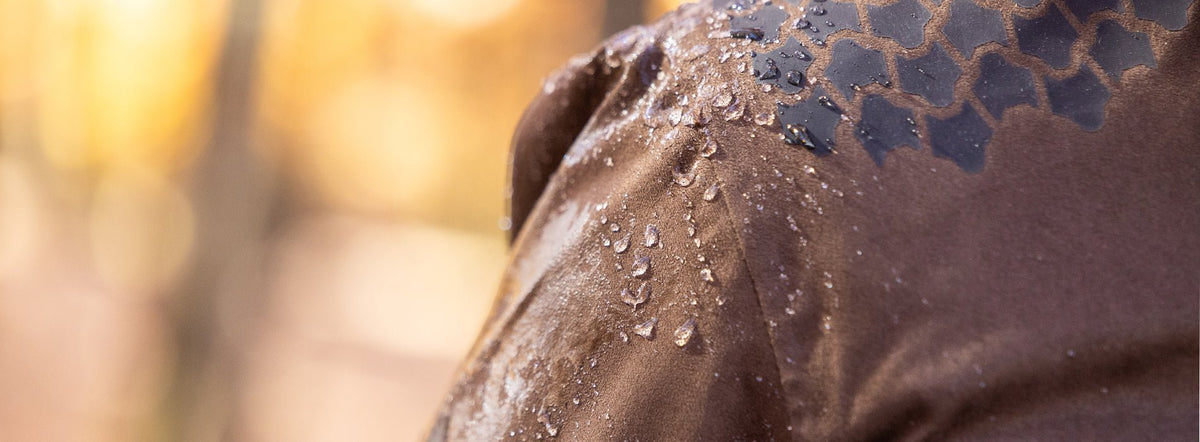
The outer layer protects against wind, rain, and snow, acting as the primary barrier between you and the elements. In wet conditions, waterproof protection becomes essential. A breathable membrane allows moisture to escape while preventing rain from penetrating the fabric.
A soft shell jacket offers flexibility and breathability in cool, dry weather, making it suitable for active movement. In heavy rain or snow, a fully waterproof outer shell provides necessary protection. The choice depends on expected weather conditions and activity level.
An insulated outer layer becomes important in winter or during extended rest periods in cold conditions. When body heat drops due to inactivity, insulation preserves warmth quickly. High-performance hunting jackets are designed to combine protection, durability, and mobility, often using reinforced nylon and advanced materials to withstand rough terrain.
The outer shell layer should shield you from wind and wet weather while remaining breathable enough to prevent internal moisture buildup. Protection without ventilation creates a different kind of discomfort.
Hunting Clothing for Cold Weather and Long Days

Cold weather exposes weaknesses in clothing systems quickly. Hands and feet require careful attention because once they become cold, overall comfort declines.
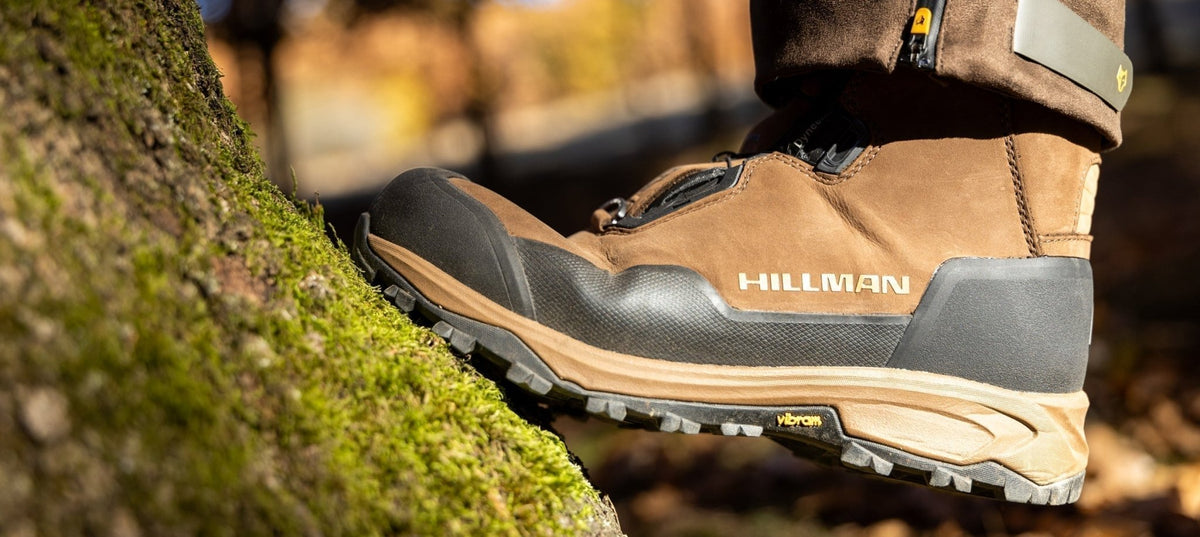
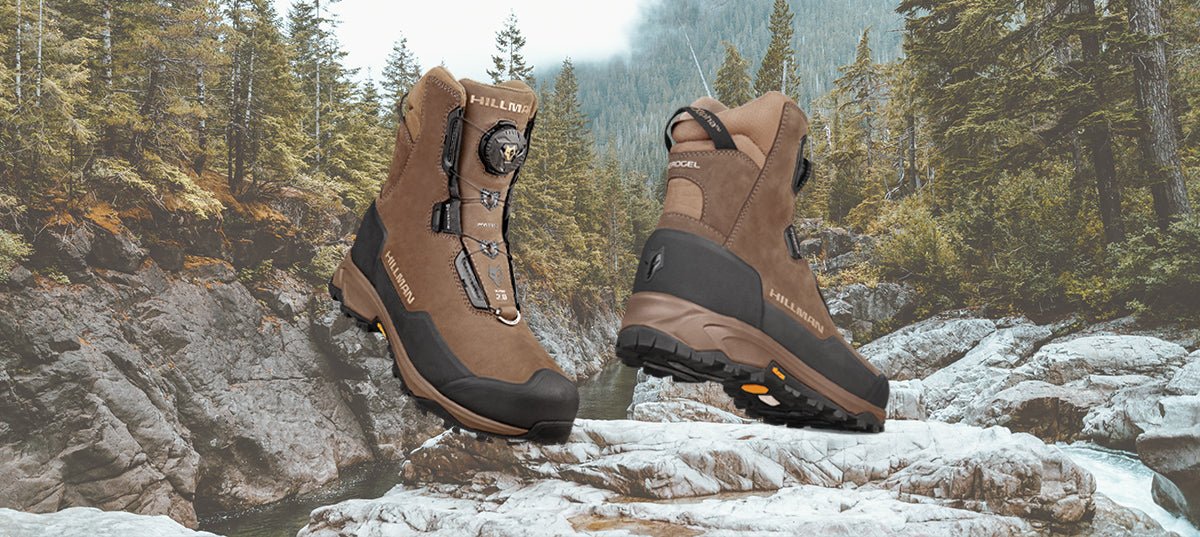
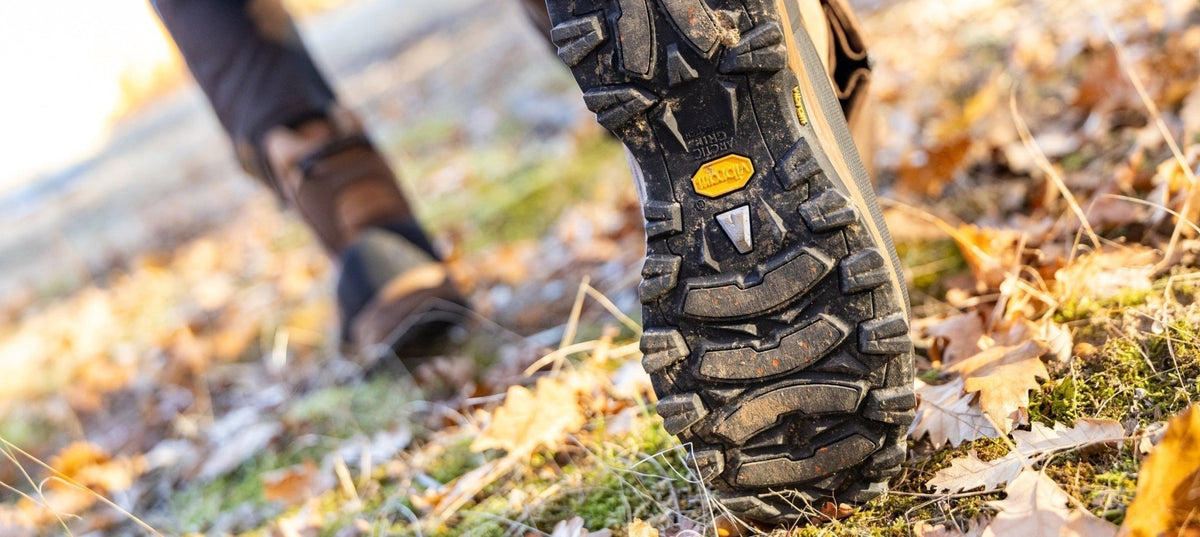
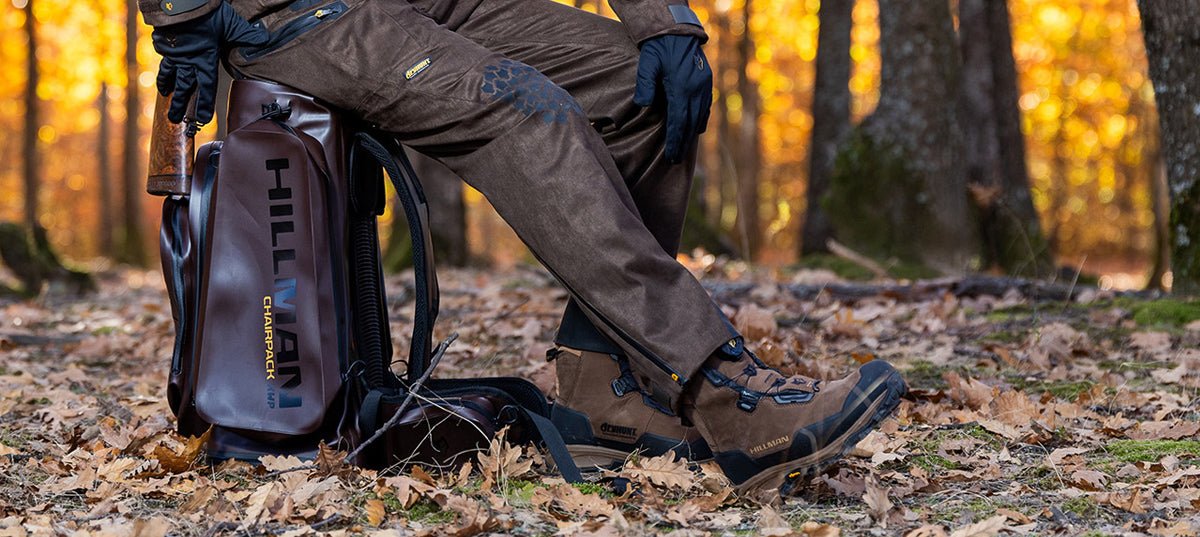
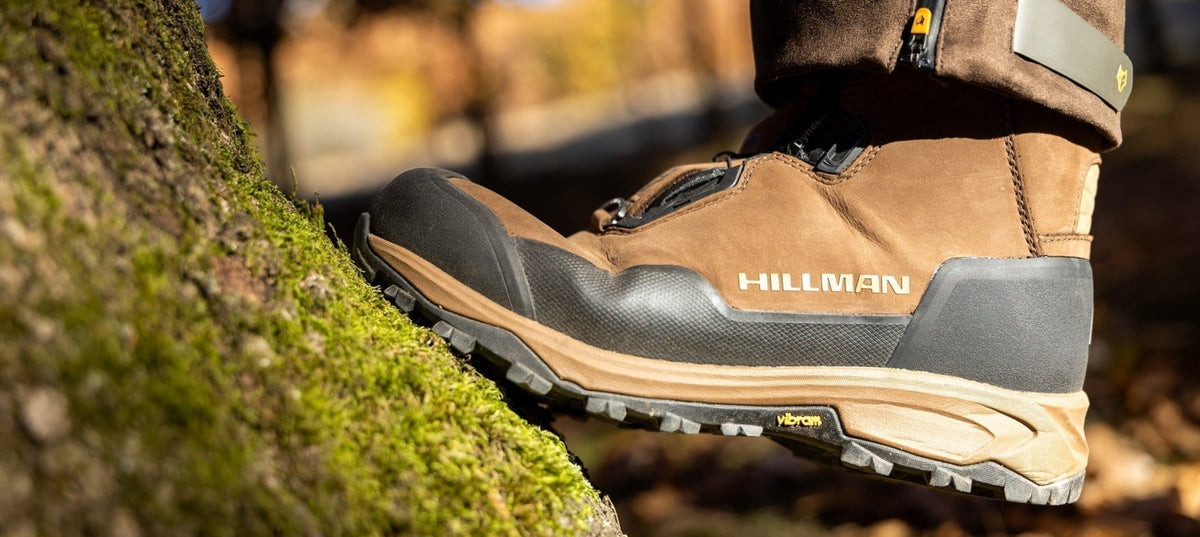
Leather-lined rubber boots and modern insulated waterproof boots help keep feet dry and warm during long treks. Hunting boots should provide support and traction on slick or muddy terrain while remaining breathable enough to prevent internal dampness.
Gloves must balance warmth and dexterity. Light wool gloves work well during cool mornings or when concealment matters. Waterproof gloves with insulation are more suitable for cold, wet conditions. Choosing the right gloves ensures you remain protected without sacrificing control.
Headwear also matters. Some body heat is lost from the head, and a warm hat, such as a beanie, helps retain warmth during rest. Accessories may seem secondary, but they significantly enhance comfort and protection over long days.
Hunting Jackets and Hunting Gear for Challenging Weather Conditions

High-performance hunting jackets are designed to offer warmth, comfort, and mobility while providing advanced waterproof and windproof capabilities. Durable materials such as nylon blends withstand brush and rough terrain, ensuring longevity without restricting movement.
Hunting pants should feature water-resistant finishes and breathable materials to maintain comfort during long days in the field. Reinforced areas improve durability in challenging conditions.
Hunting gear must function as a coordinated system. Moisture-wicking base layers, adaptable mid layers, and protective outer shells work together to regulate temperature and manage moisture effectively. When clothing and gear operate in harmony, efficiency improves, and focus remains on the hunt rather than discomfort.
Dressing for Wet Conditions and Unpredictable Weather

Wet conditions require prioritizing waterproof protection. Rain and snow increase heat loss and reduce insulation if layers are not shielded properly.
A waterproof outer layer with a breathable membrane prevents external moisture from entering while allowing internal moisture to escape. Synthetic fabrics often dry faster in damp environments, offering advantages during prolonged exposure.
Windproof features further enhance protection in exposed terrain where wind accelerates cooling. Preparation for unpredictable weather is not an afterthought but a core part of staying dry and comfortable.
Late in one winter hunt, after several long days of adjusting layers almost instinctively, I noticed something simple. I was no longer thinking about clothing. I was not distracted by damp fabric, not shifting gloves, not debating whether I should have brought a thicker insulated outer layer. The layering system had stopped being a concern and had quietly become background. That absence of distraction allowed more attention to terrain, movement, and timing. It is a small shift, but in hunting, small shifts often matter more than dramatic ones.
Conclusion
Understanding how to dress for hunting ultimately comes down to anticipating changes in movement, weather, and body temperature. When your layering system manages moisture, insulation, and protection in balance, you remain comfortable through long days in cold, wet, or shifting conditions. Comfort allows you to focus on terrain and opportunity rather than distraction, which is often what determines success in the field.

Share: