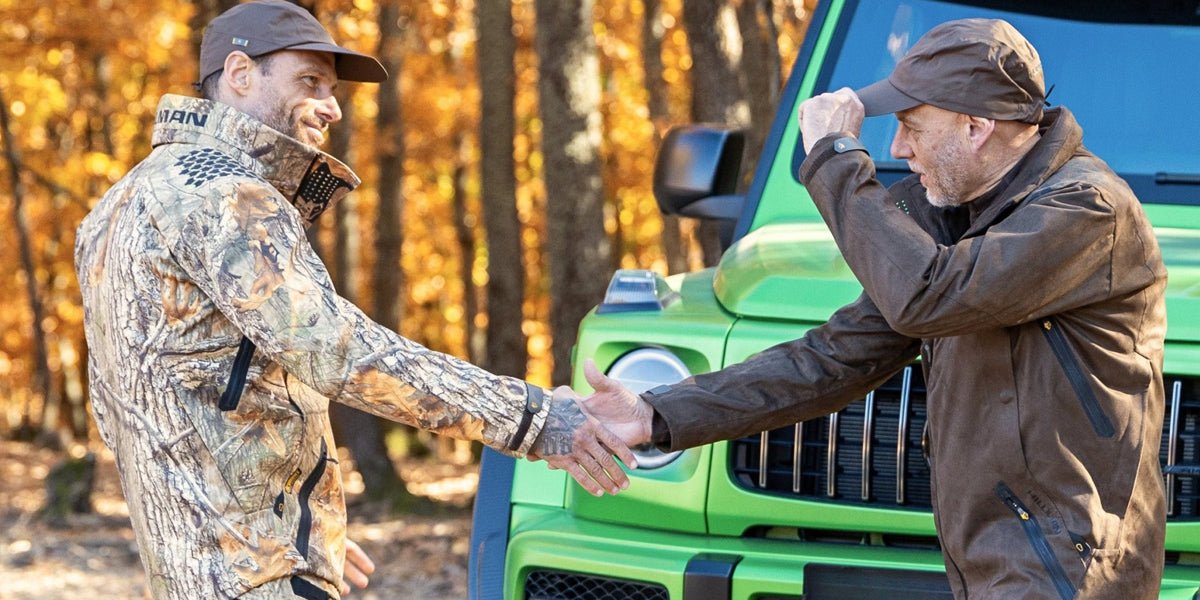
Global Hunting Insight: Why Quiet Clothing Means Different Things in Different Countries

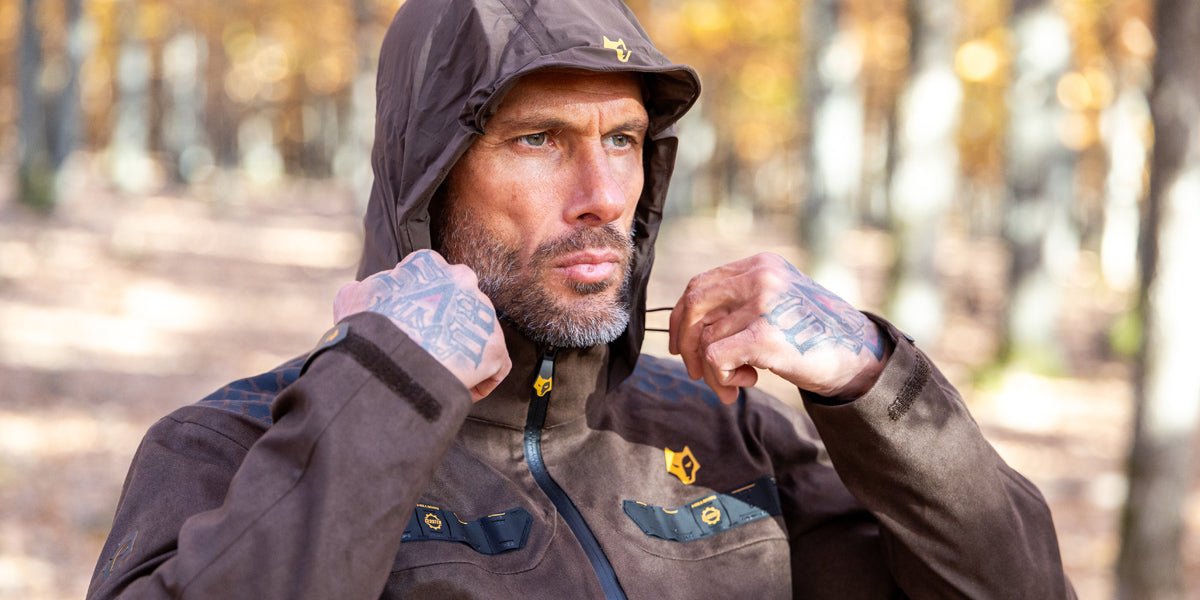
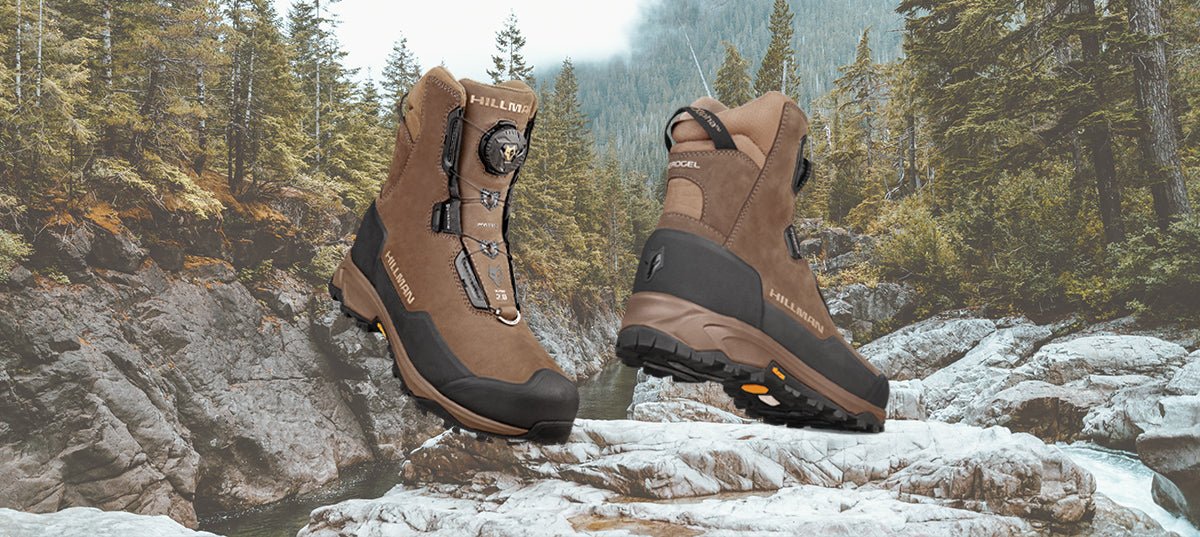
quiet hunting clothing around the world: silent pants, jackets, boots, backpacks with brushed fabrics

Silence in hunting depends on fabric, movement, and environment. Learn why quiet hunting clothing works differently across countries and terrains.

Silence is one of those things hunters talk about often, but rarely define in the same way. Out in the field, quiet is never abstract. It is felt underfoot while walking, heard in the way fabric moves around the legs, and noticed when the wind catches a jacket at the wrong moment.

Over time, we have seen how quiet hunting clothing changes its meaning from one environment to another. In damp forests, sound behaves differently. Moisture hangs in the air and softens movement. In dry terrain, every step feels exposed, every brush of fabric against cover suddenly louder than expected. The same clothes can feel silent in one place and completely wrong in another.

That is why silence cannot be treated as a fixed feature. It lives somewhere between temperature, moisture, movement, and how the body interacts with gear. Even small details, seams touching the skin, zippers shifting, pockets moving when you sit or stand, can quietly work against you long before the game ever comes into view.

Quiet Hunting Clothing: Why Silence Is Never Universal?

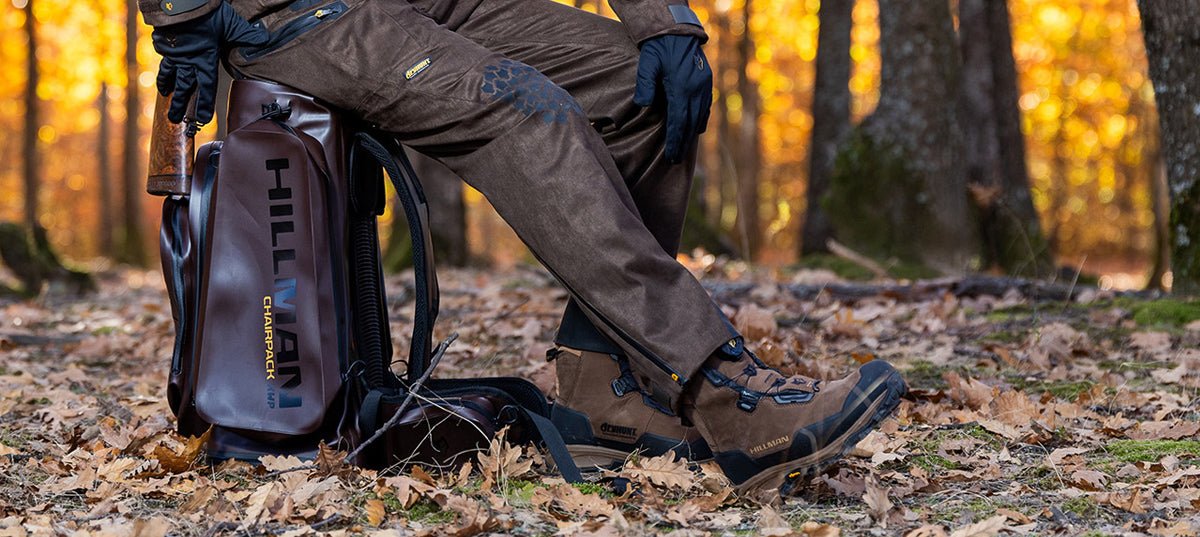
quiet hunting clothing around the world: silent pants, jackets, boots, backpacks, accessories

Quiet hunting clothing is shaped by how a hunt actually unfolds. Sitting still for long periods while waiting for deer demands warmth and stillness. Moving steadily through cover while tracking elk puts pressure on breathability, flexibility, and noise control at the same time. These are very different demands, even if the word “quiet” is used for both.

The real key is how fabrics handle sound. Some materials absorb it. Others throw it back into the air. Soft, brushed surfaces behave differently when legs move or arms lift. They soften motion rather than announce it. Loud fabrics, on the other hand, amplify small movements until silence feels impossible to maintain.

Temperature changes complicate this further. Cold can make certain clothes stiff and noisy. Heat pushes hunters toward lightweight garments that still need to remain soft during movement. Colour and camo help visually, but silence is physical. It happens when clothing bends, stretches, and settles quietly as the body moves through the environment.

Hunting Gear and Noise: Where Most Hunters Go Wrong?

quiet hunting clothing: silent pants, jackets, boots, backpacks, accessories with brushed fabrics

Most noise problems do not come from bad hunting skills. They come from small gear choices that feel insignificant until they are tested in the field. A backpack shifts slightly with every step. Boots touch the brush at an awkward angle. A zipper taps against something solid. These sounds add up.

Noise often appears during ordinary moments. Standing up. Sitting down. Adjusting a hood when the wind changes direction. Waterproof layers that perform well against rain can suddenly feel loud once they start rubbing against themselves. Metal components are especially unforgiving, carrying sound through air and fabric with ease.

Quiet hunting is not about stripping gear down to nothing. It is about function. Gear should follow the body’s movement instead of resisting it. When fit, softness, and placement work together, sound fades naturally. Silence becomes less of a goal and more of a result.

Wick Moisture, Heat, and Sound: The Overlooked Connection

quiet hunting clothing around the world: silent merino wool layers, moisture-wicking

Moisture is one of those things hunters often notice too late. Not rain, that part is obvious, but the moisture created by the body itself. It builds slowly while walking, then changes everything once you stop. Clothes that felt soft an hour ago suddenly cling to the skin. Fabric tightens as the temperature drops. Movement starts to sound different.

We have seen this happen again and again. When moisture is not managed well, sound appears almost quietly at first. A slight stiffness. A faint scrape where there was none before. What felt controlled during steady movement becomes unpredictable once the body cools down and the pace changes.

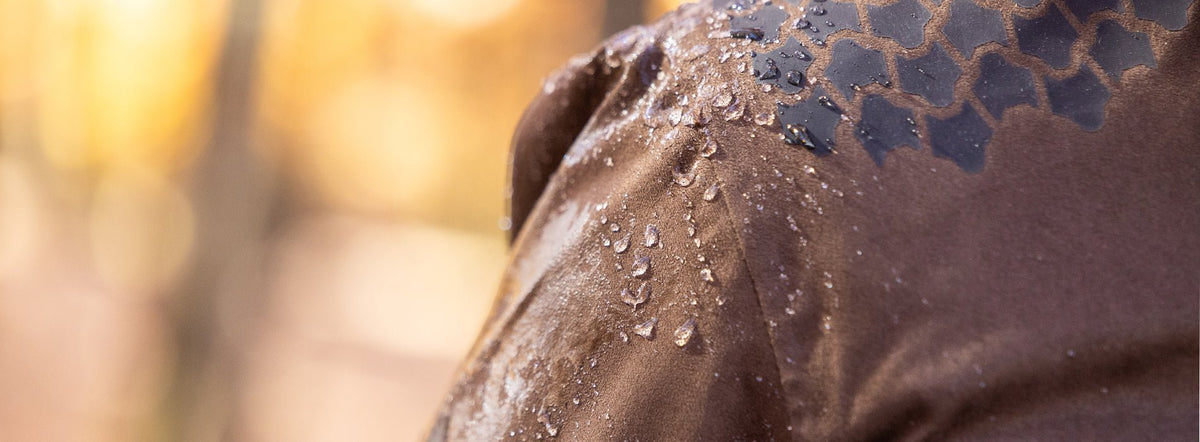
This is why wicking matters far beyond comfort. Fabrics that move moisture away from the body stay lighter and more flexible. They breathe better. And because they stay soft, they remain quieter. The difference becomes clear during long hunts, when heat builds up and fades repeatedly as hunters walk, sit, stand, and slow their pace.

Layering plays its role here, though not always in obvious ways. A good base layer helps stabilize temperature close to the body, which keeps outer garments from soaking up moisture and stiffening. When layers work together, sound tends to disappear into the fabric. When they fight each other, even careful movement starts to carry.

Gear That Moves With You, Not Against You

quiet hunting clothing around the world: silent pants, jackets with brushed fabrics

Silence rarely breaks in one dramatic moment. More often, it fades through friction. A jacket pulling slightly when arms lift. Pants tightening at the knees. A backpack shifting just enough to change how weight sits on the body. None of these things feel serious on their own. Together, they add up.

Quiet gear understands movement. Pants should follow the legs naturally, not resist them. Jackets need room through the shoulders and arms without excess fabric catching the wind. When garments are too tight, seams stretch and make noise. When they are too loose, fabric moves on its own and sound follows.

Fit is often underestimated. Adjustable features help block cold air, but they also keep clothing stable during movement. When gear stays where it should, there is less friction, fewer corrections, and less sound. Silence does not come from rigidity. It comes from balance, between structure and softness, control and freedom.

Fabrics That Absorb Sound Instead of Amplifying It

Once the hunt begins, fabric behaviour matters more than labels or claims. Some materials push sound outward. Others quietly absorb it. The difference shows itself quickly when clothes brush against cover, rub against themselves, or react to wind.

Soft, brushed fabrics have earned their place over time. They dull sharp movement and soften sound during walking or shooting. Fleece remains a trusted option, especially when temperatures drop and silence becomes harder to maintain. Softshell materials sit somewhere in between, offering a useful balance of noise control, mobility, and protection from wind and light moisture.

Problems tend to appear with stiff fabrics built primarily for waterproof performance. When these materials rub against each other or against gear, sound travels easily. Quiet hunting clothing avoids this by placing softness where movement happens most, while still protecting the body where exposure matters.

Seasonal Silence: Clothing Choices That Change With Temperature

quiet hunting clothing around the world: silent pants

Silence changes with the season. Cold weather hunts demand warmth without stiffness. As temperatures fall, some fabrics harden and become loud, even when movement stays careful. Clothing built for cold conditions needs to remain flexible after the body cools down, especially during long periods of sitting on a stand.

Summer introduces a different kind of challenge. Lightweight garments must protect the skin from heat, air exposure, and bites while staying quiet in dry conditions. Breathable shirts and well-ventilated pants reduce friction during movement, which helps keep sound under control when cover is brittle and unforgiving.

In both cases, silence follows comfort. When temperature is managed well, movement stays smooth. When discomfort sets in, adjustments increase, and noise usually comes with them.

Camouflage, Colour, and the Illusion of Silence

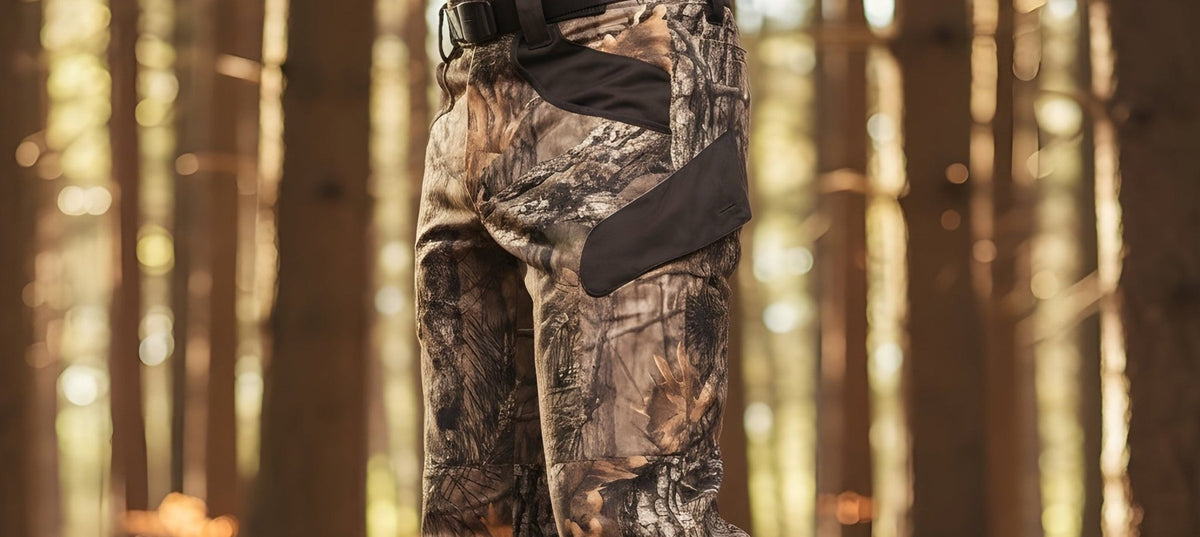
quiet hunting clothing around the world: camo silent pants, jackets, boots, backpacks

Camouflage helps hunters disappear visually, but colour alone does not create silence. Green, brown, and natural tones blend into the environment, yet sound often gives away position long before movement is seen.

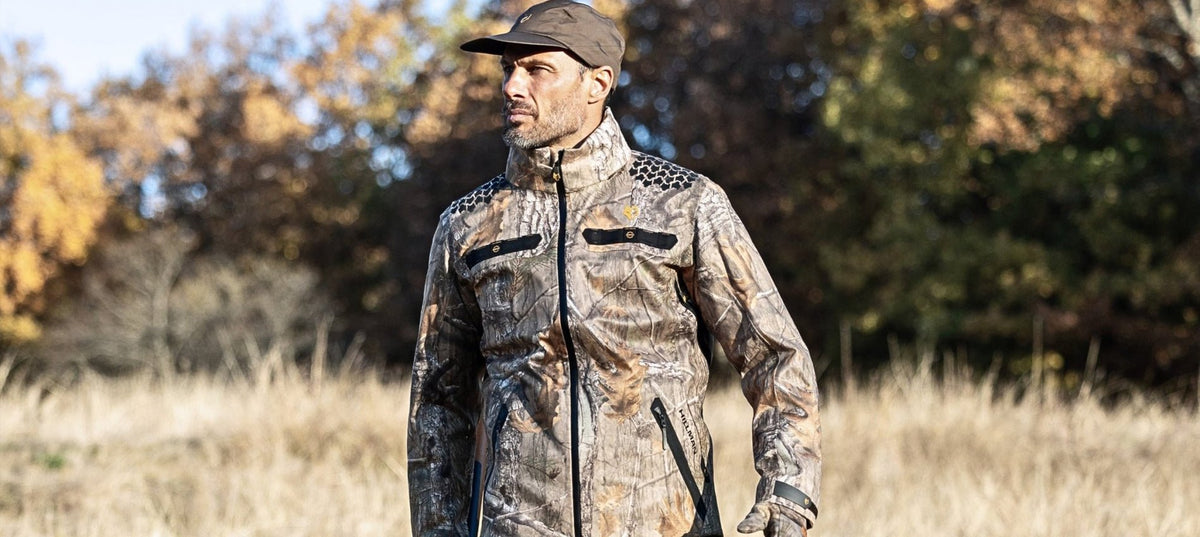
Quiet clothing works with cover, not just colour. Fabrics that brush softly against vegetation allow movement without constant noise. Loud materials, even in well-chosen camo, break the illusion immediately.

True concealment comes from alignment. Visual blending supported by physical quiet. When both work together, movement becomes less noticeable, and silence feels natural rather than forced.

Small Gear Details That Make a Big Difference

quiet hunting clothing around the world: camo backpacks, accessories with brushed fabrics

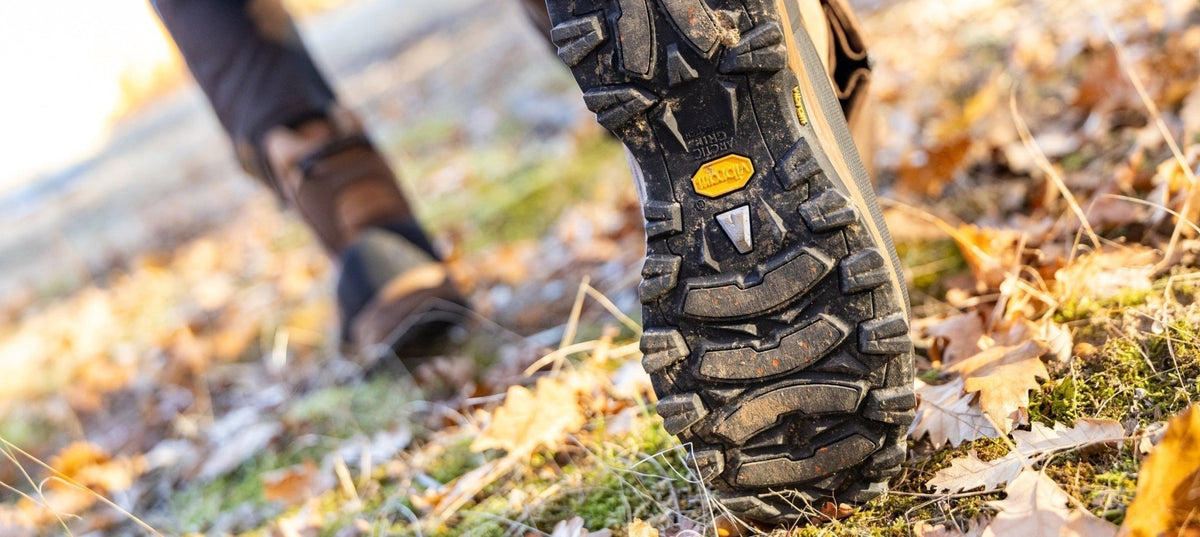
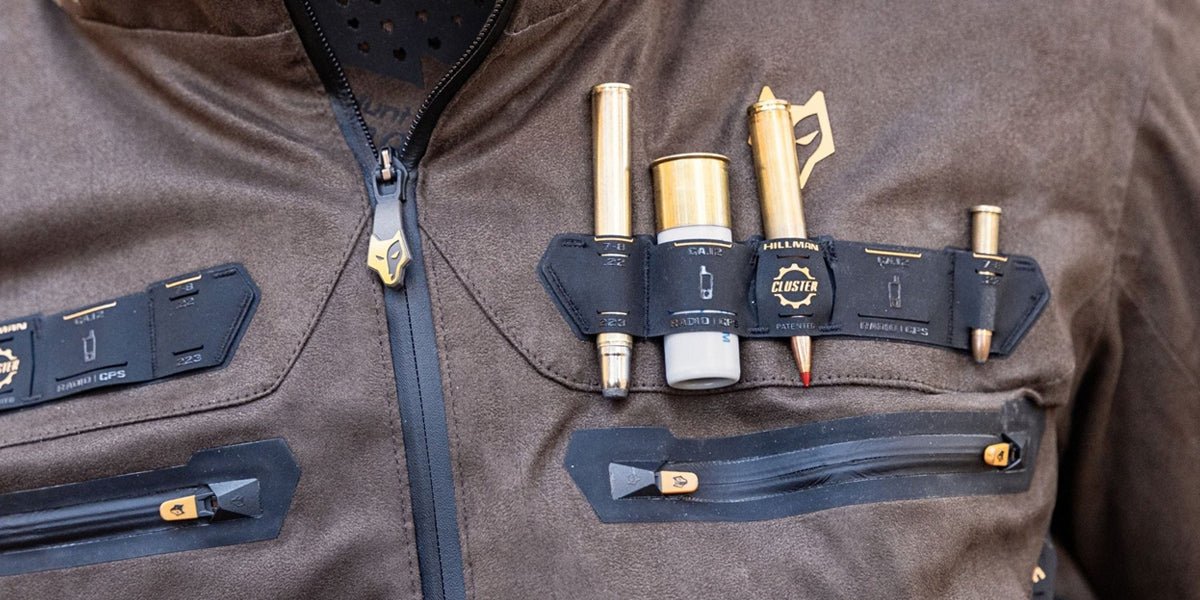
Noise often hides in details that feel too small to matter. Zippers touching metal. Accessories knocking against a backpack. Exposed parts on boots or gear catching sound at the wrong angle.

Simple changes help more than expected. Covering exposed metal with soft tape or felt dulls sharp noise. Adding silent-touch materials to stands reduces sound during setup and movement. Even small adjustments in how gear is wrapped or secured can change how quiet a setup feels.

Testing matters. Rubbing garments together. Listening to how fabric behaves while walking, sitting, or shifting weight. Quiet gear is rarely perfect straight out of the box. It becomes quiet through attention.

Movement, Rain, and Using the Environment to Your Advantage

quiet hunting clothing: silent pants, jackets, boots, backpacks, accessories with brushed fabrics

Sometimes silence comes from timing rather than equipment. Walking during or shortly after rain softens ground and cover, reducing sound naturally. Moist air carries noise differently, often working in the hunter’s favour.

Movement should follow the environment. Slower steps through dry cover. Controlled pace near brush. Knowing when to sit and when to move. Clothing supports this rhythm, but it cannot replace awareness.

Quiet hunting is a skill built from many small decisions. Gear supports it. Environment shapes it. Experience refines it.

Why Quiet Hunting Clothing Is a System, Not a Single Item?

quiet hunting clothing system with brushed fabrics

Silence never comes from one garment alone. Most hunters discover this over time. Quiet pants help, until a jacket tightens across the arms. Soft fabrics work, until a loose strap starts to move. Hunting boots, backpacks, accessories, everything plays a role once the hunt begins.

Quiet hunting clothing works as a system. One shaped by movement, temperature, moisture, and sound. When the system holds together, silence feels stable rather than fragile.

And when silence holds, attention shifts back to the hunt itself, not to the noise you might be making.

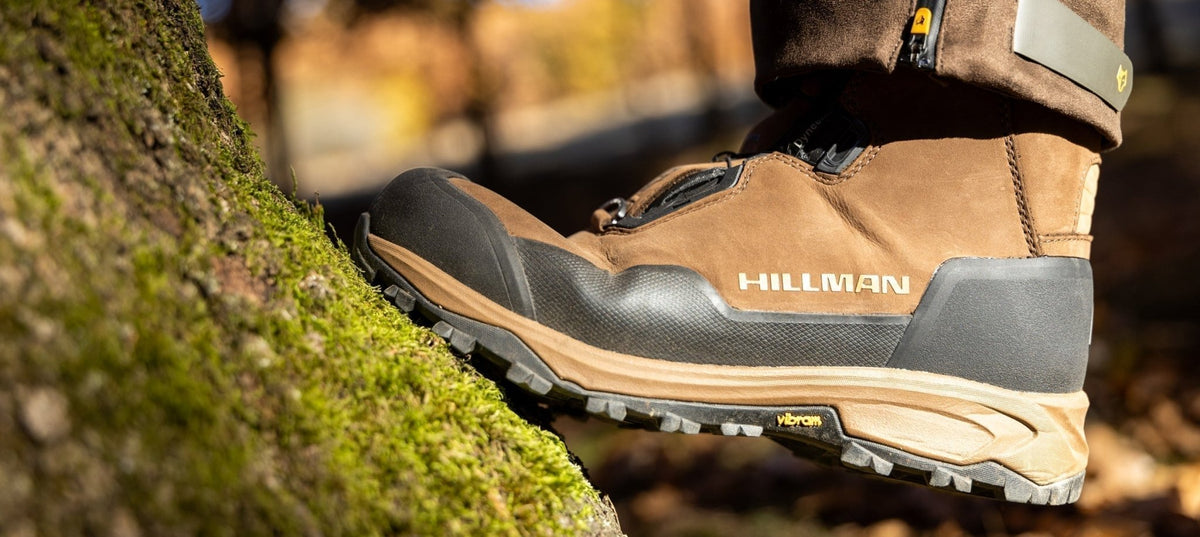
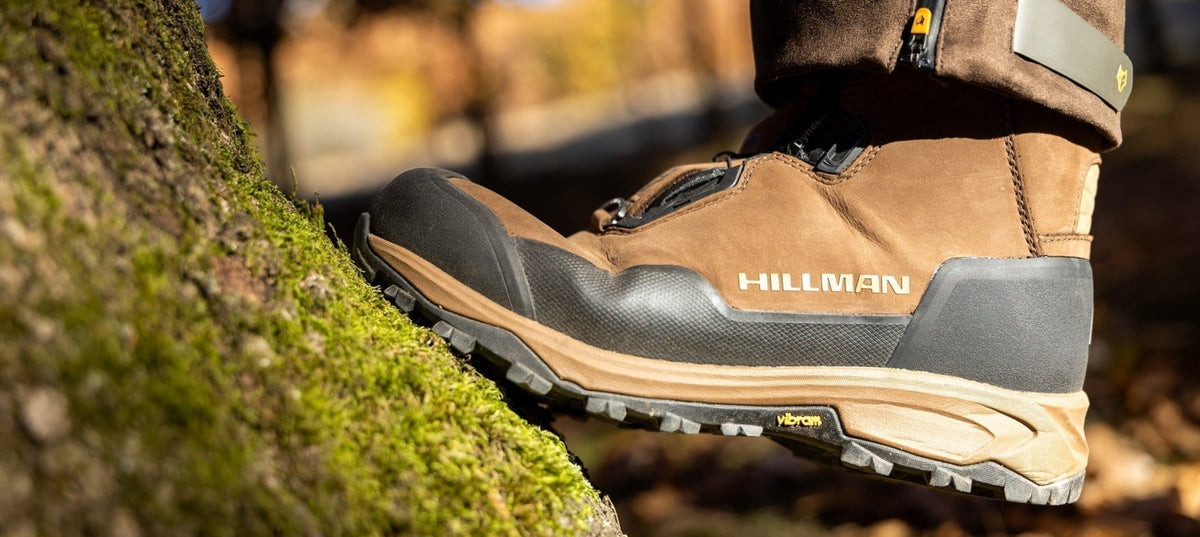
quiet hunting clothing around the world: silent soft-sole boots
Markus Holm
Author

Markus Holm

Expedition Hunter / International Field Specialist

Markus Holm writes about hunts where conditions change faster than the plan. Different terrain, unfamiliar species, poor weather, long approaches, missed signals from the field, these are the situations he is interested in. His work is less about perfect conditions and more about what hunters learn when the mountain, forest or weather does not cooperate.

Related blog posts

how to break in hunting boots, best socks to break in boots: waterproof, insulated boots leather

How to Break In Hunting Boots Before a Serious Hunting Trip?

Breaking in hunting boots is not about forcing stiff leather to soften overnight. It is about learning how the boots behave before rough ground, wet weather, and long hours start exposing problems. A proper break-in gives you time to sort heel movement, pressure points, socks, and support before the hunt becomes serious.

Read more

Best Hunting Rain Gear for Hunters (2025 guide) - Hunting Boots - Winter, Waterproof Gear | Men's Hunt Clothes

Best Hunting Rain Gear for Hunters (2026 guide)

The article reviews the best hunting rain gear for 2026, tailored for the unpredictable and often extreme weather conditions across the UK and EU. It emphasizes the importance of breathable, lightweight, quiet, and durable gear for different hunting styles and terrains. Hillman’s rainwear is highlighted as a top performer, outscoring competitors in versatility and weather resistance. The piece also offers practical tips on layering, gear maintenance, and choosing the right setup for woodland stalking, hill stalking, and driven shoots.

Read more

best hunting boots for mixed terrain guide: waterproof, insulated, hiking boots

Best Hunting Boots for Mixed Terrain Trips: One Pair or Two?

For mixed terrain hunts, there’s no perfect boot - only the one that stays stable, dry, and supportive as conditions change. One pair works if it’s versatile and reliable, but two pairs help in wet environments where drying time matters. In the end, fit, break-in, and real-world performance matter more than labels or categories.

Read more

how to choose hunting boots for unknown terrain & conditions: waterproof insulated footwear with reliable grip, ankle support, socks

How to Choose Hunting Boots for Unknown Ground Conditions

Choosing hunting boots for unknown ground is about balance rather than labels or reputation. When grip, fit, waterproofing, insulation, and support work together, boots fade into the background and allow natural movement as conditions change. The right pair keeps feet dry, stable, and comfortable over long hours, even when terrain and weather refuse to behave as expected.

Read more

lightweight hunting gear for frequent travel, layering system: breathable base layers, waterproof hunting jackets, accessories

Lightweight Hunting Gear for Hunters Who Travel Frequently

This piece explains why lightweight hunting gear matters for frequent travel, stressing that excess weight drains energy, slows movement, and disrupts focus. It highlights how adaptable, breathable, and packable clothing improves comfort in changing conditions and makes travel logistics easier. Ultimately, it argues that lightweight gear becomes a long-term investment because it reduces friction, simplifies decisions, and supports better performance in the field.

Read more

best hunting jackets for extreme temperature swings: insulated cold-weather jackets, waterproof warm weather jackets

The Best Hunting Jackets for Extreme Temperature Swings

Hunting in countries with volatile temperatures demands jackets that adapt as conditions swing from cold mornings to warm middays and back again. The best modern shooting jackets balance insulation, breathability, weather protection and movement without constant adjustment. Ultimately, versatility and fit matter more than any single feature, allowing hunters to stay focused on the field rather than the forecast.

Read more

hunting gear evolution: tradition and technology, leather, wool, waterproof boots, footwear, jackets

The Evolution of Hunting Gear: From Tradition to Technology

Hunting gear has evolved from heavy wool and leather into lightweight, technical equipment that improves comfort, safety, and performance in the field. While tradition once shaped clothing as much as function, modern materials now prioritise weather protection, mobility, and efficiency. Today’s hunters balance heritage and technology, adapting to changing conditions without losing respect for the sport’s roots.

Read more

hunting gear guide for international trip: clothes, bags, boots, accessories

Hunting Gear Guide: What to Pack for a Trip Abroad

Preparing for a hunting trip abroad is about packing trusted, practical gear that keeps you comfortable, focused, and ready for unfamiliar conditions. Prioritise reliable clothing, boots, optics, and simple field essentials over unnecessary extras. Thoughtful packing protects your energy, sharpens decision-making, and lets you enjoy the experience wherever you hunt.

Read more

best leather hunting boot

Best Leather Hunting Boot: Handcrafted for the Modern Hunter

The best leather hunting boots balance comfort, durability, and protection across any terrain or climate. Hillman’s handcrafted designs combine premium leather, waterproof membranes, and superior ankle support to keep hunters steady, warm, and dry through every season. Built for endurance rather than luxury, they turn harsh ground into steady footing and long hunts into lasting comfort.

Read more

most expensive hunting boots: not needed with Hillman

Most Expensive Hunting Boots vs Smart Design: Hillman's Approach

The most expensive hunting boots often sell image over innovation, but Hillman proves performance doesn’t need a luxury price tag. Built with smart design, breathable waterproof membranes, and superior ankle support, Hillman boots deliver warmth, grip, and comfort across the toughest terrain. For real hunters, they offer premium durability and protection at a fair, honest price: where smart engineering replaces unnecessary prestige.

Read more

tactical hunting boots: quality footwear for outdoor adventures

What Are Tactical Hunting Boots? Why Do Hunters Rely on Them?

Tactical hunting boots combine military-grade toughness with the comfort and flexibility hunters need in rough terrain and unpredictable weather. Built from durable leather and nylon with waterproof, breathable membranes, they offer superior grip, support, and all-day comfort. Reliable, protective, and long-lasting, they’ve become the go-to choice for hunters, law enforcement, and outdoor professionals alike.

Read more

hunting work boots for fields and forests

Hunting Work Boots Explained: Best Gear in Field and Forest

Hunting work boots are built for endurance, warmth, and grip, combining full-grain leather, insulation, and Dryhunt membranes to keep feet dry and supported in any terrain. They balance durability with comfort, providing stability, breathability, and protection whether you’re working the land or tracking game. In the end, they’re not just boots, they’re trusted companions built to carry hunters through every season and challenge.

Read more

FAQs

What actually makes hunting clothing quiet?

Fabric construction mostly. Brushed or textured surfaces absorb sound rather than reflecting it. Stiff materials crack and rasp when they flex. The fit matters too. Loose clothing shifts and rubs against itself with every movement. A well-fitted soft fabric stays quiet, almost regardless of how you move through cover.

Does quiet fabric matter more for some hunting than others?

Significantly more for woodland roe deer or red deer on the hill than for driven shooting, where you're standing in a peg. In dry October woodland, sound carries in ways that feel almost unfair. A sleeve catching a branch or a zip pulled at the wrong moment is enough. Roe deer and red deer in still woodland are listening as much as they're watching. The quieter the morning, the less margin you have.

Does moisture make clothing noisier?

Yes, and it's not something hunters always connect. Fabric that feels soft and quiet when you set out stiffens gradually as sweat builds up and cools against it. That stiffness creates noise. Clothing that moves moisture out rather than holding it stays softer and quieter through a full day, particularly when you're alternating between moving and standing still.

How do you actually test if your gear is too noisy?

Put it on and move around somewhere quiet. Walk a few steps, stop, shift your weight, crouch, raise your arms. Listen to what the fabric does rather than what you see. Rub sleeves together. Check zips and pocket closures. Noisy gear makes itself obvious immediately. Quiet gear barely registers.

Does camo pattern affect how quiet clothing is?

Not at all. Pattern is visual, fabric is acoustic. A perfectly matched camo in a stiff, rustling material is still a noisy jacket. The fabric construction is what controls sound. Colour and pattern are entirely separate considerations, and hunters sometimes spend time on one while ignoring the other completely.

Can small adjustments actually reduce noise in the field?

More than people think. Loose accessories rattling against each other, exposed metal on pack straps, a zip left half open, these small things add up on a quiet morning. Securing what moves, padding what contacts other gear, and checking how everything sits before you move off costs nothing and solves problems that better clothing can't.

Does quiet clothing change between seasons?

The goal stays the same, but the materials shift. Cold weather demands insulation, and some insulated fabrics are inherently stiffer and noisier than lighter alternatives. Summer and early season hunting in dry conditions is where fabric noise is most obvious because there's less ambient sound to cover it. The quietest setups for each season are different, but the principle of soft, fitted, brushed construction applies across all of them.