
How to Choose the Right Hunting Clothing for Your Climate

Find the best hunting clothing for your climate. Field-tested jackets, layers, and gear designed for comfort, durability, and real conditions.
You never forget the hunt that teaches you about the weather. Maybe it’s that grey November dawn when sleet slides down your collar while you’re glassing a far ridge. Or a humid September morning in the South when your shirt sticks to your back before sunrise and the mosquitoes hum like power lines. Somewhere between those two extremes, every hunter learns the same lesson: clothing matters more than you think.
The right hunting clothing isn’t fashion; it’s a survival system. When your body stays balanced, warm but not sweating, dry but still able to move, your focus sharpens. You last longer. You make better decisions. Out there, comfort equals endurance, and endurance decides everything.
Most of us learn the hard way. We start with something that looks fine in a catalogue and ends up soaked, stiff, or loud enough to scare deer two counties away. With time, you start reading weather like you read a sign. You think in layers, in breathability, in quiet fabrics that don’t betray you when you shift your weight on a frosted stand. That’s when you realise: good gear isn’t about price or pattern. It’s about how it performs when the wind changes.
Hunting Clothing and Climate: Knowing the Rules of Your Ground
 Just like Europe, every region of North America plays by its own rules. Down in the swamps and pine flats, humidity soaks everything by noon. Cotton turns against you there; once it’s wet, it stays that way. Up north, the wind feels alive, like it’s hunting you back. It finds gaps in zippers, cuffs, and even between layers you thought were sealed. And out west? You wake to frost, sweat through the climb, then feel the temperature drop forty degrees before dark. No single outfit handles all that.
What you can control is the regulation of heat, moisture, and movement. In warm climates, you chase airflow: thin shirts, quick-dry trousers, base layers that pull sweat away before it chills you. Cold country demands a system: a base that hugs and wicks, a mid-layer that traps heat without bulk, and a shell that blocks the wind but lets the steam out. In unpredictable weather, versatility wins every time. Zippers that vent. Sleeves that roll. Jackets that adjust as easily as your plan does when the deer slip downwind.
There’s no magic formula, only practice. Season after season, you build a setup that fits your body, your terrain, and your rhythm. It becomes instinct, as natural as checking the wind.
Hunting Jackets: Your Outer Shell of Trust
 Ask any seasoned hunter about the piece of clothing they’d never gamble on, and nine times out of ten, they’ll name their jacket. It’s the layer that takes the hit, from rain, brush, or the gust that slices across open country when the sun drops. A good hunting jacket shields you from all that without reminding you it’s there.
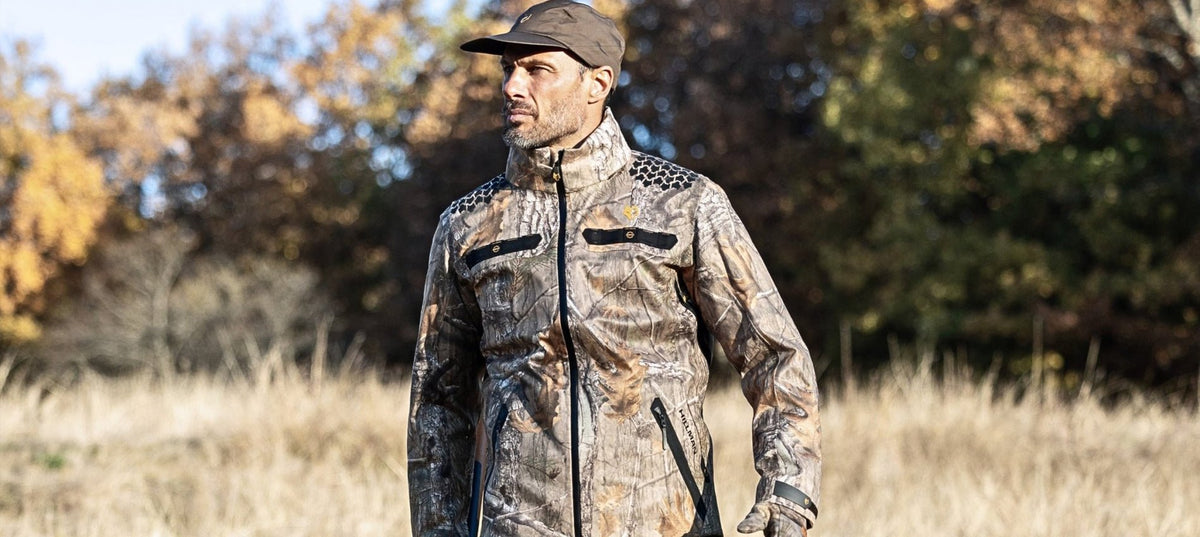
Active hunts demand freedom. If you’re climbing ridges after elk or pushing through cattails for ducks, heavy insulation turns into punishment. You need a shell that breathes, moves, and stays quiet when branches scrape by. The sound of fabric matters more than most folks admit. A harsh rustle at twenty yards can undo hours of patience.
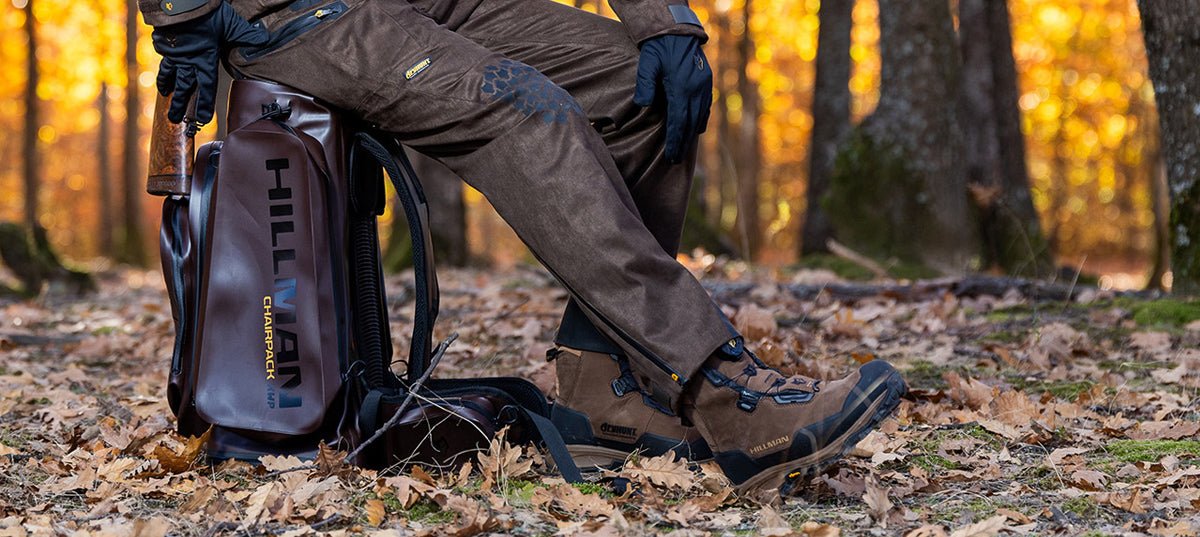
For still hunts, everything reverses. In a tree stand or a ground blind, warmth outranks agility. Weight isn’t the enemy; cold is. Then you look for sealed cuffs, weatherproof seams, and a hood that moves with your head instead of fighting it. The jacket becomes a small shelter you wear, a piece of calm when the temperature keeps dropping.
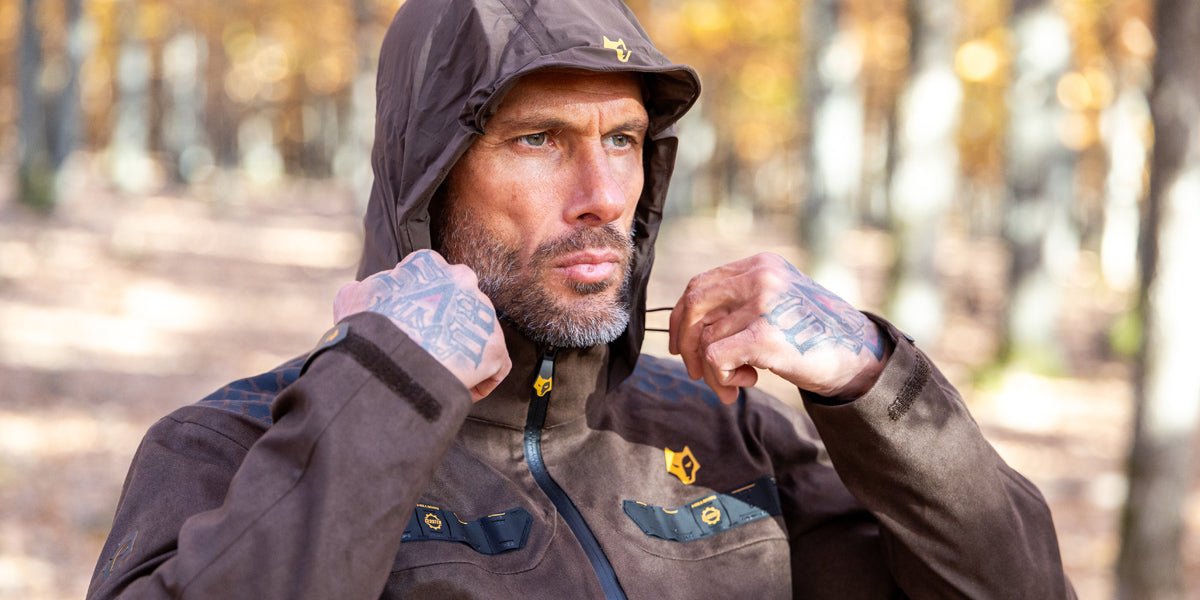
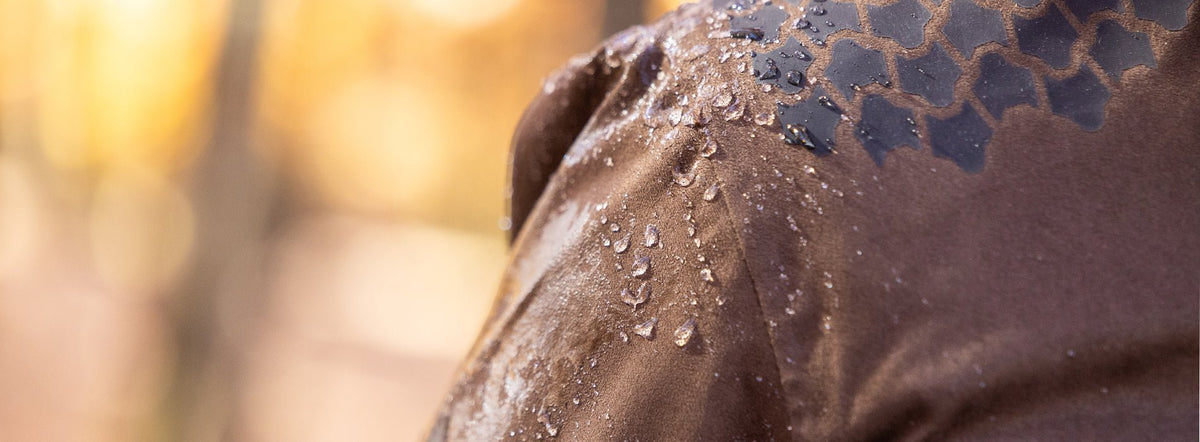
Modern materials blur the old lines between comfort and protection. Soft-shell hybrids flex like cloth but shed rain like nylon. Breathable membranes vent heat yet stop wind dead. The technology’s impressive, sure, but the real measure comes in silence and endurance. The best jacket is the one you forget about halfway through the hunt, because it’s doing everything it should.
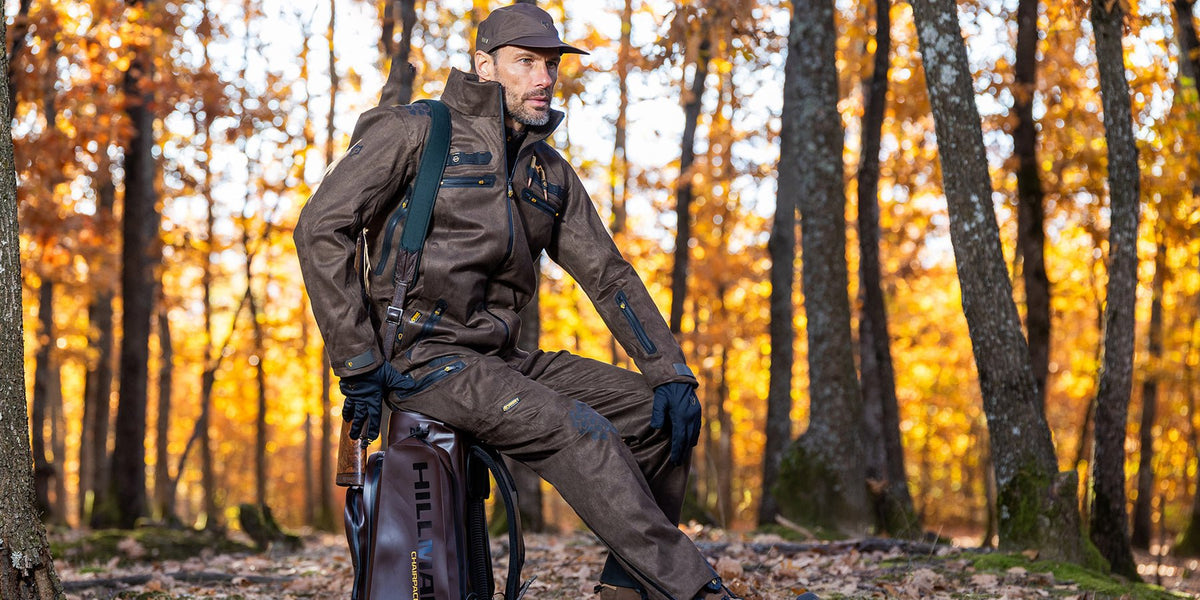
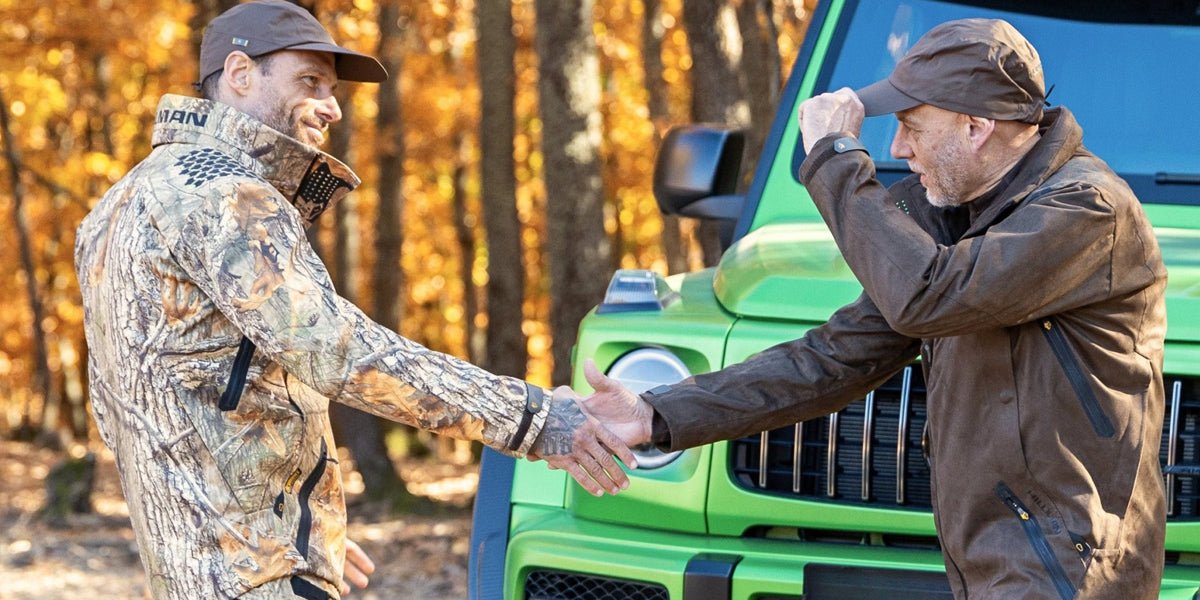
There’s something special about Deerhunter clothing that gets it right. It’s where craftsmanship meets field sense. You can tell when a designer’s spent time outdoors, you see it in the cut of the shoulders, the quiet of the fabric, the pockets that fall right under your hands. The old tweed waistcoats and wool trousers from another era still whisper through the modern versions. Tradition isn’t gone; it’s just been re-stitched for the hunter who hikes ten miles before sunrise.
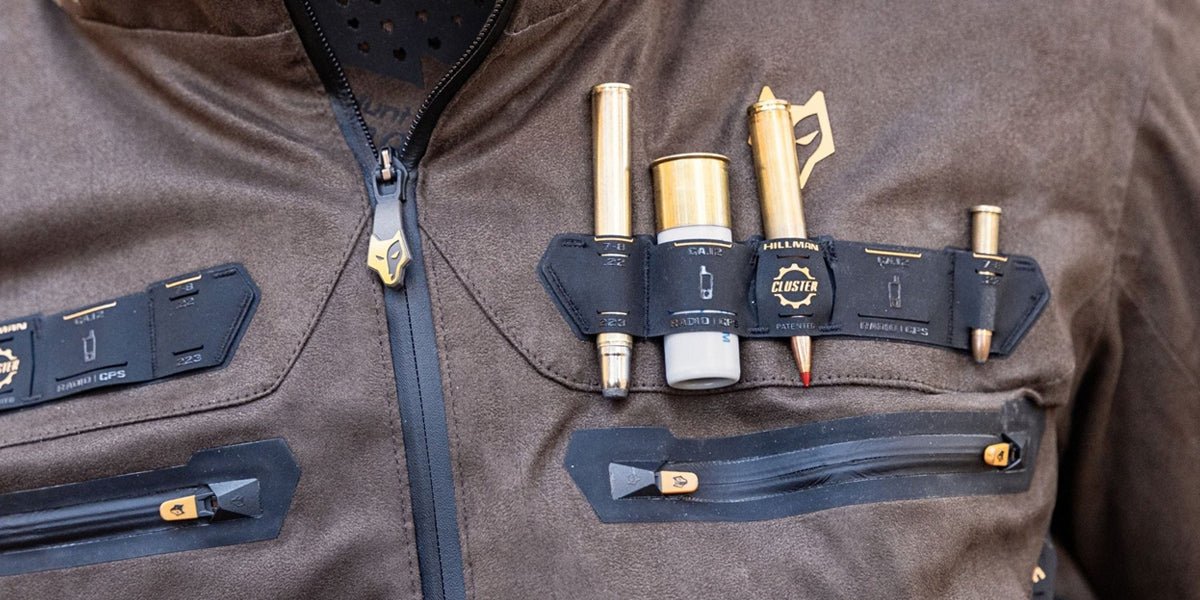
And while Deerhunter builds from history and skilled craftsmanship, Hillman pushes further into innovation and real-world testing: focusing on advanced materials, technical design, and problem-solving features developed directly from field experience.
A good jacket should give you space to draw or shoulder a rifle without dragging. Trousers ought to flex at the knee and seat, tough enough to kneel on cold ground but never stiff. The waistcoat or vest warms your core without trapping heat. These aren’t luxuries; they’re refinements that keep you focused when fatigue tries to creep in. Field testing always tells the truth, seams either hold or they don’t, and quiet fabrics either stay silent or betray you in a heartbeat.
That’s the beauty of the right deerhunter setup: it feels like it’s been broken in for years on the very first day you wear it.
Shooting Clothing: Details that Decide the Day
 Every serious shooter learns that the smallest comfort can shape the biggest result. Shooting clothing isn’t only about protection from recoil or weather; it’s about rhythm. When a sleeve binds or a seam rubs wrong, you notice it just as the bird flushes. That split-second distraction is enough.
The good gear moves with you. Cotton-blend shirts breathe in the heat of summer practice sessions, while soft-shell waistcoats guard against cold crosswinds in late autumn. The balance is subtle, structure where you need it, flexibility everywhere else. You should never feel the fabric; you should feel the shot.
Gloves, hats, beanies, gaiters, they all play their quiet part. A glove that fits like skin gives you trigger feel without freezing your hands. A soft brim cuts glare on a bright morning. Each piece works together until the gear disappears, leaving only focus. That’s when clothing stops being equipment and becomes instinct.
Hillman’s Perspective: Built by the Weather Itself
 At Hillman, design begins in the same places our customers hunt: soaked timber, open prairie, snowy ridges. Every item starts with a question asked under bad conditions: Will it hold up? If the zipper jams with mud, it’s replaced. If a pocket sits wrong when you raise your rifle, it moves. We test until there’s nothing left to fix.
Hunters across North America and Europe put each prototype through the kind of punishment no lab can mimic. From the Arkansas marsh to the Montana ridge, the clothing has to earn its place. It’s not about creating another line of hunting jackets or trousers; it’s about solving the small annoyances that wear you down after hours in the field. A quiet cuff, a stronger hem, a vent that releases steam without losing heat, those are victories that come one mistake at a time.
Our principle stays simple: clothing should serve the hunt, never distract from it. Hillman builds for those who stay out when the sky turns ugly, who believe good gear isn’t fancy, it’s faithful.
Fabrics that Make or Break a Hunt
 Hunters talk about calibers and optics, but fabrics? They matter just as much. Anyone who’s sat shivering in a damp jacket knows that comfort isn’t a luxury, it’s a tool.
Synthetics like polyester and nylon manage moisture better than anything else. They wick, they dry fast, and they weigh almost nothing, perfect for long hikes or high-energy hunts. Wool holds its crown for cold, wet days, keeping warmth even when soaked. Soft-shells bridge the two worlds, tough on the outside, forgiving on the inside. And for those who still love heritage style, tweed and wool blends carry that classic look without surrendering warmth or silence.
Mixing materials is where the magic happens. A synthetic shell lined with wool gives both protection and natural heat. Trousers that blend stretch with reinforcement let you crawl through rocks and briars without hesitation. Forget trends. Function is the only fashion that lasts in the field.
What Experience Teaches: The Quiet Lessons

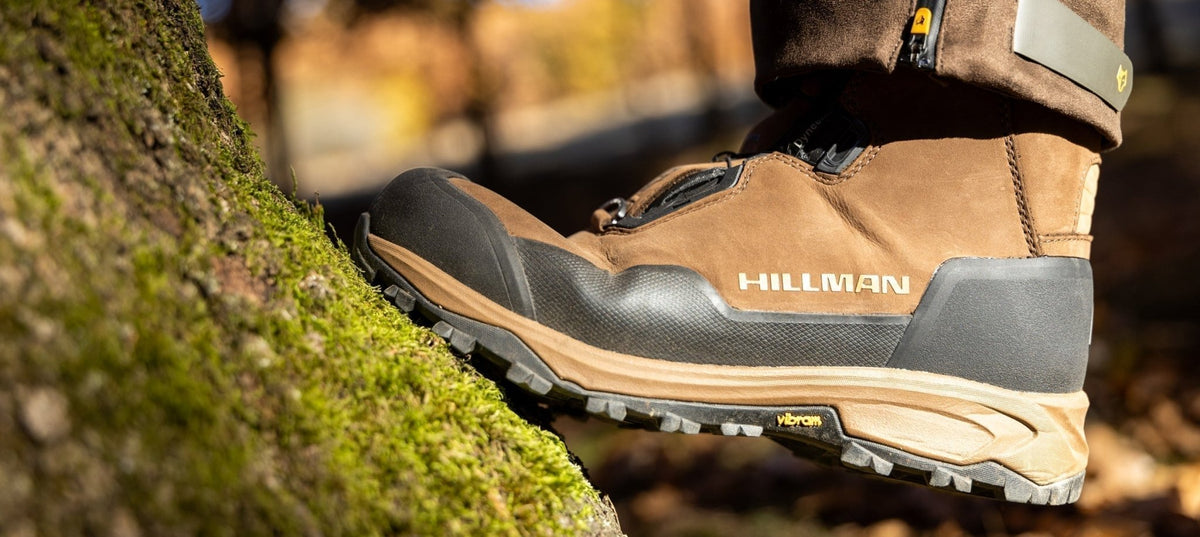
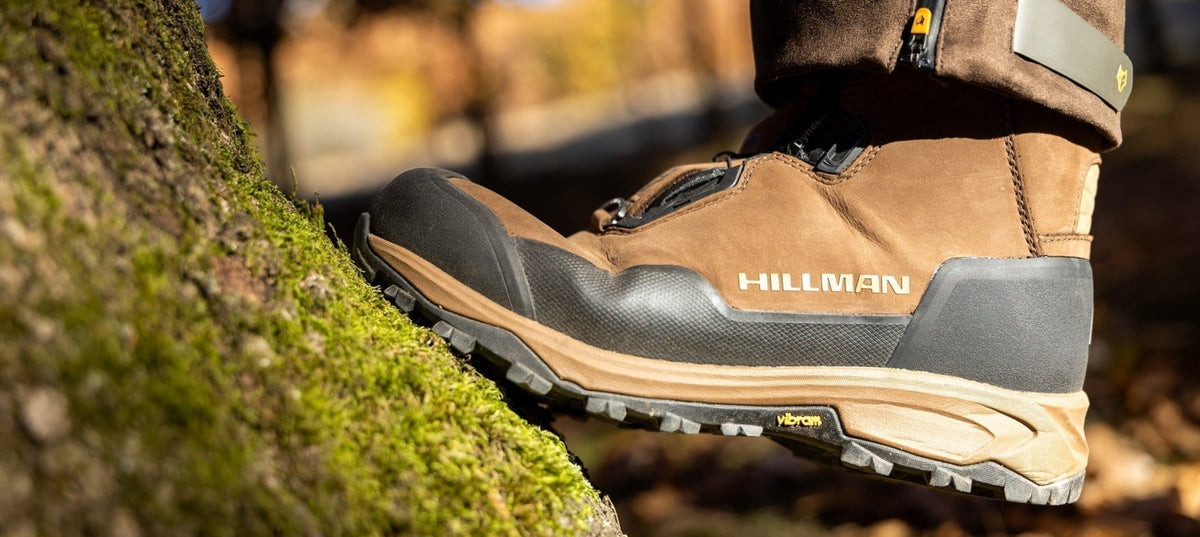
After enough seasons, patterns appear. You learn not to overdress, no matter how cold the truck feels at dawn, because sweat is the enemy. You keep your hands and feet dry above all else; once they go numb, your focus follows. You start carrying one dry shirt wrapped in plastic because you’ve been caught before. And you know to fix small discomforts early, a rubbing seam, a loose strap, because they always get worse miles later.
Experience writes its own manual. Every mistake leaves a note in your head for next year. The first time your gear fails, it’s frustrating. The second time, it’s your fault. By the third, you’ve adjusted, and the hunt goes smoother. That’s how outdoor wisdom builds: one misstep, one fix, one quiet victory at a time.
In the End, It’s About the Hunt

Choosing the right gear is part of every true hunting experience. Hillman’s extensive collection is built to keep every hunter covered, men’s and women’s designs that bring comfort, movement, and protection into balance. Each item in the range reflects the company’s belief that clothing is both practical and an art, crafted to offer durability without losing feel. From trousers and jackets to accessories tested in the harshest conditions, there’s room in every piece for freedom and precision. It’s gear designed to give you the best chance to stay focused and enjoy the hunt, no matter what the day offers.
Once you know your terrain, you stop guessing. You grab the right layers by instinct, dress by feel instead of forecast. And when the moment comes, when the wind shifts, the light fades, and the shot presents itself, your clothing fades from thought entirely. That’s when you know you chose right.
 Explore the Hillman USA collection built for real conditions, gear tested by hunters who stay out a little longer, no matter what the weather has to say.


Share: