
Top Picks: Best Roe and Red Deer Hunting Boots for Every Terrain
Looking for the best roe and red deer hunting boots for your next hunting trip? This guide will show you top picks for different conditions, ensuring your feet stay comfortable and supported during your hunt.
Key Takeaways
-
Selecting roe and red deer hunting boots requires careful consideration of fit, insulation, waterproofing, and ankle support to ensure comfort and performance in rugged terrains.
-
Top recommendations include the Hillman Alpha Aerogel 2.0 for extreme conditions, Kenetrek Mountain Extreme 400 for overall durability, LaCrosse Lodestar for comfort in spring, and Irish Setter Elk Tracker 860 for cold-weather hunting.
-
Other top recommendations include Crispi boots for their excellent waterproofing and comfort, and Kenetrek boots for their durability and support in rough terrains.
-
Proper maintenance, including cleaning, conditioning, and resoling, is vital for extending the life and functionality of roe and red deer hunting boots.
Testing Methodology for Roe and Red Deer Hunting Boots

Selecting the proper boots for roe and red deer hunting is essential to ensure a successful and enjoyable hunt. The ideal pair of hunting boots, including mountain boots, should be capable of withstanding harsh terrain, fluctuating weather conditions, and extensive durations spent on foot. In our evaluations, we emphasize critical features such as fit quality, thermal insulation capabilities, resistance to water infiltration, and sustained comfort over long periods. Boots with more ankle support are especially beneficial for navigating steep terrains and carrying heavier loads. Inappropriate footwear can lead to discomfort like blisters or soreness in the feet that could otherwise spoil an impeccably planned hunting expedition.
Our examination covered a spectrum of boot prices. Findings suggest that while higher-priced options often deliver superior durability and performance, investment in boots within the $350-500 range typically proves prudent due to their potential for several years of serviceability, which appeals particularly to avid hunters.
In light of these considerations, we present our foremost recommendations for waterproof boots tailored according to these specific benchmarks.
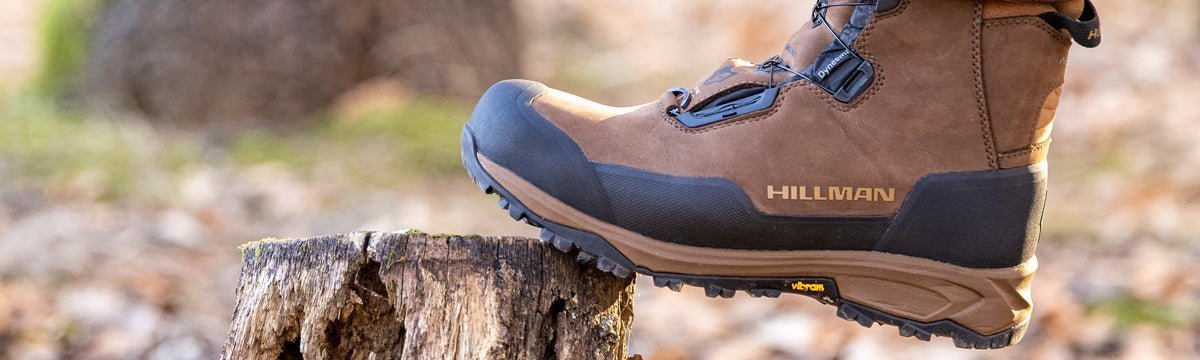
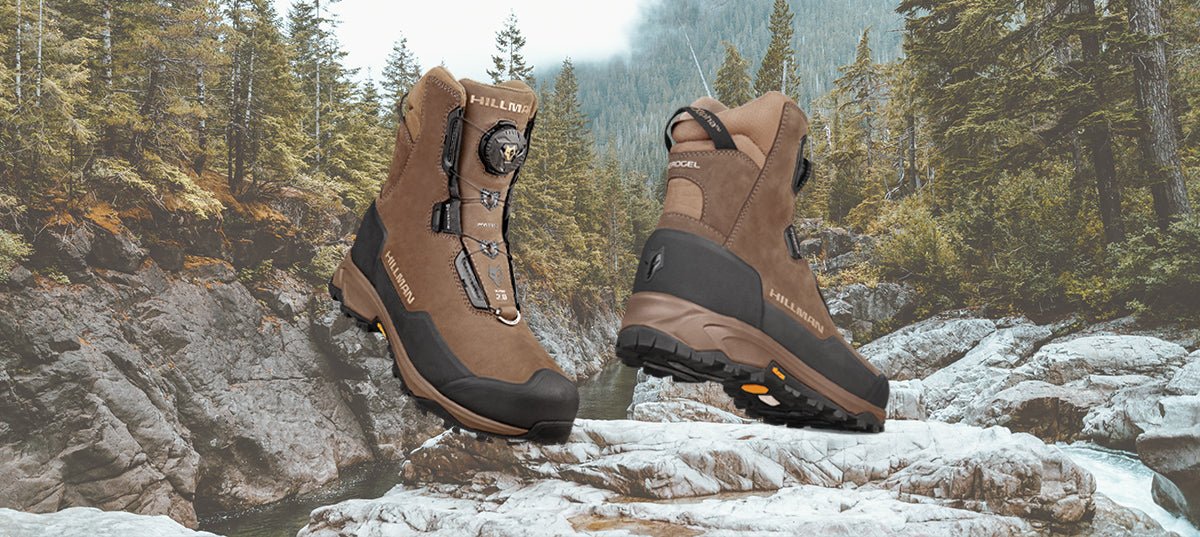
The Winner: Hillman Alpha Aerogel 2.0

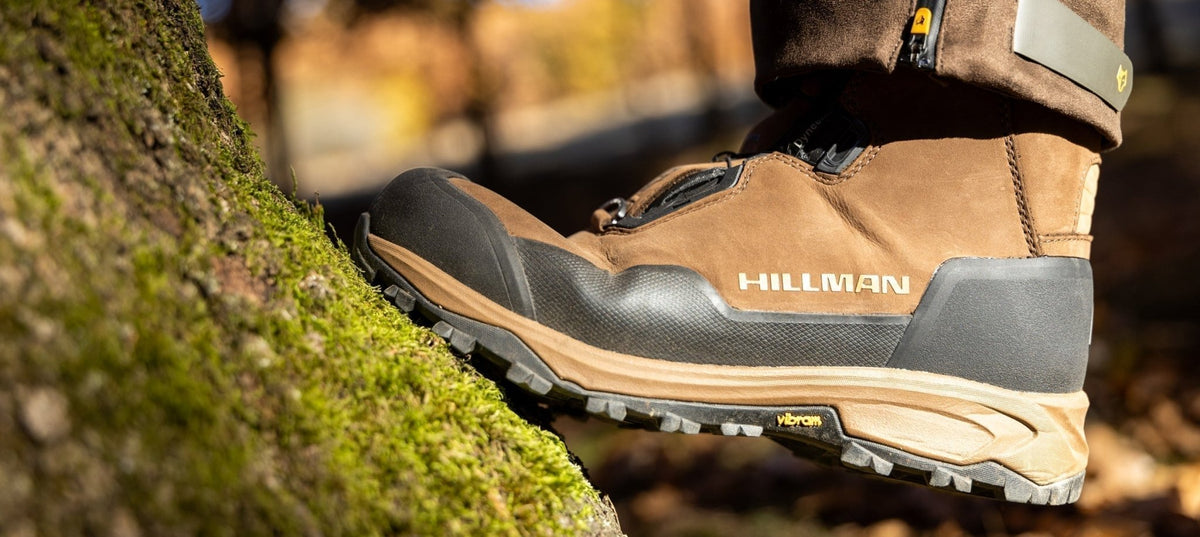
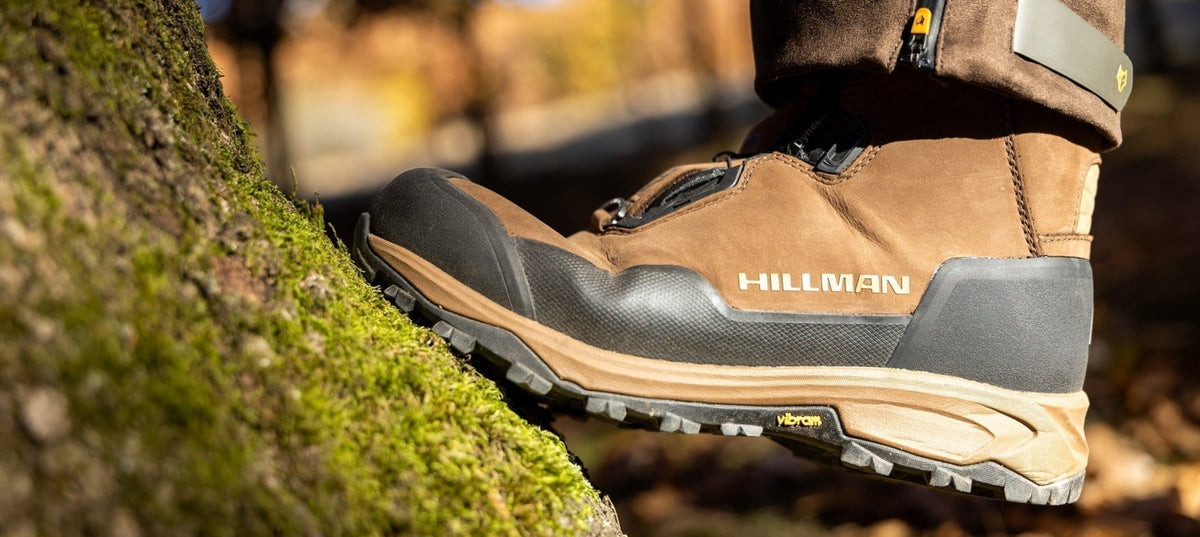
The Hillman Alpha Aerogel 2.0 stands as the premier selection for roe and red deer hunters who brave harsh and mountainous environments. Crafted to excel amidst rugged, frosty landscapes, these boots are equipped with top-tier Aerogel insulation from NASA technology, ensuring warmth down to -22°F without increasing weight significantly. Despite their robust insulation properties, they remain impressively lightweight at just 1.3 pounds each and feature a Vibram® midsole capable of absorbing shock efficiently - this allows hunters to traverse extensive distances more comfortably.
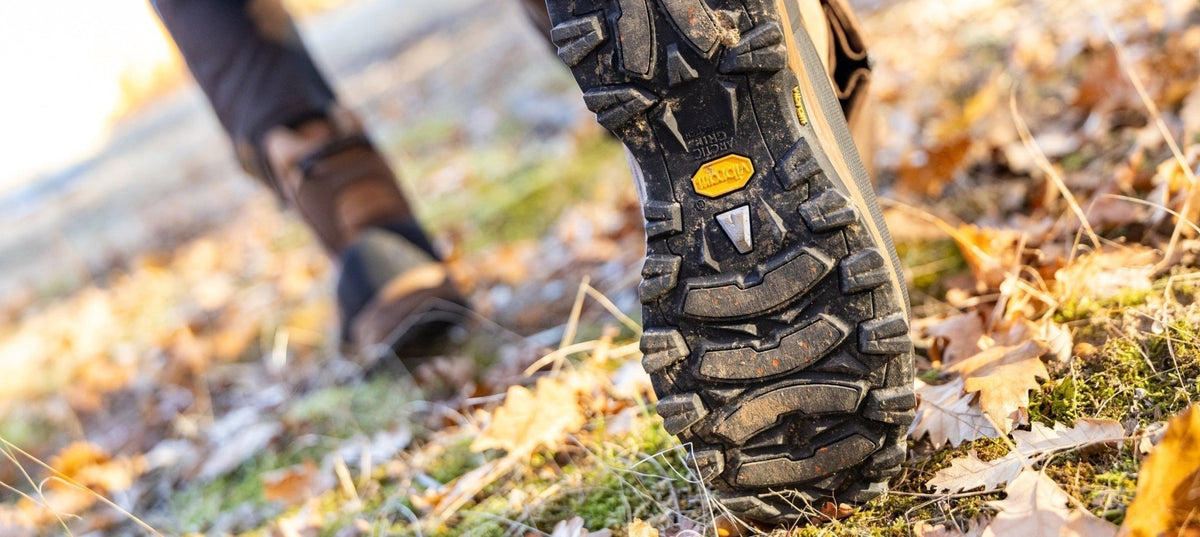
These features make them an excellent choice for a winter hunt where extreme cold is a concern. Incorporating Dryhunt® nanomembrane technology into its design ensures that the Hillman Alpha Aerogel 2.0 offers superior waterproofing alongside breathability features designed specifically to maintain dryness within your boots throughout the hunt’s duration. The outsoles boast Vibram® ARCTIC GRIPTM functionality for reliable footing across ice-covered or rough terrains while providing strong ankle support courtesy of Dyneema®-enforced tongues coupled with an indestructible FREELOCK® lacing system straight from the packaging.
Combining all these attributes places the Hillman Alpha Aerogel 2.0 in high esteem among hunter gear choices when confronted with demanding expeditions where keeping feet warm, protected, and supported is crucial for success in tracking down elusive deer under extreme conditions.
Best Overall: Kenetrek Mountain Extreme 400
Our top pick for the best overall roe and red deer hunting boot is the Kenetrek Mountain Extreme 400, renowned for its robustness and premium build. These boots come equipped with a Windtex waterproof barrier and are insulated with 400 grams of insulation, guaranteeing both water resistance and ample warmth. Their insulation and durability make them ideal for autumn and winter hunts in cold and challenging conditions. Designed to provide exceptional ankle support, they ensure a stable footing on rough and inclined landscapes typical in deer hunting scenarios.
Featuring the aggressive K-talon outsole, these boots excel in grip across challenging terrains that hunters often encounter during their pursuit of roe and red deer. The Kenetrek Mountain Extreme 400 impresses with immediate comfort upon first use and necessitates only a minimal break-in period. This makes them an excellent choice for those who prioritize a mix of ease-of-wear, resilience, and functionality in their hunting footwear choices.
Best for Spring Hunts: LaCrosse Lodestar
For roe and red deer hunting in spring, it’s essential that hunters choose boots designed for both comfort and an excellent fit. The LaCrosse Lodestar excels in meeting these criteria, ensuring that hunters can endure extended periods outdoors with ease. Thanks to their Gore-Tex breathable liner, they also keep feet dry and comfortable throughout vigorous hunts.
On the other hand, while the LaCrosse Lodestar is crafted to be lightweight for increased hunter agility, there may be some worries about how well they withstand tough terrain over time. Nevertheless, their superior comfort and snug fit establish them as a preferred option among hunters who are specifically geared towards pursuits in spring.
Best for Cold Weather: Irish Setter Elk Tracker 860
As the mercury plummets, you’ll be grateful to have Irish Setter Elk Tracker 860 boots encasing your feet. Equipped with a hefty 1,000 grams of insulation, these boots are committed to ensuring that your feet remain toastily warm even when subjected to freezing climates. Tailored specifically for chilly environments, they deliver both the warmth and comfort required for hunting elk or deer during the tail end of the autumn and winter.
Featuring a high-top design, these Irish Setter Elk Tracker 860 boots also provide critical ankle support necessary for traversing challenging terrains often encountered in roe and red deer hunting. Constructed with durability in mind, they are adept at enduring some of the most severe weather conditions one might face during cold-weather hunts, making them an essential asset for hunters braving such elements.
Key Factors in Choosing Roe & Red Deer Hunting Boots

When choosing roe and red deer hunting boots, it’s essential to account for multiple key considerations. Ensuring a proper fit is paramount. Ill-fitting boots can lead to discomfort and blisters that could spoil the hunt. Hunters need to assess their approach to hunting, expected terrain types, and regional weather patterns when picking out their footwear because unsuitable or subpar shoes might precipitate life-threatening situations in remote wilderness areas.
For spring and summer hunts, an uninsulated boot might be more appropriate to keep feet cool while hiking. Boots designed for top-notch comfort and functionality are crucial, especially when facing demanding landscapes and unpredictable climatic conditions during a roe and red deer hunt. Important attributes such as insulation for warmth, waterproofing against moisture, and strong ankle support are critical features that enable these boots to meet the rigorous challenges presented by pursuing deer. Especially suitable for spring hunts are the Alpha Dryhunt 2.0 hunting boots by Hillman. With their efficient but minimal insulation, they are super lightweight and comfortable.
Insulation Levels
Insulation levels in a great boot vary with the season and expected weather conditions. Lightweight or uninsulated boots might suffice for spring and summer hunts, while heavily insulated boots are necessary for colder temperatures.
The right insulation impacts both mobility and comfort during long treks.
Waterproofing
Waterproofing is crucial to keep feet dry, especially in wet or muddy conditions. Technologies like Gore-Tex enhance waterproofing while maintaining breathability in expensive boots. Premium leather also helps keep your feet dry during hunts.
Fit and Break-in Period
A proper fit is essential for long wear, preventing discomfort and blisters. High-quality leather boots may need a break-in period, ideally around 100 miles, to ensure comfort.
Gradual break-in helps avoid foot sores and ensures a proper fit during your trip outdoors.
Durability and Materials

The resilience of roe and red deer hunting boots is paramount, as they need to endure challenging landscapes and the load of equipment. Compared to other boots, those made with full-grain leather and synthetic fabrics offer superior durability and performance. Full-grain leather is esteemed for its robustness and ability to resist deterioration, which is why it’s a top selection among numerous hunters. The fusion of leather with synthetic fabrics can amplify this durability while also providing perks such as increased air circulation.
The composition of materials in hunting boots profoundly affects their endurance and effectiveness. Superior quality leather paired with impermeable layers like GORE-TEX® ensures that the boots remain dry even amidst damp conditions, while sturdy rubberized EVA midsoles contribute added comfort and absorb impact throughout extensive treks.
Full-Grain Leather vs. Synthetic Options
Full-grain leather is considered the best for outdoor and hiking boots due to its durability and natural waterproofing properties. It offers superior support and protection in rocky conditions compared to synthetic materials.
However, synthetic options offer better breathability and are generally lighter, making them suitable for any outdoor experience.
Sole Construction
For a successful roe and red deer hunt, the hunting boots you choose are pivotal as they must safeguard your feet with their semi-stiff and thick soles designed for shock absorption, stability, and traction in challenging terrain. Boots equipped with features such as K-talon outsoles can enhance grip across different surfaces to maintain stability throughout the deer hunting expedition.
Specialized Features for Roe & Red Deer Hunters

Roe and red deer hunting boots often include specialized features that enhance performance and safety during hunts. Ankle support is essential for stability on uneven terrain and for preventing injuries. Breathability is also important, keeping your feet dry and comfortable during long hikes. Customization options, like size adjustments and personalized arch support, significantly improve the fit and comfort of your boots. When purchasing hunting boots online, ensure the website employs a security service to protect your personal information.
These features ensure your footwear can handle roe or red deer hunting demands, allowing you to hike effectively and focus on the hunt. A robust security solution can safeguard against online attacks, ensuring a safe shopping experience.
Ankle Support
During roe and red deer hunts, maintaining stability and preventing injuries on uneven terrain is crucial, which is facilitated by ankle support. Boots featuring rigid collars, such as Nicks Boots, provide additional ankle support that can lead to improved performance while also minimizing the likelihood of sprains and other related injuries.
Breathability
Deer hunting boots crafted from breathable materials facilitate air flow, ensuring that feet remain dry and comfortable throughout extended treks. Such breathability aids in maintaining the temperature of the foot and wards off moisture accumulation, thereby minimizing fatigue and discomfort during roe and red deer hunting excursions.
Customization Options
To secure a perfect fit for roe or red deer hunting boots, which is vital for comfort and performance during extended periods of hunting, customization features such as size tweaks and tailored arch support are crucial. Nick's Boots provides these customizable options to accommodate the unique shapes of individuals’ feet, ensuring an ideal match in your hunting gear.
Recommendations Based on Foot Type

Choosing the appropriate boots for roe and red deer hunting, tailored to your foot shape, can greatly enhance comfort and efficacy. Boots with customizable insole choices provide personalized arch support suited to various foot contours, which is essential for maintaining a proper fit during extended hunts, thereby averting unease and boosting overall prowess. If you encounter issues accessing a website to purchase boots, providing the Cloudflare Ray ID can help resolve the problem.
Personalized guidance according to the type of your feet assists you in discovering the most comfortable and supportive hunting boots that cater specifically to your requirements, enabling you to remain concentrated and proficient throughout your roe or red deer hunting endeavors. In case of a blockage, contact the site owner with the Cloudflare Ray ID found to help them understand and resolve the issue.
Best for Wide Feet: Danner Pronghorn
Hunters with wide feet will find Danner Pronghorn boots to be an outstanding selection. These boots come with a wider toe box and flexible fit, guaranteeing comfort right from the initial wear. They also have a supportive arch design specifically suited for broad foot contours, rendering them a reliable choice for hunters who require footwear that accommodates wider feet.
Best for Narrow Feet: Zamberlan 981 Wasatch GTX RR
The Zamberlan 981 Wasatch GTX RR boots offer a secure and comfortable fit specifically designed for individuals with narrow feet, ensuring stability when traversing uneven terrain. Their sleek construction delivers the required support and comfort needed during hunting excursions on challenging terrain.
Practical Tips for Maintaining Your Deer Hunting Boots

It is crucial to maintain your deer hunting boots properly if you want to prolong their usability and maintain their effectiveness in tough environments. By routinely cleaning and conditioning them, the longevity of your hunting boots will be significantly improved, readying them for several seasons of successful roe or red deer hunts. Being knowledgeable about resoling and fixing your boots can also prevent the need for continuous replacements.
To keep your hunting footwear in top shape, it’s important to utilize proper cleaning agents and conditioners that are suitable for the materials they’re made from. This helps sustain their resilience against wear while keeping them supple enough to handle demanding outdoor conditions during your deer hunts.
Cleaning and Conditioning
After each hunt, clean your boots by removing dirt and mud to prevent damage. For leather boots, use saddle soap and water to clean the exterior, followed by conditioning with products like mink oil to maintain flexibility and prevent drying.
For synthetic boots, brush off dirt and use a soft cloth with warm water and mild detergent, maintaining any water-resistant coatings.
Resoling and Repairs
Having your boots resoled can greatly prolong their usefulness, which is essential for maintaining the support and protection required during roe and red deer hunting. When the outsoles of high-quality boots are worn down but the upper sections are still in good condition, professional resoling can restore them effectively.
For small-scale fixes such as repairing seams or patching up punctures, it’s possible to use specific boot repair glues that help prevent additional deterioration.
Summary

Choosing the right roe and red deer hunting boots is essential for a successful and enjoyable hunting experience. From our top picks, including the Hillman Alpha Aerogel 2.0 for extreme conditions and the Kenetrek Mountain Extreme 400 for overall performance, to specialized options like the LaCrosse Lodestar for spring hunts and the Irish Setter Elk Tracker 860 for cold weather, there’s a boot for every hunter and every situation. Remember, the key factors in selecting the best deer hunting boots include fit, insulation, waterproofing, and specialized features like ankle support and breathability.
Maintaining your boots through regular cleaning, conditioning, and resoling will ensure they last for many seasons. By considering your foot type and the specific demands of your hunting trips, you can find the perfect pair of boots to keep you comfortable and supported in the field. Equip yourself with the right boots, and you’ll be ready to tackle any terrain and weather conditions that come your way. Happy hunting!


Share: