
If you travel to hunt, you already know how quickly heavy gear can wear you down. Extra weight slows movement, burns energy, and makes it harder to stay sharp. Lightweight apparel fixes that: breathable, adaptable, and easy to pack for changing conditions. It’s a small shift with a big payoff in performance and long-term comfort.

Lightweight Gear for Hunters Who Travel Frequently
For hunters who travel often, gear choices stop being a matter of preference and become a matter of strategy. Every trip presents a unique combination of terrain, climate, regulations, and logistical constraints. Airports impose weight restrictions. Remote hunting areas demand self-sufficiency. Weather shifts faster than forecasts can predict. In this reality, carrying more gear does not always mean being better prepared.
A practical guide to lightweight hunting gear for frequent travel. Discover how smart clothing choices improve comfort, mobility, and focus in the field.
Lightweight hunting gear has emerged not as a trend, but as a response to how modern hunters actually move through the great outdoors. The goal is no longer to pack for every possible scenario, but to choose equipment that adapts. When weight, durability, and versatility work together, hunters gain freedom of movement, sharper focus, and a more controlled hunting experience, whгether stalking game across open ground or navigating dense cover in adverse weather conditions.

Why lightweight hunting gear matters when you travel?
You start noticing weight long before it becomes painful. It is there when you step off the road and onto uneven ground, when your breathing changes slightly on an incline, or when you realise you are adjusting your pace without consciously deciding to slow down. Travelling for hunting has a way of exposing these details early, especially when the trip involves unfamiliar terrain and long hours on the move. What looked fine when packed suddenly feels excessive once the hunt actually begins.
Moving through varied terrain with a heavy setup rarely feels natural. Every extra item shifts the balance just enough to demand attention, and attention is something you cannot afford to waste. Hunters who carry less tend to flow with the landscape rather than react to it. Their steps are quieter, their movements more deliberate, and their energy lasts longer than expected. This does not come from fitness alone, but from removing friction between the body and the environment.
Conditions add another layer of pressure. Early-season hunts often begin in cool air that disappears quickly once movement starts, and warm weather can arrive sooner than predicted. Add wind or sudden rain, and bulky gear becomes something you work around instead of working with. Lightweight equipment behaves differently. It allows small adjustments instead of full changes, encourages layering rather than replacement, and keeps the hunter moving instead of stopping to manage clothing.
There is also a quieter benefit that shows up over time. When your pack is not filled with extra gear you “might need,” your thinking becomes simpler. You stop second-guessing decisions, you know exactly where things are, and fatigue builds more slowly across the day. Focus stays intact longer, which matters when patience and timing decide the outcome of a hunt. A lightweight approach is not about compromise. It is about choosing gear that supports movement, preserves attention, and disappears into the background once the hunt demands everything you have.

Choosing the right hunting gear for frequent trips
After a few hunting trips that involve real travel, packing starts to feel different. You stop laying everything out with the idea of being prepared for every scenario and start asking quieter questions instead. What do I actually reach for during the day? What stays at the bottom of the bag untouched? What feels useful in the morning but becomes annoying by afternoon?
Gear choices tend to expose themselves slowly. Something that looks sensible at home begins to feel awkward once you are walking for hours, climbing over uneven ground, or stopping and starting more often than planned. Extra items rarely fail all at once. They simply add friction. Space disappears faster, weight shifts in ways you did not expect, and small tasks take longer because the bag is cluttered with things that sounded useful when packed.
There is also a pattern to what gets overlooked. Gloves are easy to forget until the air turns cooler than expected. Socks feel like a minor detail until feet stay damp for too long. Small, practical items are often missing, not because they are unimportant, but because they do not feel significant during packing. On a trip, those details quietly shape comfort, patience, and focus.
Over time, frequent travellers simplify without trying to. Gear earns its place by being used, not by being reassuring. Clothing that works across hunting, hiking, and time around camp replaces single-purpose items. Bags are packed with a little extra room instead of filled to the limit, which matters when plans change, or success adds weight on the way out. Choosing hunting gear this way does not feel like a system. It feels like learning, trip by trip, what actually supports the hunt and what only gets in the way.

Lightweight hunting jackets for changing conditions
Most jackets do not fail in extreme conditions. They fail somewhere in between, during an ordinary day that slowly turns uncomfortable. You start the morning feeling fine, then a few hours later, the jacket feels too warm, slightly restrictive, or slow to dry after light rain. Nothing dramatic happens, but irritation builds quietly, and that is usually when you realise the jacket was never meant for real time in the field.
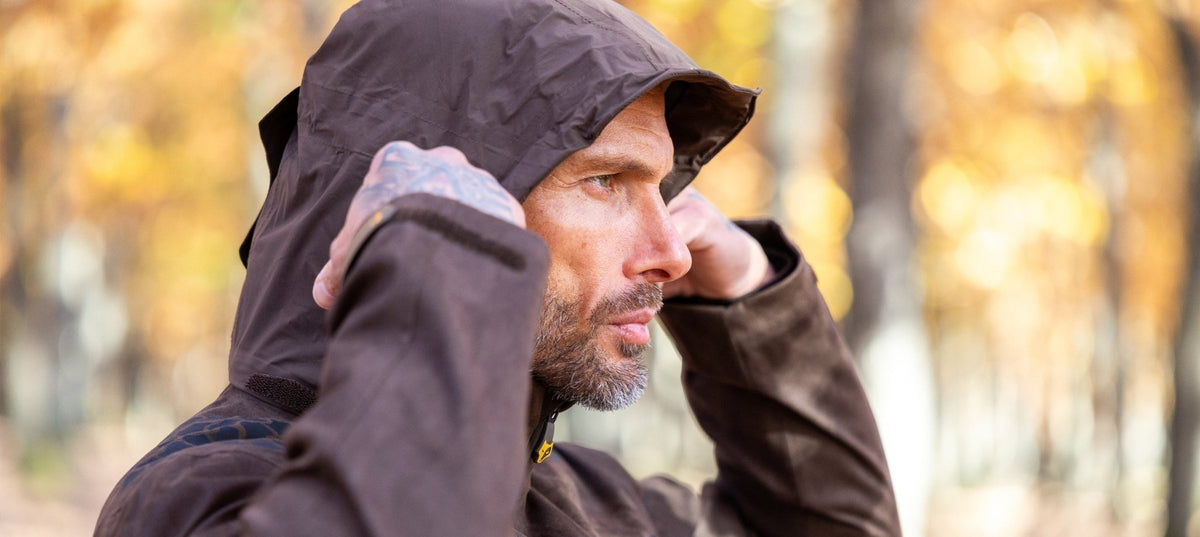
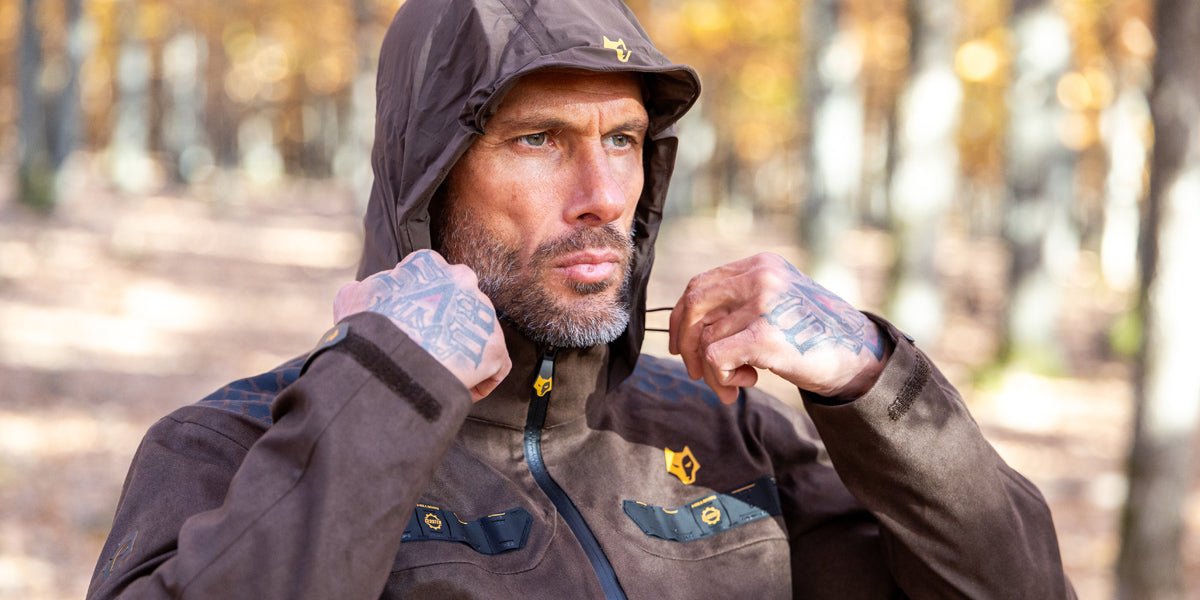
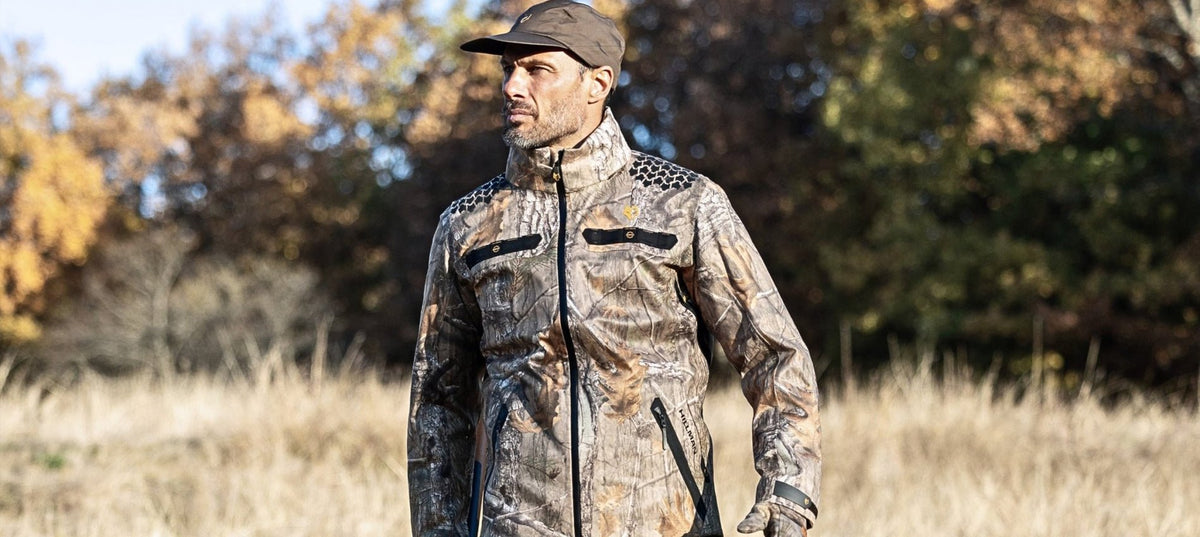
For hunters who travel, conditions rarely follow a straight line. A cool start can turn warm faster than expected, wind can appear once the ground opens up, and light rain often arrives without warning. Jackets that rely only on insulation struggle here. Lightweight hunting jackets behave differently. They allow adjustment without constant stopping, work better with layering, and feel easier to live with as the day shifts from one condition to another.
Movement is where problems show first. If fabric pulls when raising an arm, feels stiff around the shoulders, or makes noise with every step, attention drifts away from the hunt. These details are easy to miss when trying on a jacket, but they become impossible to ignore after hours of walking, setting up shooting sticks, or moving carefully through uneven ground. Lighter jackets tend to be softer, more flexible, and quieter, which keeps movement natural rather than forced.
Over time, the goal changes. You stop looking for a jacket that feels impressive and start looking for one that disappears once you put it on. A good lightweight hunting jacket does not demand decisions throughout the day. You do not think about when to take it off, where to store it, or whether it is getting in the way. It simply adapts while you focus on the terrain, the wind, and what is happening ahead. For hunts shaped by travel and changing conditions, that kind of quiet reliability matters more than anything else.

Waterproof jackets that keep hunters dry on the move
Rain is rarely the problem people imagine. It is not the heavy downpour that causes trouble, because for that, you usually stop, wait, or change plans. The real issue is everything else. Damp air that never quite turns into rain. Wet grass brushes against your legs. Wind that pushes moisture through fabric slowly, without making a scene. That is where waterproof jackets either earn their place or become a quiet frustration.
When you are moving, waterproofing feels different. A jacket can be technically waterproof and still uncomfortable. You notice it when the inside starts to feel slightly sticky, when heat builds faster than expected, or when the fabric stops feeling neutral against the body. These things are easy to ignore at first, but over hours, they change how often you stop, how far you push, and how patient you remain.
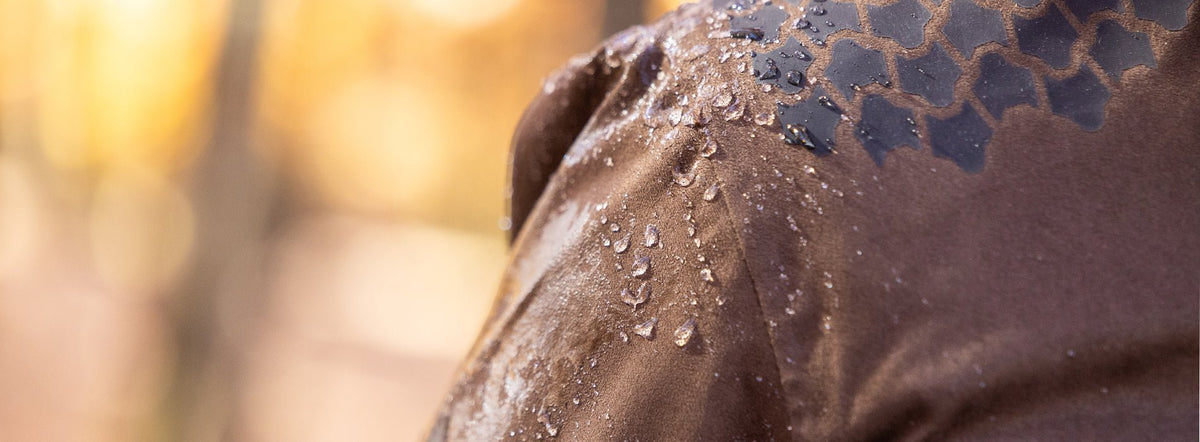
Lighter waterproof jackets tend to behave better in these in-between conditions. They dry faster after contact with rain or wet vegetation. They fold away without becoming bulky when the weather improves. Most importantly, they allow movement to stay fluid instead of forcing you to slow down and manage layers every time conditions shift. The jacket works around the day, not the other way around.
There is also trust involved. When you know your jacket will keep you dry enough, you stop checking it. You stop adjusting zips, pulling at sleeves, or wondering whether moisture is getting through. Attention moves back to the ground, the wind, and what is happening ahead. For hunters who travel and stay on the move, that quiet confidence matters more than absolute waterproof ratings. Staying dry is important, but staying focused is what actually carries the day.

Hunting jackets designed for performance and comfort
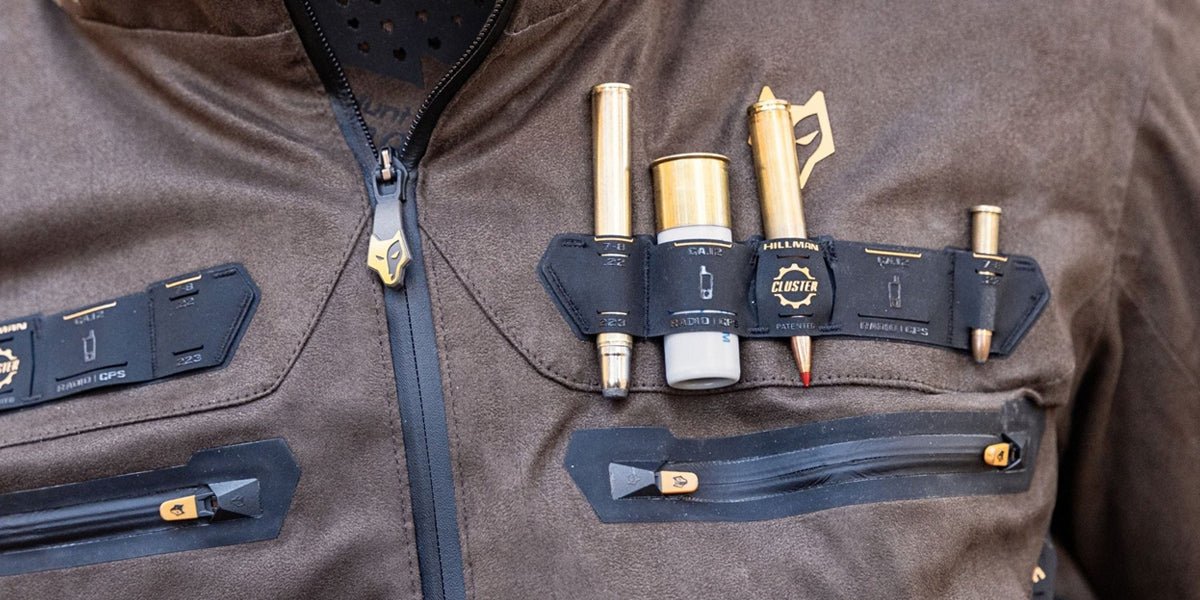
A jacket can look right and still feel wrong once the hunt starts. The difference usually shows up after a few hours, not immediately. At first, everything seems fine, but as movement becomes more repetitive and conditions begin to shift, small issues appear. Fabric catches slightly when lifting an arm. Pockets are harder to reach with a pack on. Heat builds where it should not. These details do not ruin a hunt, but they slowly chip away at comfort and concentration.
Performance in hunting jackets is rarely about a single feature. It comes from how multiple elements work together without demanding attention. A good jacket allows freedom of movement when raising a rifle, setting up shooting sticks, or adjusting position on uneven ground. It stays flexible enough to follow natural motion rather than resist it. When this balance is right, the jacket feels present but never intrusive.
Comfort is just as situational. Standing still in cool air requires a different response than steady walking or climbing. Jackets designed with this in mind rely on construction and fabric choice rather than bulk. They manage warmth through breathability and airflow instead of insulation alone. This makes them easier to live with across a full day, especially during early-season hunts when temperatures rarely stay consistent.
Over time, experienced hunters stop evaluating jackets by how technical they sound and start judging them by how little they notice them. A jacket that supports performance and comfort does not ask for decisions every hour. You do not think about when to take it off or whether it is in the way. It simply stays useful as the day unfolds. For hunters who travel and face changing conditions, that quiet reliability is what separates a good jacket from one that only looks the part.
Shooting jackets built for mobility and control
Shooting exposes things that casual movement hides. A jacket that feels acceptable while walking can suddenly feel wrong the moment you raise a rifle or settle into position. The shoulders resist, the fabric tightens across the back, or the sleeve pulls just enough to interrupt the motion. These are small interruptions, but they break rhythm, and rhythm matters when control is more important than speed.
Mobility in shooting jackets is less about stretch on paper and more about how the jacket behaves during repeated movement. Mounting a rifle, lowering it, adjusting stance, then doing it again an hour later should feel consistent. Jackets designed with shooting in mind tend to follow the arms rather than work against them. The cut matters as much as the fabric. When movement stays natural, attention stays on timing and placement instead of on what the jacket is doing.
Control also comes from stability. Excess material flapping in the wind, stiff panels that shift when you move, or pockets placed where they interfere with posture all add noise, physical or mental. Shooting jackets that work well tend to feel quieter, both in sound and in presence. They sit closer to the body without feeling restrictive and stay predictable when you change position.
Over a full day, this predictability becomes valuable. You stop compensating. You stop adjusting. The jacket becomes part of your movement instead of something you manage around. For hunters who travel and shoot in unfamiliar places, that sense of control builds confidence quickly. When gear stays consistent, even when terrain and conditions do not, the hunt feels steadier, and decisions come easier.

Lightweight hunting gear for early-season hunts
Early-season hunts have a way of feeling simpler than they actually are. The air is often mild, the days are longer, and it is easy to assume that heavy preparation will not be necessary. That assumption usually lasts until movement begins. Long walks warm the body faster than expected, pauses cool it just as quickly, and small changes in wind or shade suddenly start to matter.
Lightweight gear fits these conditions because it allows adjustment without disruption. Instead of relying on warmth alone, early-season clothing works best when it manages heat as activity rises and falls. Breathable layers release excess warmth while moving, then offer just enough protection when the pace slows. This keeps the body steady rather than constantly shifting between too warm and too cool.
Another challenge of early-season hunting is restraint. Carrying more gear feels tempting because space and weight seem less critical at first. Over time, that extra load becomes noticeable. Hunters who travel learn to resist this and focus on pieces that handle multiple roles. Gear that works across hunting, hiking, and time around camp reduces the need for backup items and keeps the pack easier to manage.
Colour and texture also play a role early in the season. Softer tones blend better with summer cover, and quieter fabrics help maintain proximity to game without drawing attention. Lightweight gear designed for these conditions tends to feel less like armour and more like clothing, which supports movement and patience rather than working against it. Early-season success often comes from staying comfortable long enough to stay focused, and lightweight choices make that possible.

Warm weather hunting gear that stays comfortable
Warm weather is deceptive. It does not feel demanding at first, and that is exactly why it causes problems later. You start moving, the body warms up quickly, and everything seems manageable. An hour passes. Then another. Sweat builds slowly, clothes stop drying, and comfort disappears without a clear moment when things went wrong.
In heat, hunting gear is either helping you recover or quietly working against you. Breathable clothing makes a difference here, not in a dramatic way, but over time. Air moves. Moisture leaves. The body settles instead of constantly overheating and cooling down again. When that balance is missing, fatigue arrives earlier than expected, and patience runs out sooner.
Warm conditions also expose how fabric behaves during long movement. Anything stiff, noisy, or slow to dry becomes noticeable very quickly. Clothing that feels light on the body tends to fade into the background, which is exactly what you want. You stop adjusting layers, stop thinking about what you are wearing, and stay focused on the ground ahead.
Protection does not disappear just because temperatures rise. Sun, wind, light rain, and contact with vegetation still matter, especially over a full day. The difference is how that protection is delivered. Warm weather gear that stays comfortable does not seal heat in or demand constant management. It allows movement, releases warmth when needed, and lets the hunt unfold without turning clothing into another problem to solve.
Layering systems for lightweight hunting clothing

Layering sounds simple until you actually rely on it. On paper, it is just a base layer, something in the middle, and an outer shell. In the field, it feels far less tidy. You stop, you move, the wind shifts, the sun comes out, then disappears again.
The base layer does most of the quiet work. When it fails, everything else follows. If moisture stays close to the skin, discomfort builds no matter what you wear on top. When it works, you barely notice it. The body stays more stable, pauses feel shorter, and restarting movement does not feel like starting over. This is where lightweight systems begin, even if they are rarely discussed that way.
Mid-layers are often misunderstood. Too much warmth feels reassuring at first, then becomes a problem once movement increases. Too little feels fine while walking, then disappears the moment you stop. A good mid-layer does not dominate. It adds just enough warmth to smooth transitions, not to control the whole day. Hunters who travel learn to choose pieces that compress easily and come on and off without drama.
The outer layer is not about sealing everything in. Wind and light rain matter, but so does letting heat escape. When the shell is too rigid or too heavy, layering stops working and turns into constant adjustment. Lighter shells respond better. They move with the rest of the system instead of sitting on top of it like a separate decision.
What makes layering effective over time is not precision, but flexibility. You stop aiming for the perfect combination and start accepting small imperfections that change throughout the day. Clothing shifts, gets adjusted, gets ignored again. When the system works, you are not thinking about layers at all. You are moving, stopping, watching, and deciding, while the clothing quietly adapts around you instead of asking to be managed.

Essential accessories hunters should never overlook
Accessories are easy to underestimate because they rarely feel important while packing. They do not take much space, they do not add much weight, and they are often assumed rather than checked. Then conditions change, and suddenly those small items start shaping the entire day. Comfort slips first, then patience, and finally focus.
Gloves are a good example. They seem optional until the wind picks up or the temperature drops slightly more than expected. Once hands get cold or damp, everything slows down. Adjusting gear takes longer, fine movements feel clumsy, and irritation builds quietly. The same happens with socks. One good pair can carry you through the day, but the wrong choice stays noticeable with every step, especially once moisture enters the equation.
Navigation tools fall into a similar category. Even when using digital aids, having something simple and reliable as backup changes how confidently you move. When direction is clear, decisions come faster. When it is not, small hesitations appear, and those pauses add up over hours. Accessories that support orientation and awareness do more than guide movement; they reduce mental noise.
Other items only reveal their value when you need them. A small first aid kit, basic water filtration, or something as ordinary as spare food can quietly reset a difficult moment. These are not dramatic pieces of gear, but they keep problems from growing. Hunters who travel learn that accessories are not about preparing for extremes. They are about smoothing out the long, ordinary stretches where most hunts actually unfold.
What separates useful accessories from clutter is intention. Each item should solve a specific problem without creating a new one. When chosen carefully, accessories disappear into the background, doing their job without drawing attention. That is when they matter most, when they support the hunt without becoming something else to manage.

Packing smart for your next hunting adventure
Packing never stays solved for long. You think you have it figured out, then the next trip proves you wrong. Something that felt essential last time stays untouched now. Something you barely noticed before suddenly becomes the one thing you keep reaching for. After a while, you stop trusting lists and start trusting experience instead.
A bag filled to the edge feels organised at home and annoying everywhere else. There is no room to shift things around, no space for small changes, and no margin for success when weight needs to be added later. Leaving space is not about forgetting gear. It is about giving the day permission to change without forcing you to unpack everything just to reach one item.
How things sit inside the pack matters more than most people expect. If weight shifts while you move, you feel it immediately. If items are buried too deeply, every stop becomes longer than it needs to be. When packing works, it feels quiet. You reach in, take what you need, and move on without breaking rhythm.
There is also a mental side to it. A pack that feels predictable makes the day easier. You stop adjusting straps, stop second-guessing decisions, and stop worrying about what you forgot. Attention moves outward instead of inward. For hunters heading into another trip, packing smart is less about control and more about leaving enough room for the hunt to unfold without friction.
Lightweight hunting gear as a long-term investment
Lightweight gear proves its value slowly. Not during the first trip, and not because it feels impressive. It shows up later, when preparation becomes faster, packing decisions feel obvious, and nothing in the bag needs explaining anymore.
Over time, the same pieces get used across different trips, seasons, and locations. They compress, move, and wear in rather than breaking down. Instead of building a setup around one specific hunt, experienced travellers end up with a small, familiar range that adapts without effort.
That is usually when the idea of “investment” starts to make sense. Not as a promise of better results, but as fewer problems. Less weight to manage. Fewer decisions to second-guess. Gear that does its job quietly and leaves the rest of the work to the hunter.

Share: