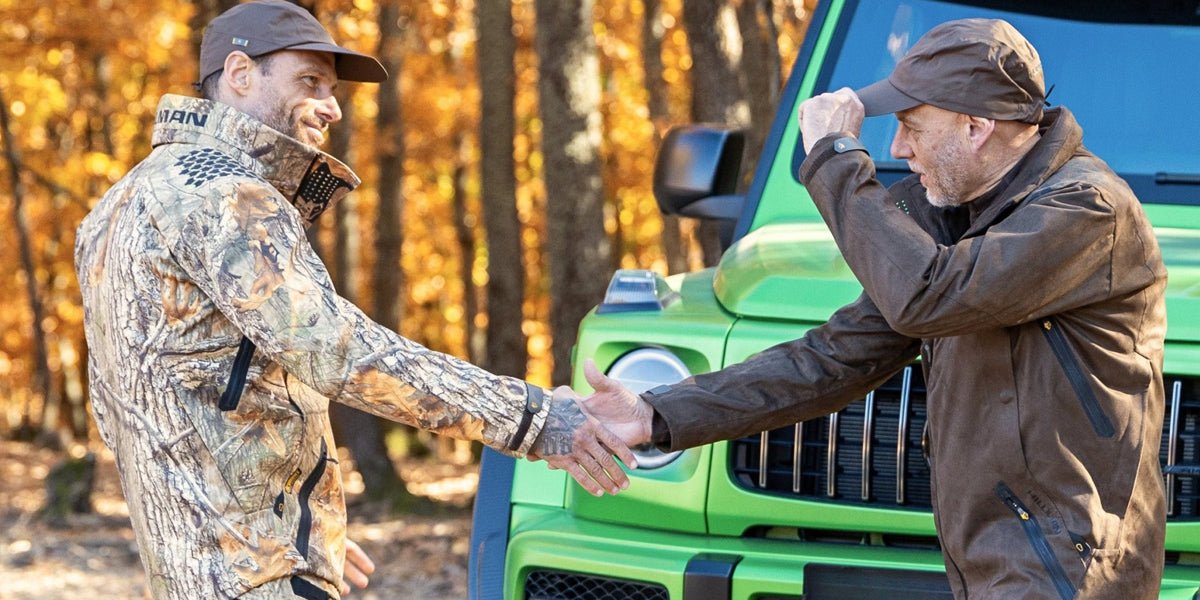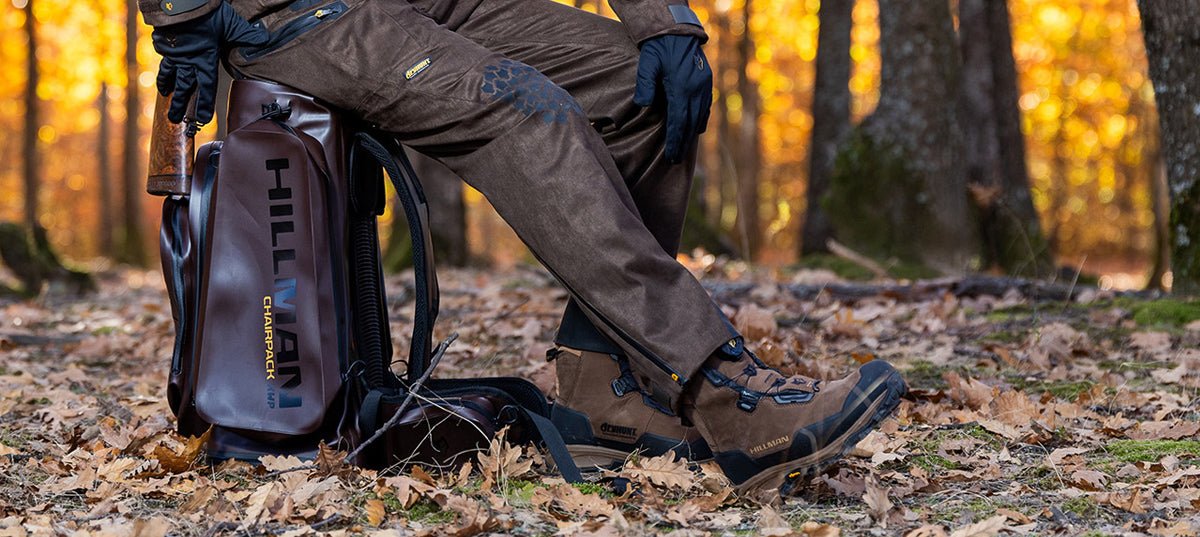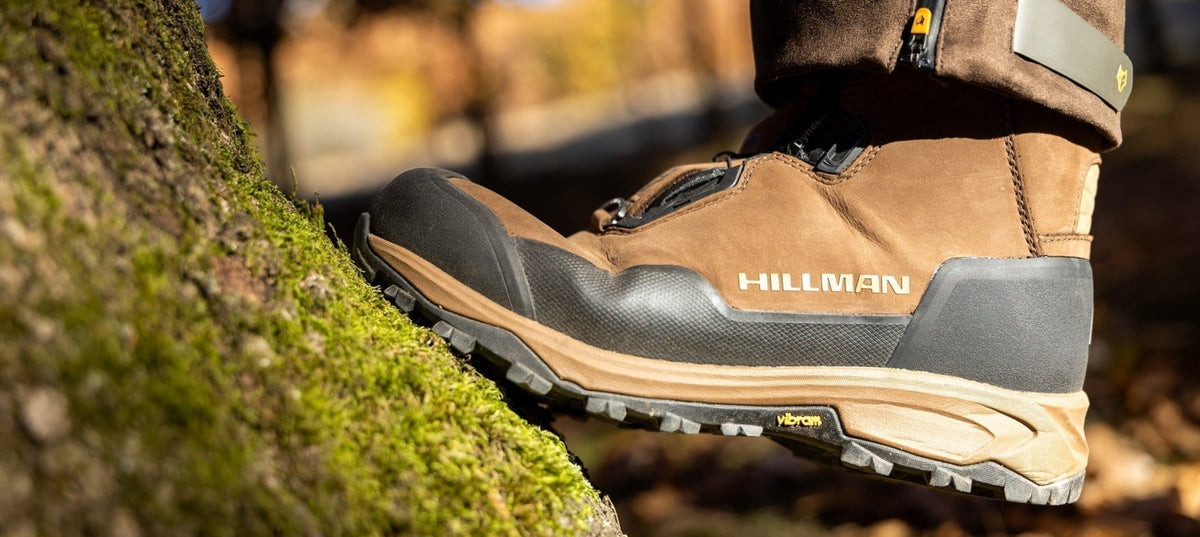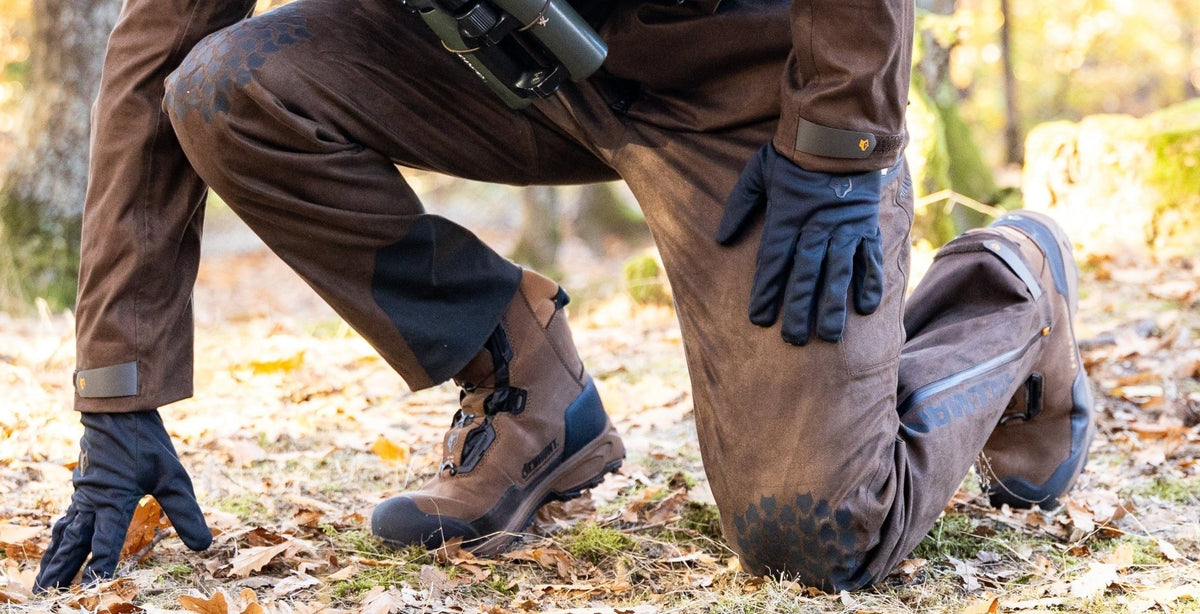
How to Stay Comfortable During Back-to-Back Hunt Days in Different Climates

comfort for back-to-back hunt days and different climates: smart layering, base layers, hunting jackets, shooting clothing for cold weather

Comfort during back-to-back hunt days is never static. Explore how smart layering and adaptable clothing support long days in changing conditions.

There is a strange expectation around hunting clothing that we’ve never quite agreed with. The idea that comfort is something you “solve” before the hunt starts, as if the right jacket or the right layer could somehow lock everything into place for days at a time.

Our experience has been different.

Back-to-back hunt days don’t behave that way. They don’t unfold neatly. They don’t respect preparation in a linear sense. What feels right at the beginning often changes somewhere in the middle, not because the weather suddenly turns extreme, but because the body does.

Comfort, over long days in the field, becomes less of a state and more of a conversation between clothing, movement, temperature, and fatigue. And that conversation keeps changing.

We’ve learned to listen to it.

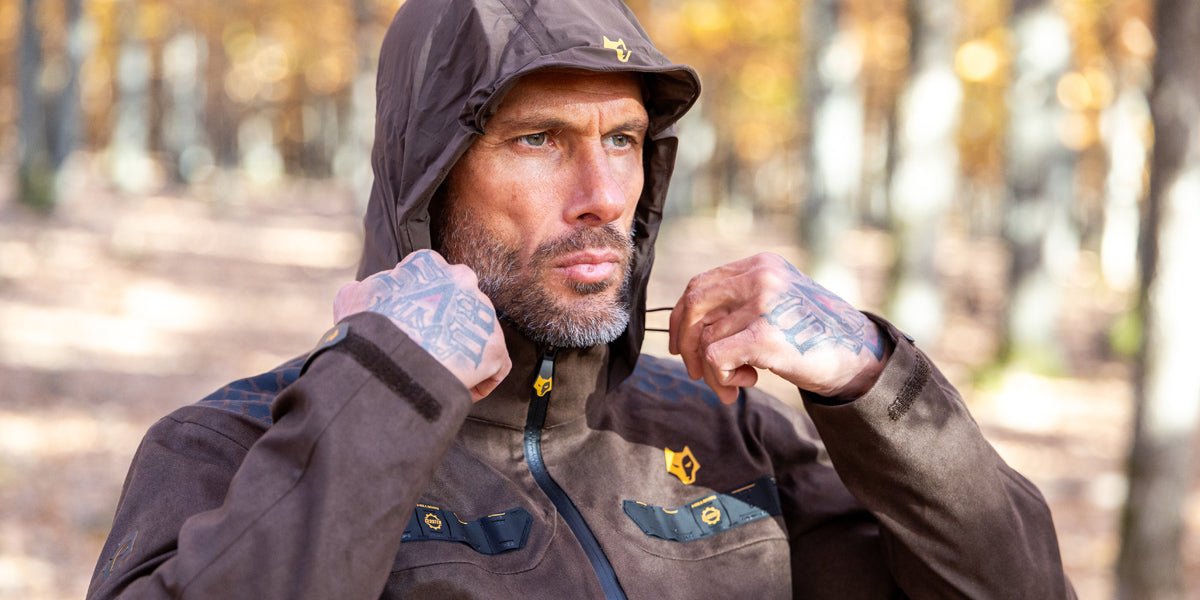
comfort for back-to-back hunt days and different climates: smart layering, base layers, hunting jackets

Back-to-Back Hunt Days Are Not Just “More of the Same”

It’s easy to think of back-to-back hunt days as a simple extension of a single hunt. Another morning. Another long walk. Another stretch of waiting. In reality, the second and third days feel different in the body, even when the landscape looks familiar.

Muscles remember yesterday. Balance shifts. The way the body holds heat changes subtly, often without warning. Long periods of movement followed by stillness start to feel heavier, not because the conditions are worse, but because the margin for error becomes smaller.

This is usually when hunting clothing begins to matter differently. Not as protection from one specific element, but as support for a body that is already working harder than it did before.

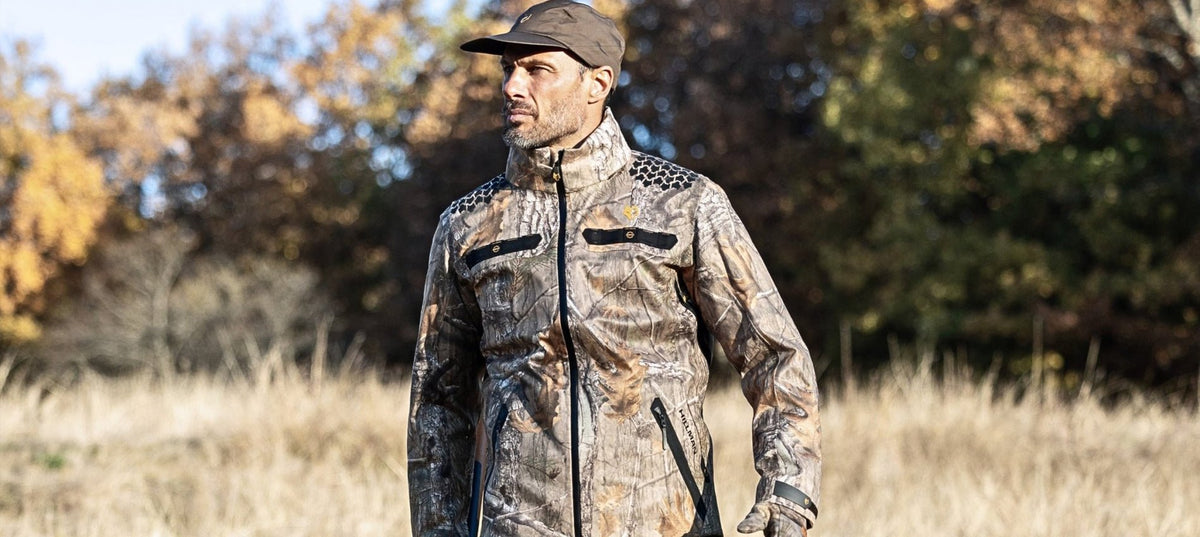
back-to-back hunt days in different climates: smart layering, hunting jackets for cold weather

Weather Is Only Part of the Story

We often talk about weather as if it were a single force, but during hunting seasons, it rarely arrives that cleanly. Rain doesn’t always mean cold. Wind doesn’t always arrive alone. Wet ground can exist under clear skies.

Over long days, it’s not the presence of weather that matters most, but the transitions. Moving from cold air into movement-generated heat. Stopping suddenly while the body is still warm. Standing in the wind after hours of walking. These are the moments that define comfort more than any forecast ever could.

Hunting clothing that works across different weather conditions doesn’t try to dominate these transitions. It allows them to happen without becoming disruptive.

back-to-back hunt days comfort and different climates: shooting clothing for harsh, cold weather

Harsh Weather Conditions Build Quietly

Harsh weather conditions are often imagined as dramatic events, but in practice, they tend to accumulate slowly. Wind pulls warmth away bit by bit. Rain adds weight before it adds discomfort. Wet fabric changes how clothes sit against the body.

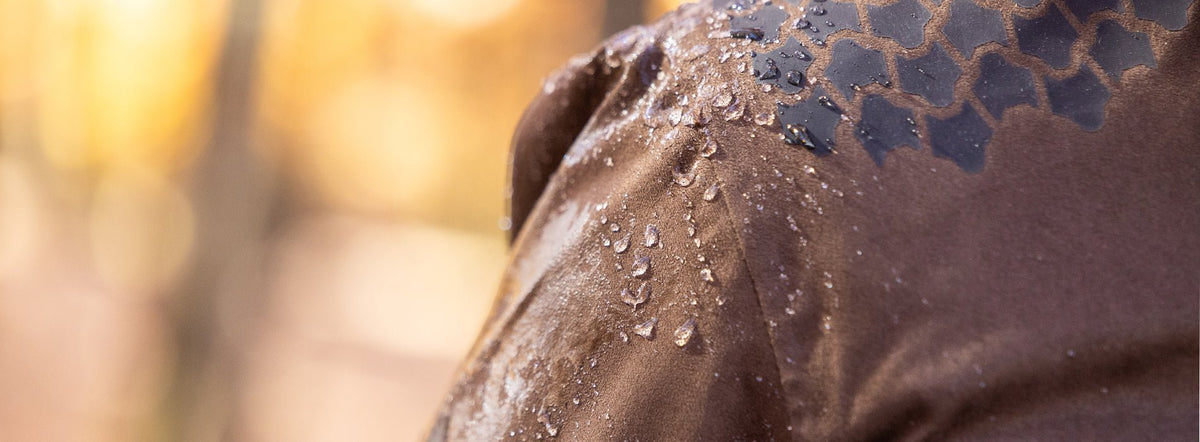
In the great outdoors, this quiet accumulation matters. Over long periods, even small inefficiencies in clothing begin to cost energy. Durability, wind protection, and the ability to shed water are not about comfort in isolation; they are about reducing the number of small adjustments the body has to make just to stay functional.

Cold Weather Is Not the Enemy Movement Is Afraid Of

Cold weather hunting doesn’t fail because it’s cold. It fails when warmth and movement stop cooperating.

Too much insulation creates stiffness. Too little creates distraction. Somewhere between those two sits a balance that changes throughout the day, depending on activity level, wind, and how much rest the body has had.

Staying warm, in our experience, is rarely about adding more clothes. It’s about allowing heat to build and escape naturally, without forcing the body into extremes. Clothing that understands this makes cold weather feel manageable rather than exhausting.

Base Layers Are Felt Only When They Fail

back-to-back hunt days comfort and different climates: smart layering, base layers

Base layers rarely get attention, which is probably a good sign. When they work, they disappear into the background. When they don’t, everything else struggles.

Sitting close to the body, base layers manage moisture long before outer layers are involved. Over long days, that matters more than insulation alone. Sweat that lingers turns cold. Dryness turns into warmth.

Thin, breathable base layers support the body quietly, allowing every other layer to do its job without interference. Maximum comfort often begins here, even if it’s the last place people think to look.

Hunting Jackets Carry More Responsibility Than We Admit

back-to-back hunt days comfort and different climates: shooting clothing for cold weather

Hunting jackets tend to carry unrealistic expectations. They are asked to be fully waterproof, windproof, insulated, breathable, durable, and light, all at the same time, across changing conditions and long days.

In extreme conditions, what matters most is not how much a jacket promises, but how consistently it performs. A jacket that sheds water, protects the core, and allows excess heat to escape does more than keep the body warm; it reduces decision-making fatigue. You stop thinking about what you’re wearing and start paying attention to where you are.

Shooting Clothing Is About Stability More Than Style

Shooting clothing reveals its value slowly. Over long days, steadiness matters more than initial comfort. Arms need freedom. The core needs warmth. The body needs to stay balanced through repeated movement and pauses.

Good shooting clothing supports this rhythm without forcing it. It doesn’t restrict movement, and it doesn’t collapse into looseness. Over time, that balance preserves energy, which often matters more than protection from any single element.

Cold Fingers & Ears Change Everything

back-to-back hunt days comfort and different climates: beanies, gloves, shooting clothing for cold weather

Few things disrupt focus faster than cold fingers. Grip weakens. Sensitivity drops. Simple actions take more effort than they should.

Hunting gloves live in that difficult space between warmth and control. Too much insulation and movement suffer. Too little and the cold wins quickly. A dependable pair protects fingers from wind and wet conditions while preserving the ability to move, feel, and respond without hesitation.

It’s a small piece of gear, but during long days it often decides how comfortable everything else feels.

Heat loss doesn’t only happen at the hands. A lightweight merino beanie reduces overall heat loss and helps maintain thermal balance, which in turn makes it easier to keep extremities comfortable during long, exposed periods outdoors.

A Hunting Outfit Works Best When It Behaves Like One

back-to-back hunt days comfort and different climates: smart layering, base layers, hunting jackets

A hunting outfit is rarely about individual items. It’s about how those items behave together over time. Jackets, trousers, base layers, socks, and gloves each play a role, but none work well in isolation.

When clothing functions as a system, comfort becomes consistent rather than conditional. Adjustments become smaller. Movement feels easier. Over long periods outdoors, this coherence allows the body to focus on the hunt rather than on managing discomfort.

back-to-back hunt days comfort and different climates: smart layering, base layers, hunting jacketsA Full Collection Creates Options, Not Weight

A full collection of hunting clothing doesn’t exist to add choices; it exists to remove compromises. Layering allows adaptation without excess. Breathable layers manage moisture. Insulating layers handle warmth. Waterproof layers protect against the elements.

This approach keeps clothing light, responsive, and relevant across different climates and long days. It also reduces the temptation to overload, which often creates more problems than it solves.

back-to-back hunt days comfort and different climates: shooting clothing for cold weather

Extreme Conditions Reward Balance, Not Excess

Extreme conditions often invite overreaction. More layers. More weight. More protection.

In practice, balance wins. Trapped air insulates better than bulk. Lighter layers preserve movement. The body regulates heat more effectively when it isn’t fighting its own clothing.

This balance becomes especially important during back-to-back hunt days, when conserving energy matters as much as staying warm.

Comfort Is Not the Goal, Focus Is

Comfort, on its own, is not why we spend long days outdoors. Focus is. Presence is. The ability to stay engaged with the landscape, the movement, and the moment.

When clothing supports the body instead of demanding attention, focus follows naturally. That is how long days become sustainable. That is how back-to-back hunt days stop feeling like endurance tests and start feeling like what they are meant to be: time spent fully present in the world outdoors.

Thomas Keller
Author

Thomas Keller

Senior Gear Tester / Field Performance Specialist

Thomas Keller deals mostly with the kind of gear hunters notice when the day gets long: boots, waterproof jackets, cold-weather layers and outerwear that has to keep working after hours outside. He has a practical eye for fit, grip, noise, drying time and the small weak points that rarely show up in studio photos. His articles usually come from one simple question: would this still feel right in mud, wind, wet grass or a slow winter stand?

Related blog posts

how to break in hunting boots, best socks to break in boots: waterproof, insulated boots leather

How to Break In Hunting Boots Before a Serious Hunting Trip?

Breaking in hunting boots is not about forcing stiff leather to soften overnight. It is about learning how the boots behave before rough ground, wet weather, and long hours start exposing problems. A proper break-in gives you time to sort heel movement, pressure points, socks, and support before the hunt becomes serious.

Read more

Best Hunting Rain Gear for Hunters (2025 guide) - Hunting Boots - Winter, Waterproof Gear | Men's Hunt Clothes

Best Hunting Rain Gear for Hunters (2026 guide)

The article reviews the best hunting rain gear for 2026, tailored for the unpredictable and often extreme weather conditions across the UK and EU. It emphasizes the importance of breathable, lightweight, quiet, and durable gear for different hunting styles and terrains. Hillman’s rainwear is highlighted as a top performer, outscoring competitors in versatility and weather resistance. The piece also offers practical tips on layering, gear maintenance, and choosing the right setup for woodland stalking, hill stalking, and driven shoots.

Read more

best hunting boots for mixed terrain guide: waterproof, insulated, hiking boots

Best Hunting Boots for Mixed Terrain Trips: One Pair or Two?

For mixed terrain hunts, there’s no perfect boot - only the one that stays stable, dry, and supportive as conditions change. One pair works if it’s versatile and reliable, but two pairs help in wet environments where drying time matters. In the end, fit, break-in, and real-world performance matter more than labels or categories.

Read more

how to choose hunting boots for unknown terrain & conditions: waterproof insulated footwear with reliable grip, ankle support, socks

How to Choose Hunting Boots for Unknown Ground Conditions

Choosing hunting boots for unknown ground is about balance rather than labels or reputation. When grip, fit, waterproofing, insulation, and support work together, boots fade into the background and allow natural movement as conditions change. The right pair keeps feet dry, stable, and comfortable over long hours, even when terrain and weather refuse to behave as expected.

Read more

lightweight hunting gear for frequent travel, layering system: breathable base layers, waterproof hunting jackets, accessories

Lightweight Hunting Gear for Hunters Who Travel Frequently

This piece explains why lightweight hunting gear matters for frequent travel, stressing that excess weight drains energy, slows movement, and disrupts focus. It highlights how adaptable, breathable, and packable clothing improves comfort in changing conditions and makes travel logistics easier. Ultimately, it argues that lightweight gear becomes a long-term investment because it reduces friction, simplifies decisions, and supports better performance in the field.

Read more

best hunting jackets for extreme temperature swings: insulated cold-weather jackets, waterproof warm weather jackets

The Best Hunting Jackets for Extreme Temperature Swings

Hunting in countries with volatile temperatures demands jackets that adapt as conditions swing from cold mornings to warm middays and back again. The best modern shooting jackets balance insulation, breathability, weather protection and movement without constant adjustment. Ultimately, versatility and fit matter more than any single feature, allowing hunters to stay focused on the field rather than the forecast.

Read more

hunting gear evolution: tradition and technology, leather, wool, waterproof boots, footwear, jackets

The Evolution of Hunting Gear: From Tradition to Technology

Hunting gear has evolved from heavy wool and leather into lightweight, technical equipment that improves comfort, safety, and performance in the field. While tradition once shaped clothing as much as function, modern materials now prioritise weather protection, mobility, and efficiency. Today’s hunters balance heritage and technology, adapting to changing conditions without losing respect for the sport’s roots.

Read more

hunting gear guide for international trip: clothes, bags, boots, accessories

Hunting Gear Guide: What to Pack for a Trip Abroad

Preparing for a hunting trip abroad is about packing trusted, practical gear that keeps you comfortable, focused, and ready for unfamiliar conditions. Prioritise reliable clothing, boots, optics, and simple field essentials over unnecessary extras. Thoughtful packing protects your energy, sharpens decision-making, and lets you enjoy the experience wherever you hunt.

Read more

best leather hunting boot

Best Leather Hunting Boot: Handcrafted for the Modern Hunter

The best leather hunting boots balance comfort, durability, and protection across any terrain or climate. Hillman’s handcrafted designs combine premium leather, waterproof membranes, and superior ankle support to keep hunters steady, warm, and dry through every season. Built for endurance rather than luxury, they turn harsh ground into steady footing and long hunts into lasting comfort.

Read more

most expensive hunting boots: not needed with Hillman

Most Expensive Hunting Boots vs Smart Design: Hillman's Approach

The most expensive hunting boots often sell image over innovation, but Hillman proves performance doesn’t need a luxury price tag. Built with smart design, breathable waterproof membranes, and superior ankle support, Hillman boots deliver warmth, grip, and comfort across the toughest terrain. For real hunters, they offer premium durability and protection at a fair, honest price: where smart engineering replaces unnecessary prestige.

Read more

tactical hunting boots: quality footwear for outdoor adventures

What Are Tactical Hunting Boots? Why Do Hunters Rely on Them?

Tactical hunting boots combine military-grade toughness with the comfort and flexibility hunters need in rough terrain and unpredictable weather. Built from durable leather and nylon with waterproof, breathable membranes, they offer superior grip, support, and all-day comfort. Reliable, protective, and long-lasting, they’ve become the go-to choice for hunters, law enforcement, and outdoor professionals alike.

Read more

hunting work boots for fields and forests

Hunting Work Boots Explained: Best Gear in Field and Forest

Hunting work boots are built for endurance, warmth, and grip, combining full-grain leather, insulation, and Dryhunt membranes to keep feet dry and supported in any terrain. They balance durability with comfort, providing stability, breathability, and protection whether you’re working the land or tracking game. In the end, they’re not just boots, they’re trusted companions built to carry hunters through every season and challenge.

Read more

FAQs

How do you prepare your body for back-to-back hunt days?

Most hunters underplan this. Sleep and food are the obvious ones, but arriving already tired is the real problem. Legs and lower back take consistent punishment on uneven ground after red deer or chamois, and that accumulates fast. You don't recover mid-trip. Whatever preparation needs to be done, happens before you leave.

Does your layering system change across multiple days?

It should. Your body runs warmer as fatigue builds, and the combination that felt right on day one starts feeling heavy by day three. Most hunters who've done week-long trips figure this out and pack lighter options for later in the week rather than committing to the same layering setup throughout.

Does breathability matter as much as waterproofing?

On active days, yes. A fully sealed jacket that doesn't breathe will have you soaked from the inside within an hour of covering ground. Moisture buildup inside clothing becomes genuinely uncomfortable by mid-morning and gets worse from there. Both matter, but breathability is the one hunters tend to undervalue until they've suffered without it.

Do gloves and a beanie actually make a meaningful difference?

Cold hands affect everything. Grip on a rifle, sensitivity on a trigger, the ability to work a call or open a zip quietly. A beanie reduces heat loss from the head, which helps keep extremities warmer overall. Neither is dramatic kit, but both are the first things you miss when you've left them behind.

Does clothing durability actually affect comfort across a long trip?

Yes, and it shows up gradually. A jacket that starts absorbing water instead of shedding it by day two creates a cumulative problem. Clothing that loses shape or softness adds small friction points that individually mean nothing but collectively grind you down. Durability across a week of hard use is a different standard from durability in a single outing.

Is heated clothing worth considering for European winter hunting?

For high seat hunting in serious cold, yes. Standing still for two hours in a January frost in Poland or on a Scottish hillside is a different problem from active hunting, and heated layers solve it efficiently. The risk is overheating when you move, so adjustable heat levels matter. For anything involving regular movement, layering handles it better.

Does freedom of movement actually matter across multiple days?

More than on a single day out. Clothing that restricts your natural movement makes the body work harder to compensate, and that adds up fast across consecutive days. By day three of a red deer or chamois trip, restricted shoulders and tight knees become a real issue. Clothing that moves with you rather than against you preserves energy you'll want later in the week.