
When the Forecast Is Wrong: Gear Lessons from Alpine, Balkan, and Forest Hunts

We reached the place where we were supposed to see the opposite ridge. I could see Lukas, the nearest rock and a short stretch of path. He looked uphill, tightened his hood and waited. I took out my phone. The forecast saved over breakfast still offered improving visibility, and I inspected it with the concentration normally reserved for finding an error in a restaurant bill.
Earlier, I had typed hunting forecast today into the search box, then checked the mountain bulletin for our route. Low cloud was expected to lift during the morning. We had a lower alternative, but I had spent the evening thinking about chamois on the far slope. Lukas pointed towards the path junction below. We could change routes while the return was straightforward, or spend another hour hoping. I put the phone away.
Alpine Cloud and a Change of Route

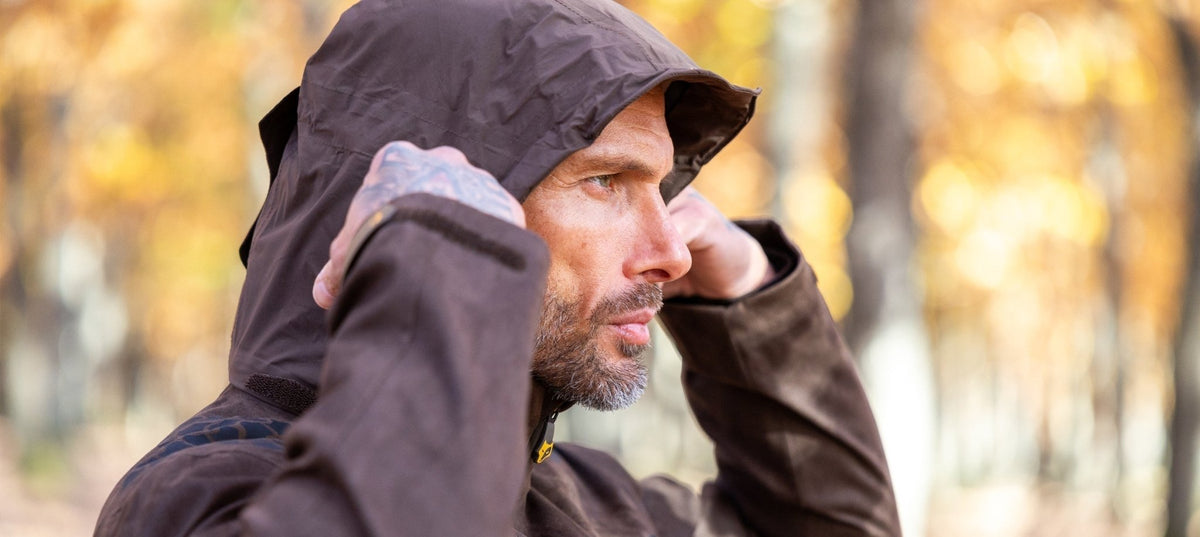
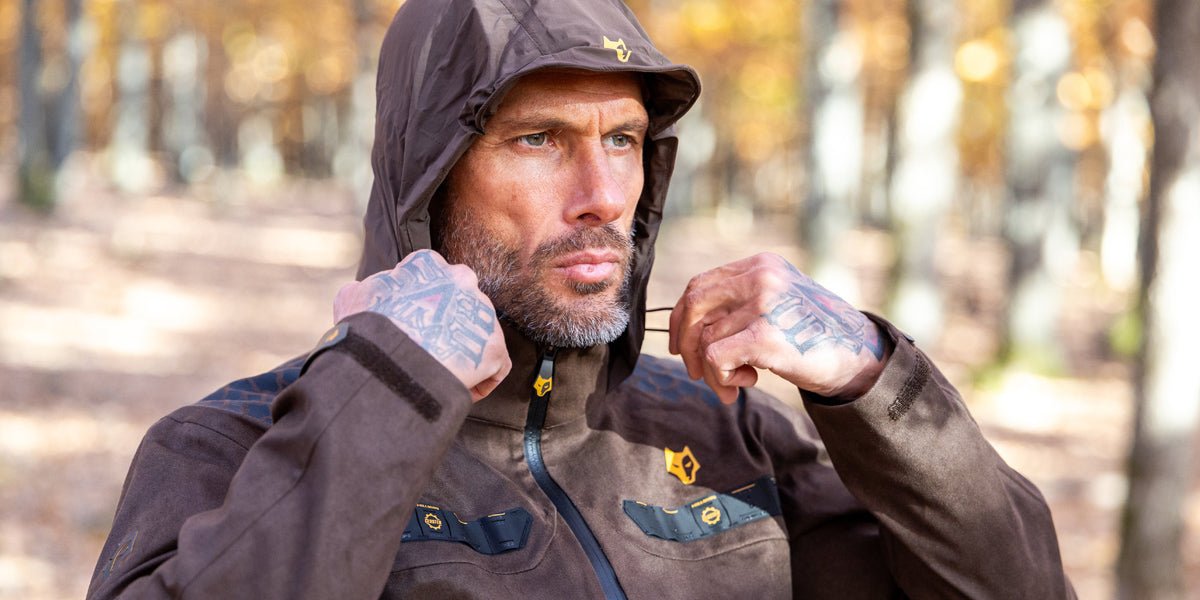
We stopped below the exposed section to sort our clothing. My shell was in the top pocket, with gloves tucked beside it. I pulled both on and adjusted the hood until it moved with my head. Lukas checked the route on his map. The spare insulation remained in its dry bag, available if we stopped for longer. Nothing about the equipment was dramatic. Being able to reach it without emptying the pack onto wet ground was useful.
Cloud had settled into the ground we intended to watch. The breeze was stronger than it had been lower down, and the small gaps in the cloud kept closing. Continuing would give us a longer walk with no dependable view at the end. We returned to the junction and took the lower route we had discussed before leaving. I was disappointed, though I tried to express this by taking an unusually professional interest in the map.
Below the cloud we could watch a broken slope through the trees. We found chamois feeding across the gully and spent time examining them, but there was no sensible approach that fitted the remaining day. Lukas marked the position for another visit. On the way down he stopped to retrieve a glove he had dropped while putting his map away. I enjoyed being helpful rather more than the occasion deserved.
Back at the vehicle, I reread the forecast. The expected improvement had not reached our slope while we were there. The bulletin had mentioned uncertainty; I had remembered the improvement more clearly. Since then, I give the written mountain forecast as much attention as the symbols: wind and gusts at our elevation, cloud, visibility and timing. A forecast for the village can help with the drive. Higher ground needs its own consideration, alongside the conditions we meet as we climb.
I also check my hunting clothes with the pack on before a trip. Can I reach the shell? Does the hood turn with my head? Can I close a cuff while wearing gloves? Those are ordinary things to discover beside a vehicle. On that Alpine morning, they let us change routes without turning a clothing adjustment into a lengthy unpacking exercise. We were back with time to dry the gear and make a better plan for the following day.
A Sunny Walk in the Balkans

On a later trip in the Rhodope hills, the forecast gave us a mild afternoon and a dry evening. Nikolai led the way up a sunlit track towards the woodland edge where we would wait. I walked with my sleeves pushed up and my warm layer packed. By the time we stopped, I was wondering whether I had brought too much clothing. Nikolai put on his insulated jacket, checked his watch and sat down.
Our position was already in shade. The opposite hillside still looked warm enough for lunch outdoors, which made the air reaching us through the saddle feel unreasonable. I put my insulation on before the warmth of walking faded, then added the shell against the wind. I needed more warmth now that I had stopped climbing. Fortunately, I had packed for the wait, despite the objections I had raised during the walk.
The jacket fitted beneath the shell without pulling across my shoulders. When shopping for hunting clothes for men, I had taken my usual midlayer along and tried the shell over it with my pack fastened. I had checked the fit sitting down as well. Beside Nikolai, I could lift the binoculars, turn and reach my pockets without having to rearrange anything.
My gloves were another matter. I had packed them inside a small bag that was inside a larger bag, beneath the food. The arrangement had seemed admirably tidy at home. Nikolai watched me remove a succession of carefully protected objects until the gloves appeared. He held the food while I put everything back, then kept the packet of biscuits on his side of the seat. I could hardly object to the terms.
We watched the edge until the light began to leave the opposite slope. A deer appeared briefly among the trees, then moved behind the brush. We followed what we could see without trying to force the opportunity. I was glad we had time to wait, even though it came to nothing that evening. On the walk back I removed the extra insulation before the first rise. Nikolai produced the remaining biscuits at the vehicle, having apparently charged only a modest fee for storage.
That afternoon changed where I put small items. Warm gloves and a hat now sit where I can reach them without disturbing the rest of the pack. I protect them from water and keep the layer for waiting close at hand. Before leaving, I check that I can get to all three with the pack resting beside me.
The Forest After the Rain

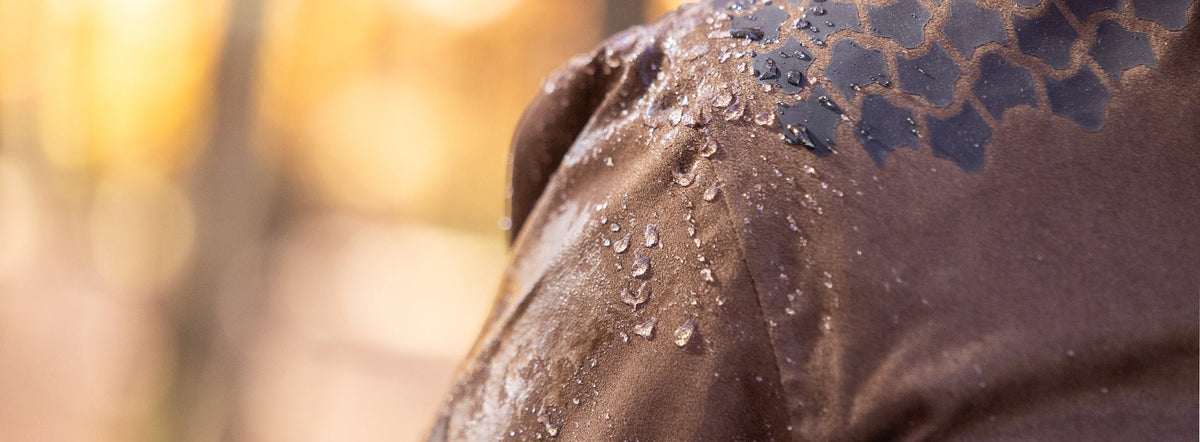
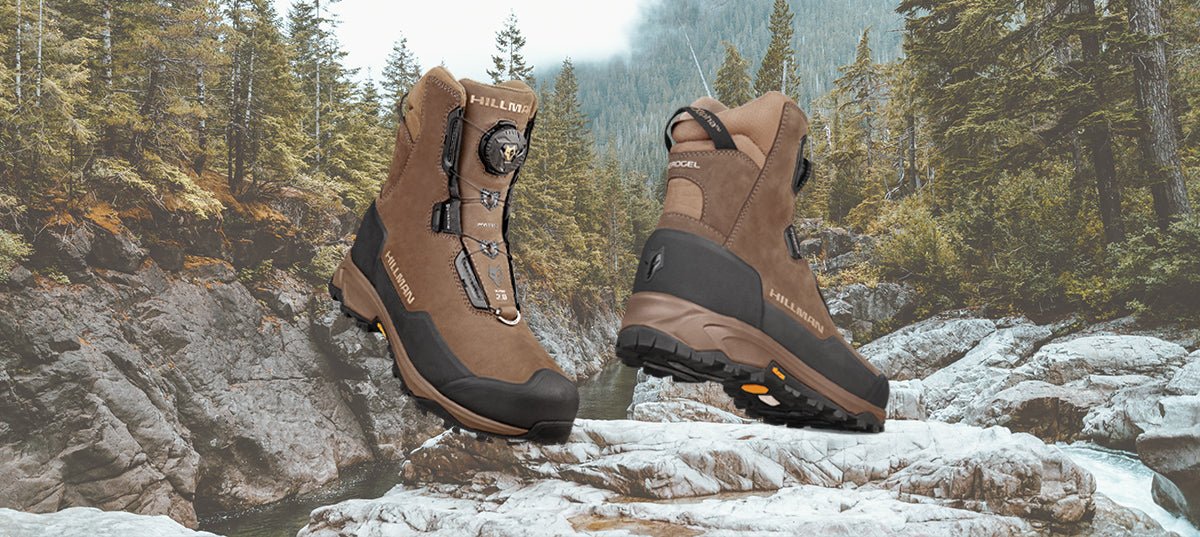
The forest outing came several weeks later. Rain had passed through overnight, and by the time Martin and I left the vehicle there were pale gaps in the sky. We planned a loop through mixed woodland, with a long pause above a clearing and a return along the forestry track. I had kept my shell trousers near the top of the pack. Before we entered the wet undergrowth, I put them on and checked how the hems overlapped my boots.
Martin went first through a narrow section where branches hung across the path. I remarked that the rain had stopped just as he released a branch that shook water onto my sleeve. He turned, looked at the cuff I was tightening, and waited until I had finished before pointing out the improving sky. We continued with a little more distance between us.
The branches and grass stayed wet long after the shower had moved away. Water brushed onto our legs whenever the path narrowed. At the clearing I put a small foam sitting pad on the damp seat and pulled my warm layer from its waterproof bag. The spare gloves were dry too. We settled where we could see the far edge without brushing against dripping branches each time we moved.
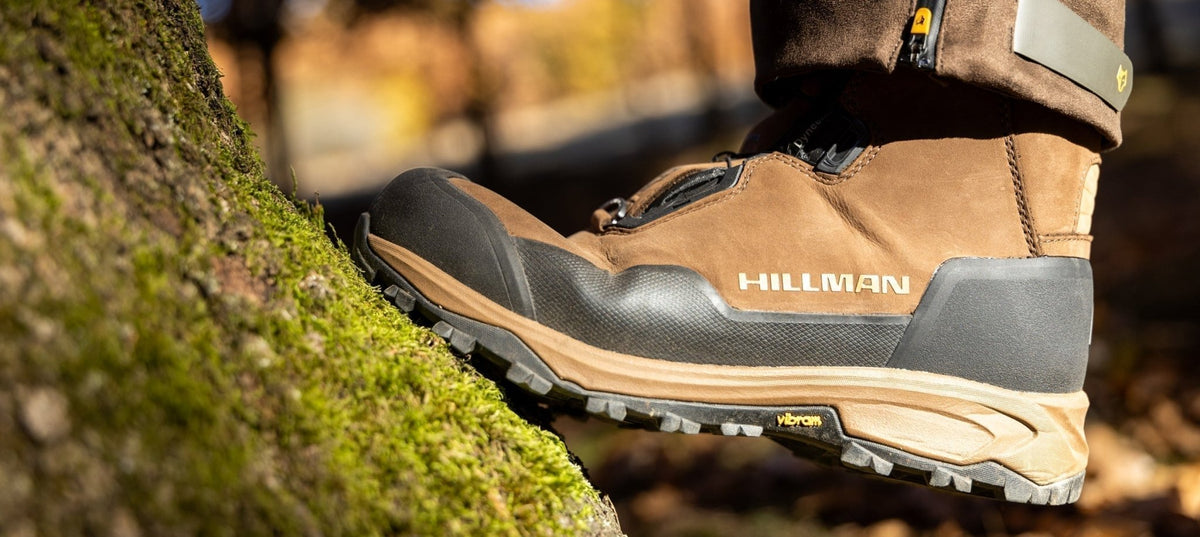
Those trousers had been the result of a search for mens hunting clothes that led to an evening comparing pockets and zips. I had checked the side openings with my boots on before keeping them. That morning they had gone on easily at the woodland edge, with the muddy boots staying on my feet.
We watched a roe work along the far edge before it disappeared into the timber. By then, picking our way through the wet ground had taken longer than planned. We left out the final loop and used the forestry track back, giving ourselves daylight for the slower sections. At the vehicle, Martin spread the damp sitting pads across the tailgate while I took off my boots.
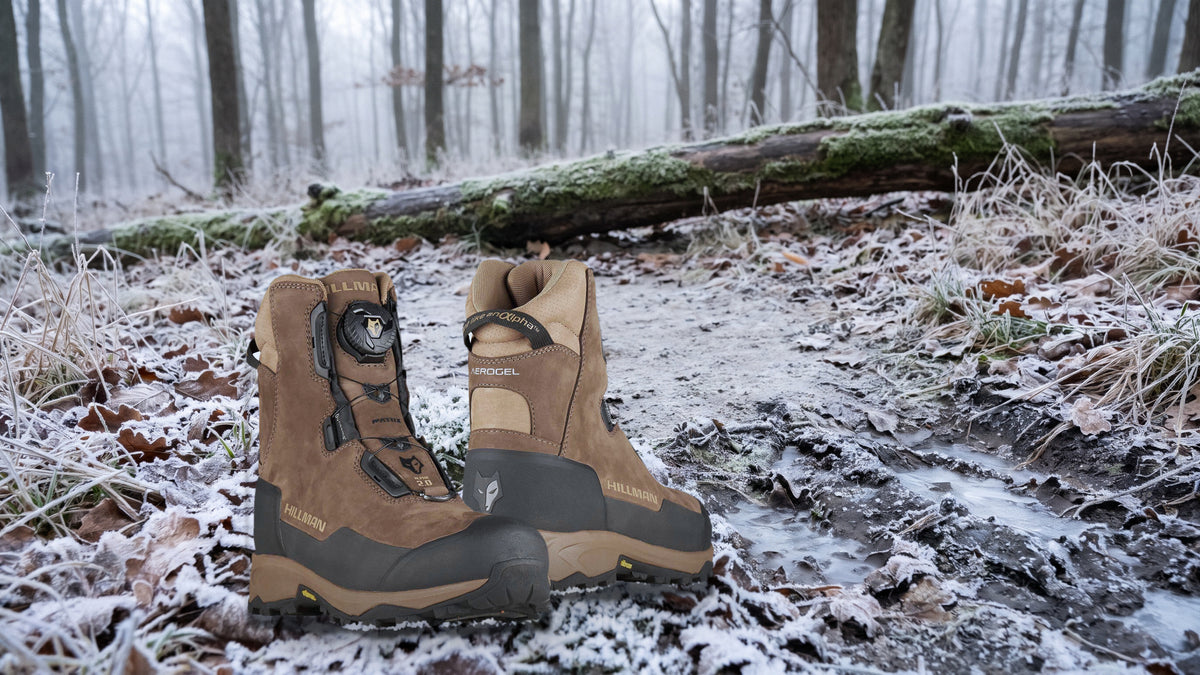
At home I emptied the pack completely. The damp shell needed drying, and so did the small towel I had used for my hands. The spare clothing could stay dry only if I kept it separate from those wet items. I opened the boots, removed the detachable insoles and followed their drying instructions. A promising forecast for the next morning was more encouraging once I had done something about the equipment for it.
What I Check Before the Next Hunt

When I spread the kit out now, I picture the route in stages. I expect to be warm on the climb, cooler while watching, and working again if we have a load to bring out. I pack accessible rain protection and enough insulation for the likely wait, with dry essentials protected inside the bag. The amount changes with the season, route and distance from shelter. The headlamp and navigation equipment keep their place even when I expect an early return.
I check the relevant forecast before leaving and compare it with what I can see on arrival. The guide and I agree on an alternative route and a point at which we will reconsider the day. On my next visit with Lukas, I had both routes open on the map before he asked. He looked them over, handed it back and asked whether I had remembered the lunch. I had, although this time I checked before answering.

Share: