
How to Build a Clothing System Around Your Jacket for Wet Forests and Cold Mornings

I have learned to judge hunting clothing less by how it looks indoors and more by what happens in the first hour outside. A jacket that felt warm in the house can become too hot on the climb. A base layer that seemed harmless can hold sweat against the skin. A pair of socks that felt thick enough at dawn can turn cold once the forest floor starts feeding moisture through the boots. Wet forests and cold mornings have a way of exposing every weak link.
That is why I never think of a hunting jacket as a single answer. It is the centre of the system, yes, but not the whole system. A good jacket protects the upper body, blocks wind, sheds rain, and gives enough room to mount a rifle or raise the arms without fighting the fabric. Still, it cannot rescue a cotton base layer, a bulky mid layer that traps sweat, leaking boots, damp socks, or cuffs that let cold air creep up the sleeve every time the hand moves.
A proper cold-weather hunting gear setup begins next to the skin, builds warmth through the middle, uses waterproof or insulated outerwear where the weather demands it, then finishes the job with trousers, boots, wool socks, gloves, headwear, and shooting accessories that match the ground. For serious hunters, outdoor enthusiasts, rough shooting hunters, mountain hunters, and shooters who move through rain, snow, wet timber, and difficult terrain, clothing is not decoration. It is temperature regulation, mobility, and concentration.
Why cold-weather hunting gear should start with the body, not the jacket?

The mistake I see most often is simple: hunters start with the outer layer because that is the visible piece. They choose a jacket first, then try to fix everything underneath it afterwards. In mild weather, that can work for a while. In cold weather, especially when the morning begins with frost and turns into wet walking, the body tells the truth quickly.
The first job of the system is moisture control. If sweat stays against the skin, warmth disappears as soon as movement slows. That can happen on a mountain approach, during a rough shooting day across heavy ground, or while stalking through a forest where every incline forces the body to heat up. The jacket might be fully waterproof and wind resistant, but if the layer under it is wet, comfort has already been lost.
This is where hunting clothing becomes more technical than many people expect. Warmth is not just insulation. It is the ability to stay dry, breathe during movement, block the elements when exposed, and avoid the slow chill that comes after overheating.
How did hunting jackets become the centre of the clothing system?
Modern hunting jackets carry a lot of responsibility. They need waterproof protection, silent movement, practical pockets, adjustable cuffs, enough length to cover the upper body, and enough freedom in the shoulders for aiming. A shooting jacket that pulls across the back at the wrong moment is not just uncomfortable. It interferes with the shot.
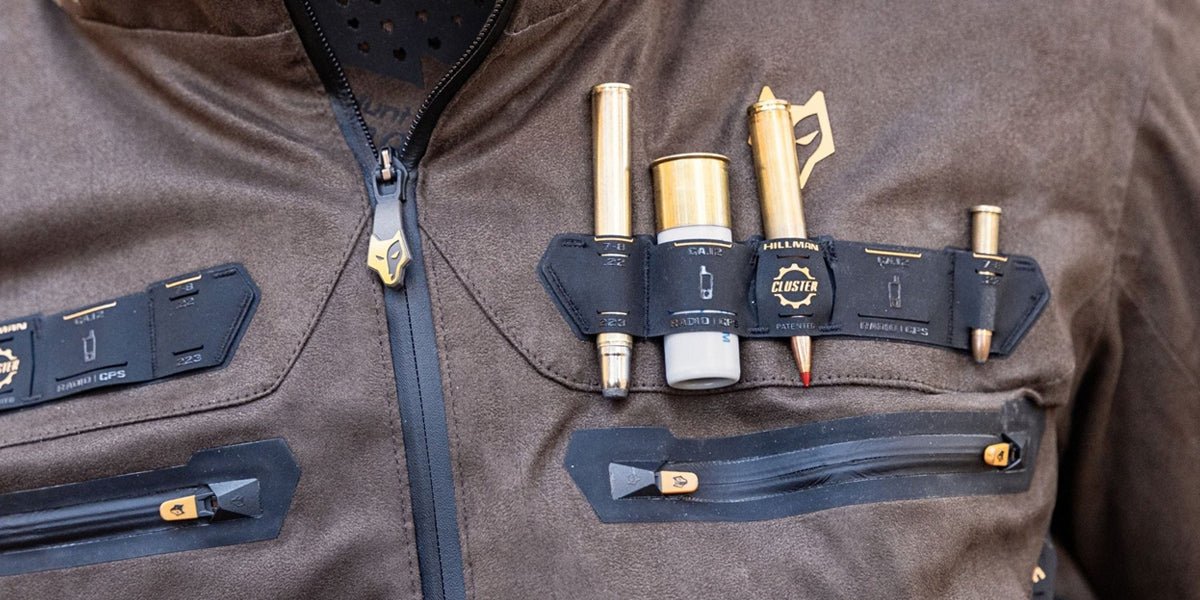
That is why I look at a jacket as a working platform. It has to sit over base layers and a mid-layer without becoming tight. It should offer easy access to the pieces I need often, whether that means gloves, a small cloth, a call, ammunition, or other essentials. It also needs to breathe, because a jacket that seals everything in may keep rain out but will trap sweat during hard movement.
The best outer layer is the one that can change with the day. In wet forests, waterproof materials matter. On open ridges, windproof protection matters. In cold conditions where waiting is part of the hunt, insulation becomes essential. But through all of that, the jacket must still let the body move naturally.
Why base layers matter before the first cold step?

Base layers are not glamorous, but they decide more than most hunters admit. They sit closest to the skin, which means they control the first exchange between the body and the weather. If they hold moisture, the whole system starts badly. If they wick moisture away and keep a thin layer of warmth near the body, the jacket has a fair chance to do its job.
Merino wool and high-performance synthetics remain the most reliable choices for cold weather because they combine insulation with moisture-wicking properties. Merino wool, in particular, has a natural way of staying warm without feeling heavy, while technical synthetics can dry quickly and manage sweat well during active hunts. Cotton is the material I avoid in this position. It feels comfortable at first, then holds moisture and pulls heat away when the body cools.
A base layer should fit snugly, not tightly enough to restrict movement, but close enough to retain warmth and move moisture away from the skin. Loose base layers create cold pockets. Overly tight ones can make the whole setup feel restrictive once trousers, mid-layer, and jacket are added.
Choosing the best base layer for cold-weather hunting
The best base layer for cold-weather hunting depends on the pace of the day. If I expect long climbs, repeated movement, and changing elevation, I favour a breathable layer that controls sweat first and adds moderate warmth second. If the plan involves slower movement, waiting in cold woods, or standing in exposed places, I want more insulation but still enough breathability to prevent overheating during the walk in.
The base layer is also where the clothing system becomes personal. Some hunters run hot, others chill quickly. Some hunts begin with a heavy approach and end with long, still periods. Others involve constant movement through timber, mud, and broken ground. The right base layer should support the body through those changes rather than forcing the hunter to dress for only one moment of the day.
A good rule is to choose the base layer for the hardest transition, not the easiest condition. Dawn may be cold, but if the first forty minutes involve climbing through wet forest, sweat management matters as much as warmth.
The mid layer: where warmth, movement and breathability meet

The mid layer is where warmth is stored, but it should never feel like a padded wall between the body and the jacket. Fleece and wool are still trusted because they trap body heat while allowing some breathability. A good mid-layer keeps the core warm without making the arms feel crowded or the shoulders stiff.
For wet forests and cold mornings, I prefer a mid-layer that can be removed or opened quickly. Conditions change faster than many hunters expect. The first hour may require warmth, the second may demand ventilation, and the third may bring rain or snow. If the mid-layer is too thick, the body overheats during movement. If it is too thin, the cold creeps in during stillness.
Fit matters here. The mid layer should sit cleanly under the jacket, leave the cuffs manageable, and allow a full range of motion. If the elbows bunch, the shoulders pull, or the hem rides up under a pack, the system is not working as a system anymore.
What does a waterproof hunting jacket need to do in wet forests?

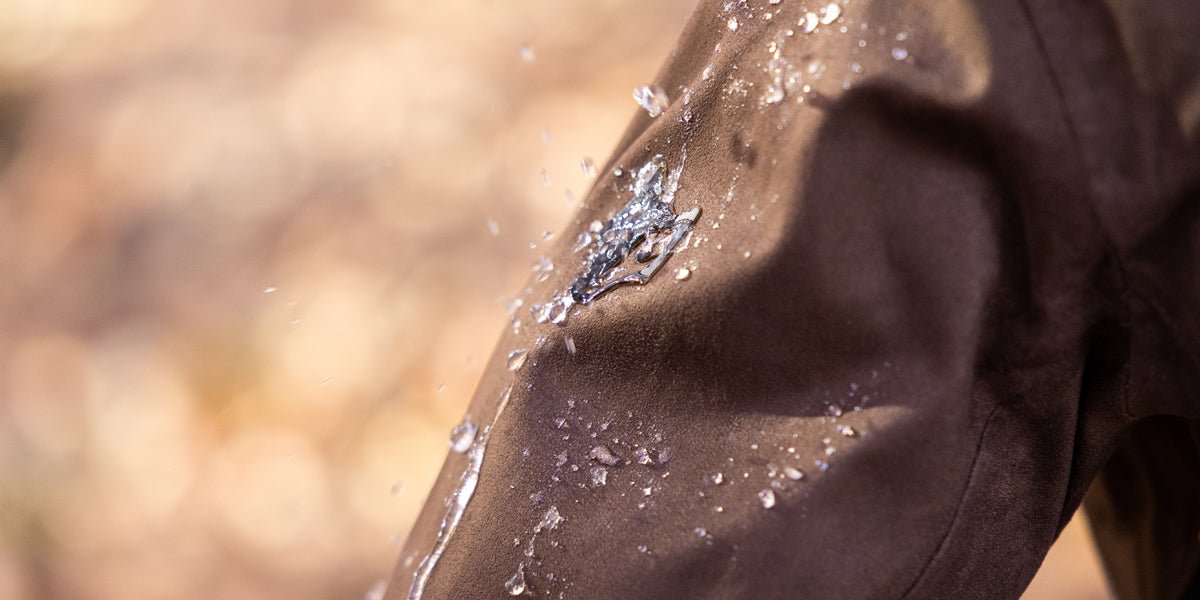
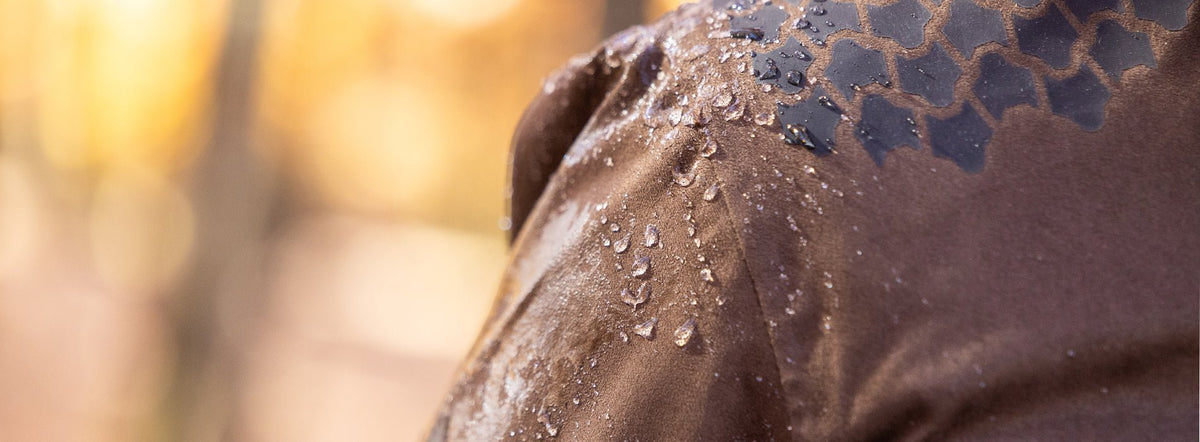
A waterproof hunting jacket for wet forests has a harder job than a simple rain shell. It must resist rain, brush, damp branches, wind, and repeated movement, while staying quiet enough for hunting. It also needs a membrane that can keep water out without turning the inside into a warm, damp pocket.
Waterproof ratings are useful here, especially when a jacket reaches 10,000mm or more, but numbers alone do not tell the whole story. Construction, seams, cuffs, hood design, fabric durability, and ventilation all affect the real hunting experience. Adjustable cuffs, for example, look like a small detail until cold water starts running down the wrist. A hood that blocks rain but kills peripheral awareness can become a problem in dense woodland.
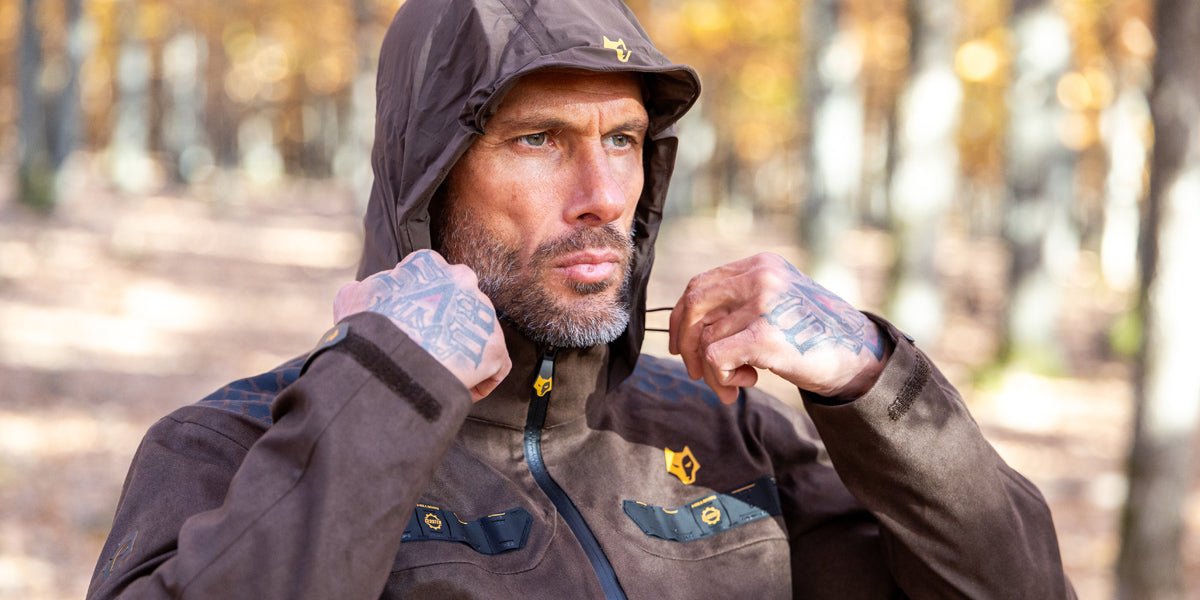
A good waterproof jacket should protect without making the hunter feel trapped inside it. I want waterproof protection, but I also want breathable fabric, practical access to pockets, and enough cut in the sleeves and shoulders for shooting.
When an insulated hunting jacket makes more sense than a shell

A shell is excellent for movement, rain, and wind, but there are days when insulation becomes more important. An insulated hunting jacket makes sense when the cold is steady, movement is slower, or waiting forms a large part of the hunt. In sub-zero temperatures, or on mornings when damp cold sits low in the forest, insulation protects the body from the slow loss of heat that begins once activity drops.
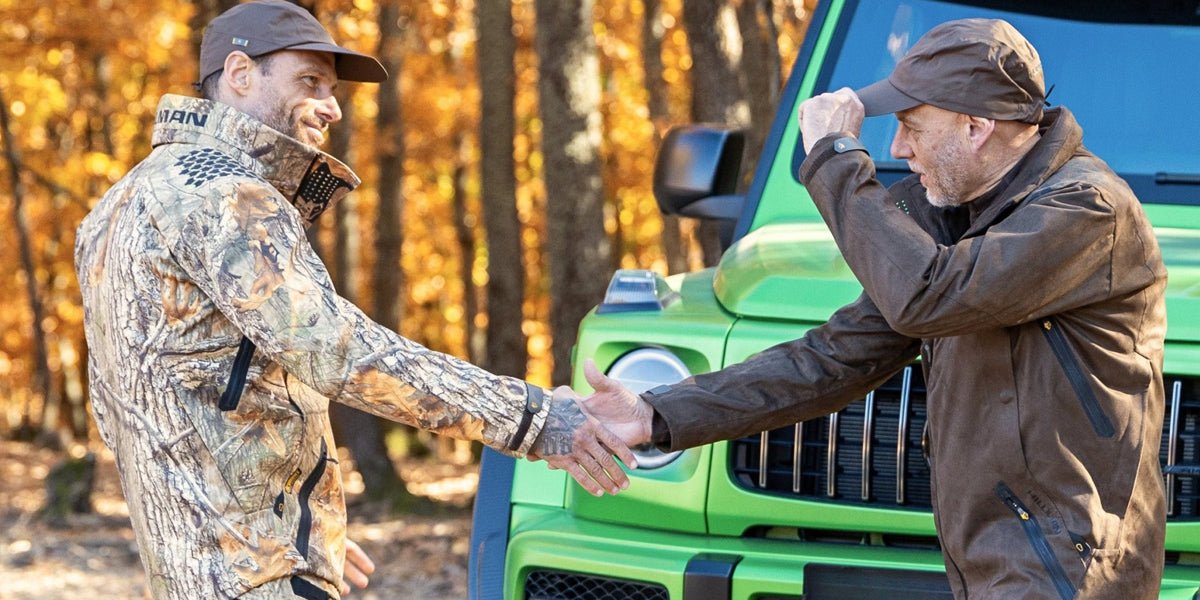
Hillman’s Fusion jacket is a good practical example of how waterproof membrane protection and insulated warmth can work together, while the 6OL winter coat, rated down to -20°C, shows why modern multi-layer insulation has become valuable for serious cold-weather hunting. For more active wet conditions, a waterproof and windproof shell such as the Argo SoftShell Jacket makes more sense when movement and breathability take priority over heavy warmth.
The decision is not shell versus insulation forever. It is about the day in front of you. A lightweight shell may prevent overheating during active hunts. A highly insulated jacket can be crucial when the cold is deeper, and the pace is slower.
Waterproof hunting clothes provide complete protection, not separate pieces

The phrase waterproof hunting clothes should not mean only the jacket. If the upper body stays dry but the trousers soak through, the system fails. If the boots leak, the feet chill. If the gloves get wet, the hands lose dexterity. Complete protection comes from pieces that work together.
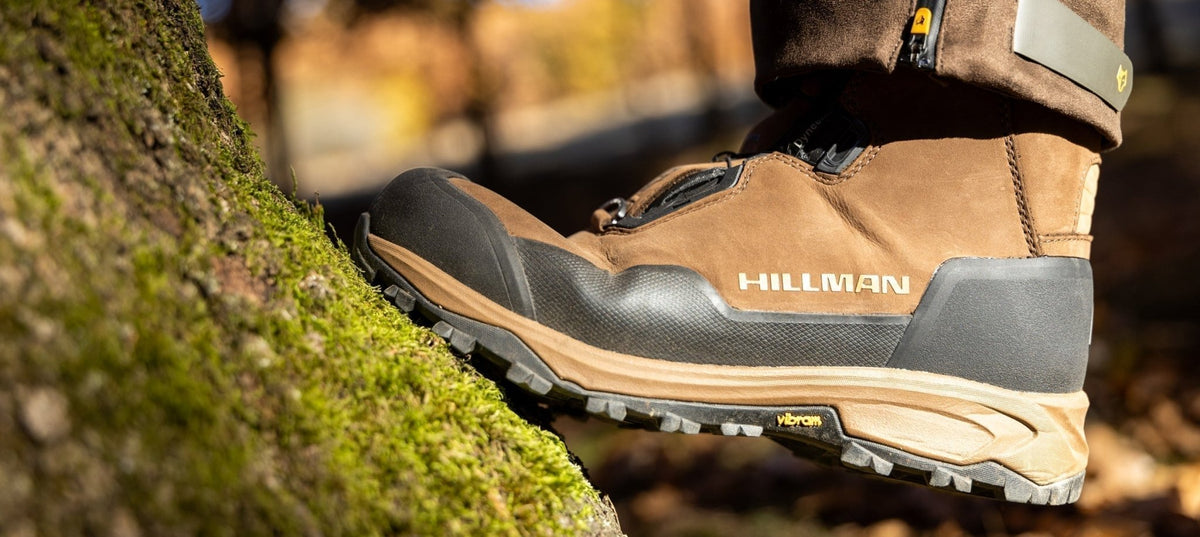
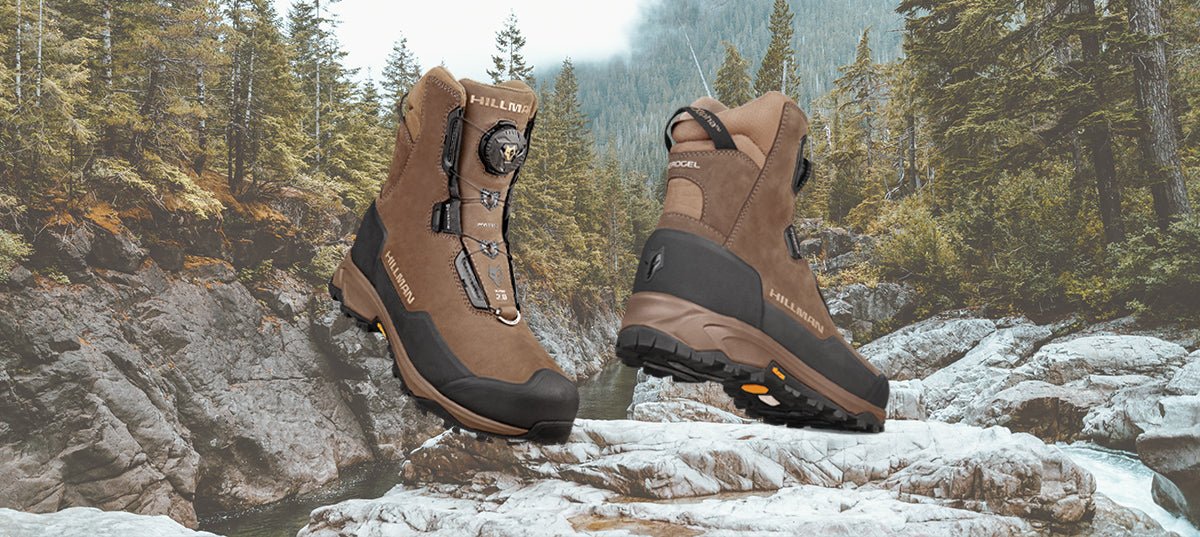
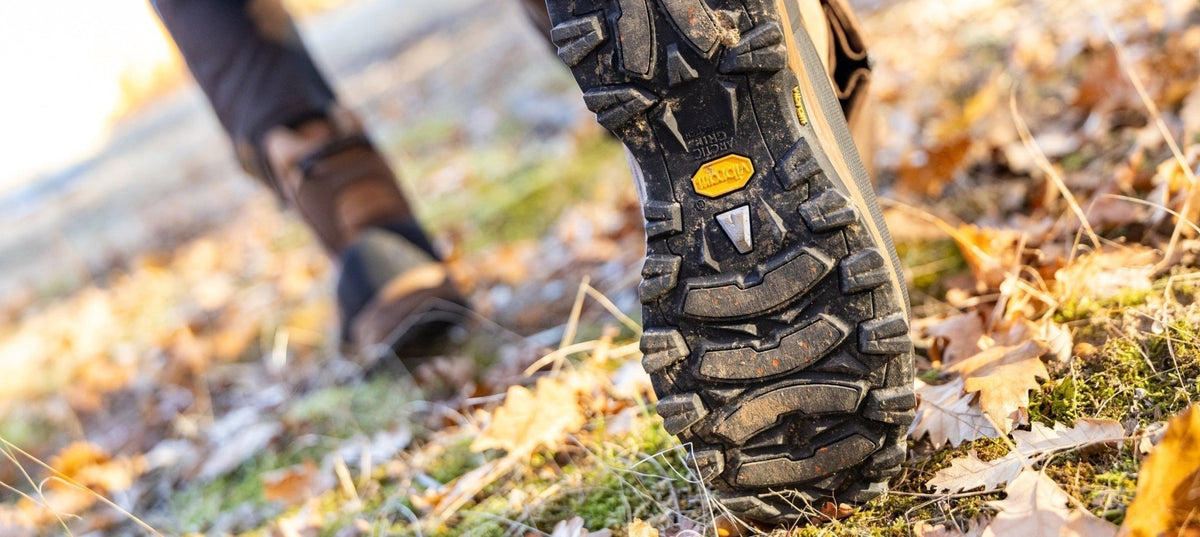
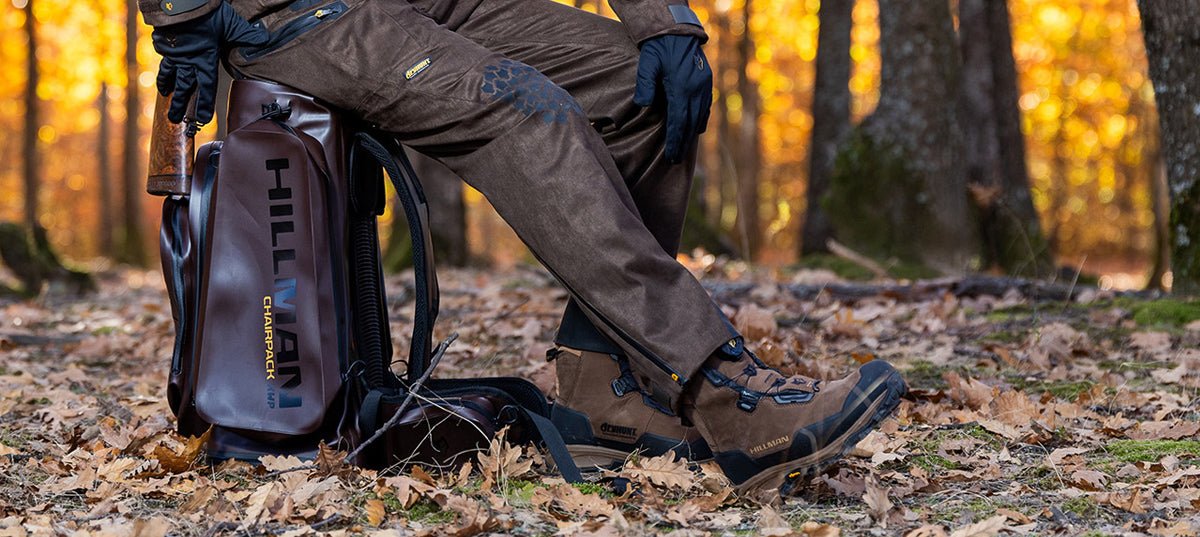
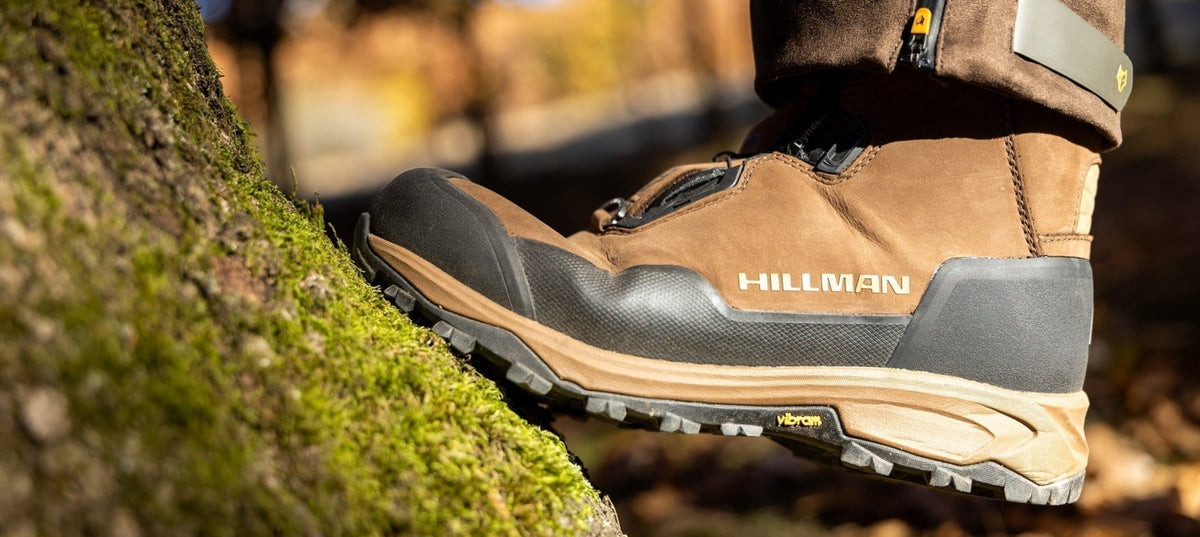
Waterproof hunting trousers need enough strength for kneeling, crossing rough terrain, and moving through wet vegetation. Boots should be insulated and waterproof when the ground is frozen, muddy, or covered in snow. Wool socks help manage warmth and moisture, especially when the foot warms during walking and cools during waiting. Gloves need insulation, but they also need enough feel for safe handling and shooting.
This is where many hunters improve their comfort dramatically without changing the jacket at all. Better socks, better cuffs, a smarter mid-layer, a warmer beanie, or a wind-blocking balaclava can make the same jacket perform better because the system around it is finally doing its part.
Mountain hunting clothing and the problem of changing weather

Mountain hunting clothing has to deal with a wider range of conditions than lowland clothing. The day can begin cold and still, turn warm on the ascent, shift into wind above the tree line, then finish with rain or snow. A jacket that works perfectly in the valley may feel wrong after an hour of climbing.
For mountain terrain, I want clothing designed around movement first, then weather resistance. Breathable base layers, a controllable mid layer, and a waterproof outer shell give more flexibility than dressing too heavily from the start. The legs matter as much as the torso. Trousers need articulation, weather resistance, and enough comfort for steep ground. Boots must support the ankle and protect warmth without becoming so heavy that every step feels expensive.
In mountain hunting, the best setup is rarely the warmest at the beginning. It is the one that keeps the hunter functional after conditions change.
Boots, wool socks, gloves and other essentials for cold mornings

Cold mornings usually attack the extremities first. The hands, feet, ears, and face lose comfort before the core does, and once that happens, concentration narrows. Insulated gloves are essential in cold-weather hunting, but they should still allow safe handling and enough feel for the task. A wind-blocking balaclava or fleece beanie can preserve heat without adding bulk to the jacket system.
Wool socks deserve more respect than they often get. They cushion the foot, help regulate moisture, and keep warmth more reliably than many basic socks. In wet forests, I prefer socks that work with the boot rather than simply adding thickness. Too much bulk can compress inside the boot and reduce warmth by limiting circulation.
Other essentials should be chosen with the same discipline. Lightweight spare gloves, a dry neck gaiter, a compact hat, and small shooting accessories can all improve the day, provided they do not clutter the pockets or restrict movement.
Men's shooting jackets, shooting smocks and rough shooting days
Men's shooting jackets and shooting smocks bring another layer of tradition and function into the conversation. Rough shooting often means mixed movement: walking, pausing, mounting the gun, crossing uneven terrain, and dealing with weather that changes across open ground and woodland edges. The clothing has to support that rhythm.
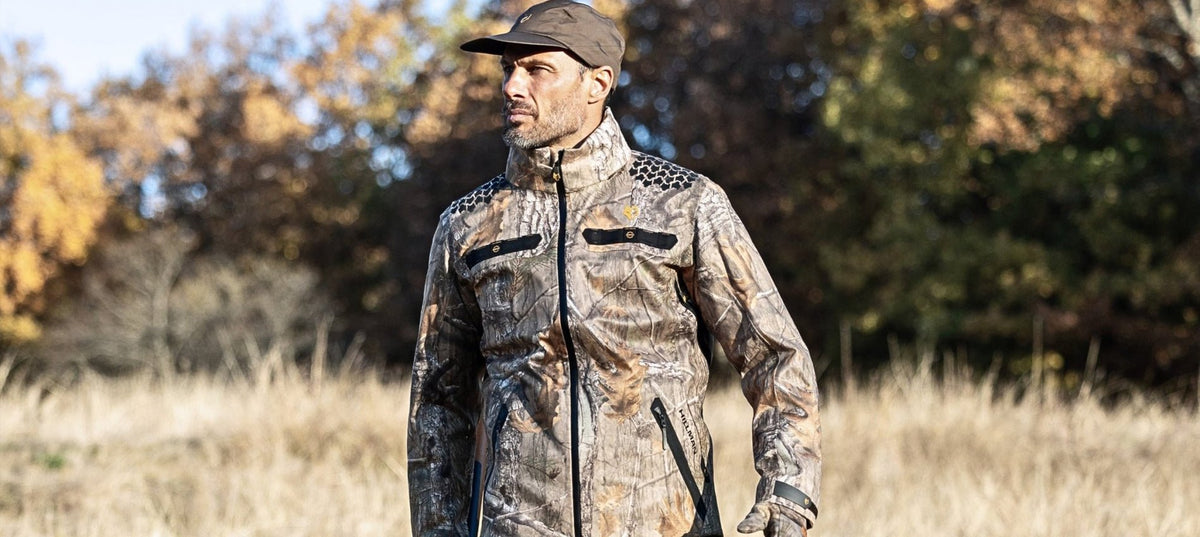
A shooting jacket should allow a clean mount, comfortable shoulder movement, and easy access to pockets. A smock can be useful when a simpler outer shape is preferred, especially in wet or windy conditions, but it still needs ventilation and enough space for the mid-layer underneath. Style matters to many shooters, whether the colour is green, camouflage, or another muted tone, but style cannot replace fit.
A jacket that looks right and blocks the weather but restricts the arm during the shot is not right for the work. Function has to lead.
Purpose-built hunting clothing for extreme conditions

Purpose-built hunting clothing earns its value when the conditions become awkward. Rain from above is one thing. Wet branches, snow, cold wind, frozen ground, mud, long waits, and sudden movement are other things. Purpose-built apparel should be quiet, protective, breathable, and cut for hunting rather than generic outdoor pursuits.
For extreme conditions, I think in layers of risk. What happens if rain becomes sleet? What happens if the climb is warmer than expected? What happens if the wind rises once I leave the trees? What happens if I have to stay still longer than planned? The clothing system should give answers to those questions before the hunt begins.
That does not mean wearing the heaviest clothes available. It means choosing a full range of layers that can handle cold, wet, and movement without forcing the body into sweat, stiffness, or chill.
Thoughts from the field
A jacket is still the piece most hunters notice first, and for good reason. It takes the weather directly. It protects the upper body. It carries the pockets, cuffs, hood, and outer fabric that define much of the day. But the jacket can only perform properly when the system beneath and around it is right.
Wet forests and cold mornings ask for discipline. Start with a base layer that moves moisture. Add a mid-layer that gives warmth without smothering breathability. Choose a waterproof or insulated jacket according to movement, temperature, and exposure. Complete the setup with waterproof trousers, reliable boots, wool socks, gloves, headwear, and other essentials that keep the body warm, dry, and mobile.
That is the real field test of cold-weather hunting gear. Not whether one piece looks impressive on its own, but whether every layer helps the hunter stay comfortable, focused, and ready when the weather changes.


Share: