How to Pack Hunting Clothing for Changing Weather Conditions

hunting clothing packing tips for changing weather: base layers, mid layers, jackets, trousers

How to pack hunting clothing for trips with changing climates. Learn how to manage layers, save pack space, and stay comfortable in unpredictable weather.

Most hunters don’t realise how difficult it is to pack for multiple climates until they are already halfway through a trip. The pack feels heavier than expected, the weather shifts faster than planned, and suddenly, the clothing that seemed sensible at home no longer fits the conditions in the field.

Packing hunting clothing for more than one climate is rarely about extremes. It’s about the in-between moments. Cold mornings that turn warm by midday. Light rain that stops and comes back with the wind. Long stretches of movement followed by long periods of stillness. This is where poor packing decisions start to show.

On longer hunting trips, especially during backcountry hunting, these small miscalculations add up. Extra weight drains energy. The wrong layers trap moisture. And once that happens, comfort becomes harder to regain than most people expect.

How to Pack Hunting Clothing for Changing Weather Conditions?

hunting clothing packing tips for changing weather: base, mid layers

The first mental shift is simple but uncomfortable. You are not packing outfits. You are packing responses to problems. Cold, heat, moisture, wind. Each piece of clothing should solve at least one of those, preferably more.

Most packing lists look good on paper and fail in practice. They assume perfect timing and predictable weather. In reality, hunting rarely follows a neat plan. Clothing that only works in a narrow window often stays in the bag, taking up space and adding weight.

What tends to work better is restraint. Fewer pieces, chosen carefully, that can be adjusted throughout the day. This approach saves space in the hunting pack and, more importantly, reduces the number of decisions you need to make when you are already tired.

Backcountry Hunting Trips Demand a Smarter Clothing Strategy

hunting clothing packing tips for changing weather: base layers

Backcountry hunting has a way of exposing weak systems quickly. Backcountry hunters carry everything with them, and there is very little margin for error once you are several miles from camp.

On multi-day trips, problems rarely appear on the first day. They show up later, often when the weather turns, or fatigue sets in. A jacket that doesn’t breathe well feels fine early on and miserable by day three. Pants that stay damp never quite dry when conditions stay cold.

After a few extended hunts, patterns become obvious. Hunters who last longer tend to pack less clothing, not more. The difference is that their technical apparel works together instead of competing for space.

Planning a Hunting Trip Across Multiple Climates

hunting clothing collections for changing weather

Every hunting trip includes predictable transitions, even if the weather itself is unpredictable. Mornings are colder. Midday movement generates heat. Evenings slow down, and temperatures drop again.

The mistake is treating each phase as if it requires a separate setup. That mindset leads to overpacking and constant frustration. In practice, most hunters spend far more time adjusting layers than fully changing what they wear.

When planning a hunting trip, it helps to think about how often you realistically want to stop and dig into your bag. Clothing that is awkward to access often stays unused, even when it would improve comfort.

Choosing Shooting Clothing That Works in Every Climate

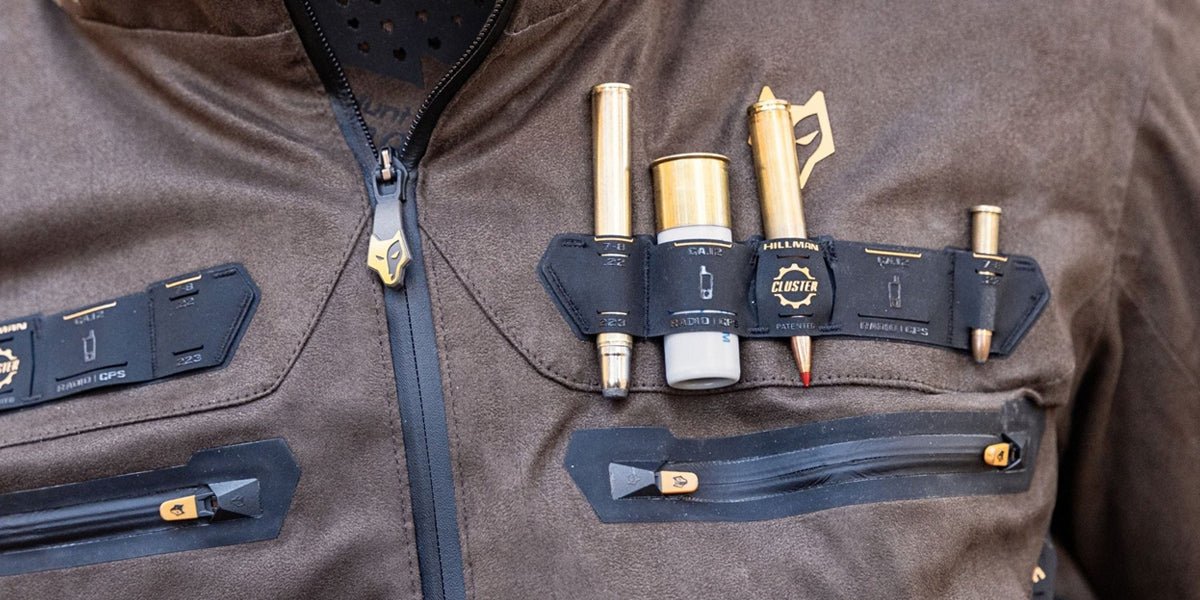
hunting clothing packing tips for changing weather: shooting rain jackets, trousers

Shooting clothing has a difficult job. It must protect against wind and rain without becoming a burden when you are moving. Poor shooting clothing often reveals itself gradually, not immediately.

Early on, everything feels acceptable. Later, stiffness, poor ventilation, or excess weight start to slow you down. Over a long day, those small inefficiencies matter more than most people expect.

Shooting Jackets and Trousers That Handle Wind and Rain

A shooting jacket that blocks wind while allowing heat to escape is more valuable than one that simply feels warm. The same applies to shooting trousers. Flexibility and weather resistance matter more over time than initial comfort.

Insulated pants and a lightweight puffy jacket earn their place because they add warmth efficiently. They come out when movement slows and disappear again when it resumes. That flexibility is what makes them useful across multiple climates.

Building a Layered System Instead of Packing More Clothes

hunting clothing packing tips for changing weather: layering system

Layering works because it follows how the body behaves rather than forcing it into fixed conditions. Heat builds, disappears, and builds again throughout the day.

A layered system gives you room to adjust without committing to extremes. It also reduces the temptation to carry clothing “just in case,” which is how packs quietly become too heavy.

Why the Right Base Layer Is the Foundation?

Base layers are often overlooked because they are rarely seen. But when they fail, everything else struggles to compensate. Moisture trapped against the body becomes a problem the moment you slow down.

Most people don’t notice this until they stop moving and feel cold far sooner than expected. A base layer that manages moisture well stabilises body temperature and makes the rest of the system work as intended.

How a Mid Layer Regulates Warmth Without Adding Bulk

The mid layer does one job well: it holds warmth without getting in the way. The best ones compress easily and recover quickly when worn again.

On trips with changing weather, this layer is used constantly. On, off, half-zipped, packed away, and worn again. Clothing that tolerates this cycle quietly earns its place.

Managing Moisture, Wind, Rain, and Snow in the Field

hunting clothing packing tips for changing weather: shooting jackets

Weather rarely announces itself clearly. Light rain combined with wind often feels worse than heavy snow. Clothing that handles moisture poorly amplifies this effect.

Staying functional matters more than staying perfectly dry. Clothes that continue to insulate when damp and dry reasonably fast tend to perform better over long periods.

Knowing when to vent layers and when to add protection is part of wearing your clothing system properly. It’s something most hunters refine only after a few uncomfortable trips.

Why Your Hunting Pack Matters as Much as Your Clothing?

hunting clothing packing tips: waterproof chairpacks

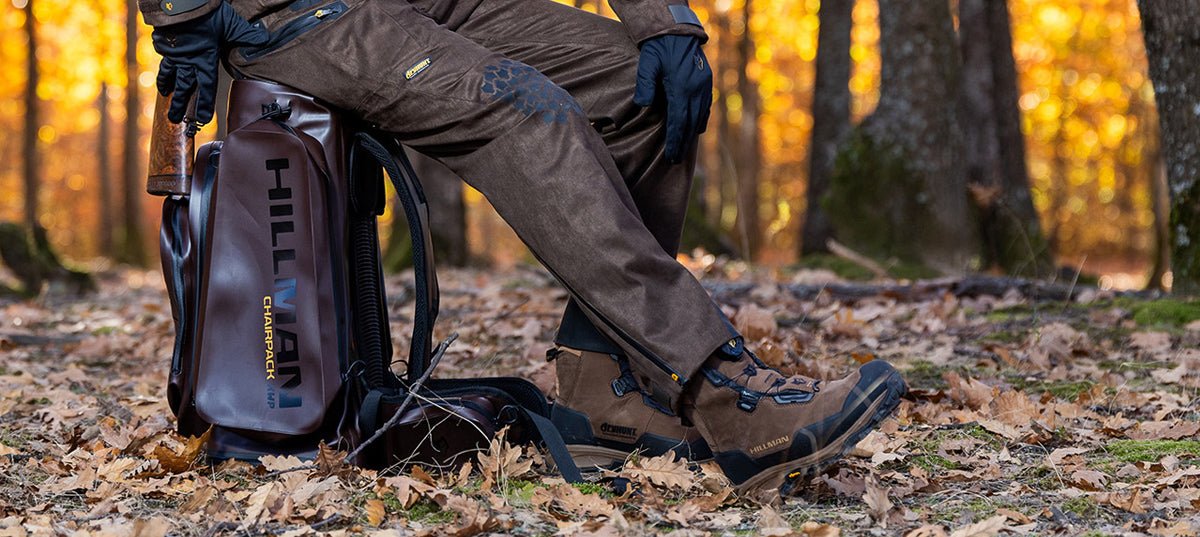
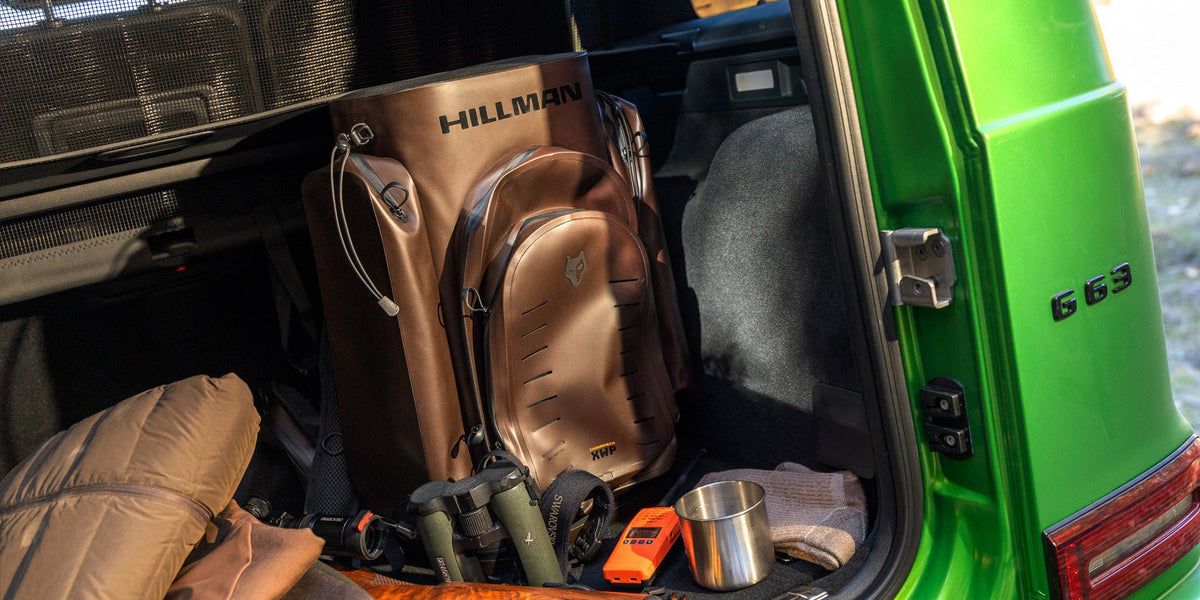
Your clothing system is only as good as the pack that carries it. A hunting pack that makes layers difficult to reach discourages smart adjustments.

Over time, this leads to pushing through discomfort instead of fixing it. On longer hunts, that habit becomes expensive in terms of energy and focus.

How to Pack Hunting Gear Without Overloading Your Pack?

Overpacking usually comes from uncertainty. Extra items feel reassuring at home and unnecessary in the field. Most hunters recognise this pattern only after their pack starts to feel heavier than it should.

Packing hunting gear effectively means trusting your system. When clothing overlaps in function and gear serves more than one purpose, weight drops naturally.

What Size Pack Do You Need for a 7 Day Hunt?

hunting clothing packing tips for changing weather: lightweight camo backpack

There is no perfect answer, which frustrates many people. Pack size depends on conditions, terrain, and how disciplined you are with clothing.

For a seven-day hunt, balance matters more than volume. A pack that is too small forces poor decisions. One that is too large quietly invites excess. Most hunters find the right balance only after a few trips.

How to Organize Hunting Clothes for Fast Layer Changes?

Organisation affects behaviour. When layers are easy to access, they get used properly. When they are buried, discomfort gets ignored.

Packing clothing by function rather than category tends to work better in practice. Over time, this becomes instinctive and reduces unnecessary stops.

What Makes a Good Hunting Pack for Backcountry Hunts?

hunting clothing packing tips for changing weather: backpacks

A good hunting pack carries weight without reminding you of it constantly. Comfort under load matters more than clever features.

For backcountry hunts, the pack becomes part of the system. When it works well, it fades into the background. When it doesn’t, it dominates the experience.

hunting clothing packing tips for changing weather: packable goose down pufferEssential Non-Clothing Items You Should Never Forget

Clothing handles comfort, but certain items handle problems. First aid supplies, tools for processing game, and small repair items rarely get attention until they are needed.

When they are missing, the trip changes quickly.

Packing Tips for Staying Comfortable in Any Season

hunting clothing packing tips for changing weather: layers, shirts

Packing hunting clothing for multiple climates is rarely perfected in one attempt. Most hunters adjust their system gradually, learning from what worked and what didn’t.

There’s no single setup that fits every trip. Conditions change, habits evolve, and experience fills the gaps that guides cannot. What matters is having a system flexible enough to adapt when plans stop matching reality.

Most hunters refine this over time, usually after a few uncomfortable trips.


Markus Holm
Author

Markus Holm

Expedition Hunter / International Field Specialist

Markus Holm writes about hunts where conditions change faster than the plan. Different terrain, unfamiliar species, poor weather, long approaches, missed signals from the field, these are the situations he is interested in. His work is less about perfect conditions and more about what hunters learn when the mountain, forest or weather does not cooperate.

Related blog posts

how to break in hunting boots, best socks to break in boots: waterproof, insulated boots leather

How to Break In Hunting Boots Before a Serious Hunting Trip?

Breaking in hunting boots is not about forcing stiff leather to soften overnight. It is about learning how the boots behave before rough ground, wet weather, and long hours start exposing problems. A proper break-in gives you time to sort heel movement, pressure points, socks, and support before the hunt becomes serious.

Read more

Best Hunting Rain Gear for Hunters (2025 guide) - Hunting Boots - Winter, Waterproof Gear | Men's Hunt Clothes

Best Hunting Rain Gear for Hunters (2026 guide)

The article reviews the best hunting rain gear for 2026, tailored for the unpredictable and often extreme weather conditions across the UK and EU. It emphasizes the importance of breathable, lightweight, quiet, and durable gear for different hunting styles and terrains. Hillman’s rainwear is highlighted as a top performer, outscoring competitors in versatility and weather resistance. The piece also offers practical tips on layering, gear maintenance, and choosing the right setup for woodland stalking, hill stalking, and driven shoots.

Read more

best hunting boots for mixed terrain guide: waterproof, insulated, hiking boots

Best Hunting Boots for Mixed Terrain Trips: One Pair or Two?

For mixed terrain hunts, there’s no perfect boot - only the one that stays stable, dry, and supportive as conditions change. One pair works if it’s versatile and reliable, but two pairs help in wet environments where drying time matters. In the end, fit, break-in, and real-world performance matter more than labels or categories.

Read more

how to choose hunting boots for unknown terrain & conditions: waterproof insulated footwear with reliable grip, ankle support, socks

How to Choose Hunting Boots for Unknown Ground Conditions

Choosing hunting boots for unknown ground is about balance rather than labels or reputation. When grip, fit, waterproofing, insulation, and support work together, boots fade into the background and allow natural movement as conditions change. The right pair keeps feet dry, stable, and comfortable over long hours, even when terrain and weather refuse to behave as expected.

Read more

lightweight hunting gear for frequent travel, layering system: breathable base layers, waterproof hunting jackets, accessories

Lightweight Hunting Gear for Hunters Who Travel Frequently

This piece explains why lightweight hunting gear matters for frequent travel, stressing that excess weight drains energy, slows movement, and disrupts focus. It highlights how adaptable, breathable, and packable clothing improves comfort in changing conditions and makes travel logistics easier. Ultimately, it argues that lightweight gear becomes a long-term investment because it reduces friction, simplifies decisions, and supports better performance in the field.

Read more

best hunting jackets for extreme temperature swings: insulated cold-weather jackets, waterproof warm weather jackets

The Best Hunting Jackets for Extreme Temperature Swings

Hunting in countries with volatile temperatures demands jackets that adapt as conditions swing from cold mornings to warm middays and back again. The best modern shooting jackets balance insulation, breathability, weather protection and movement without constant adjustment. Ultimately, versatility and fit matter more than any single feature, allowing hunters to stay focused on the field rather than the forecast.

Read more

hunting gear evolution: tradition and technology, leather, wool, waterproof boots, footwear, jackets

The Evolution of Hunting Gear: From Tradition to Technology

Hunting gear has evolved from heavy wool and leather into lightweight, technical equipment that improves comfort, safety, and performance in the field. While tradition once shaped clothing as much as function, modern materials now prioritise weather protection, mobility, and efficiency. Today’s hunters balance heritage and technology, adapting to changing conditions without losing respect for the sport’s roots.

Read more

hunting gear guide for international trip: clothes, bags, boots, accessories

Hunting Gear Guide: What to Pack for a Trip Abroad

Preparing for a hunting trip abroad is about packing trusted, practical gear that keeps you comfortable, focused, and ready for unfamiliar conditions. Prioritise reliable clothing, boots, optics, and simple field essentials over unnecessary extras. Thoughtful packing protects your energy, sharpens decision-making, and lets you enjoy the experience wherever you hunt.

Read more

best leather hunting boot

Best Leather Hunting Boot: Handcrafted for the Modern Hunter

The best leather hunting boots balance comfort, durability, and protection across any terrain or climate. Hillman’s handcrafted designs combine premium leather, waterproof membranes, and superior ankle support to keep hunters steady, warm, and dry through every season. Built for endurance rather than luxury, they turn harsh ground into steady footing and long hunts into lasting comfort.

Read more

most expensive hunting boots: not needed with Hillman

Most Expensive Hunting Boots vs Smart Design: Hillman's Approach

The most expensive hunting boots often sell image over innovation, but Hillman proves performance doesn’t need a luxury price tag. Built with smart design, breathable waterproof membranes, and superior ankle support, Hillman boots deliver warmth, grip, and comfort across the toughest terrain. For real hunters, they offer premium durability and protection at a fair, honest price: where smart engineering replaces unnecessary prestige.

Read more

tactical hunting boots: quality footwear for outdoor adventures

What Are Tactical Hunting Boots? Why Do Hunters Rely on Them?

Tactical hunting boots combine military-grade toughness with the comfort and flexibility hunters need in rough terrain and unpredictable weather. Built from durable leather and nylon with waterproof, breathable membranes, they offer superior grip, support, and all-day comfort. Reliable, protective, and long-lasting, they’ve become the go-to choice for hunters, law enforcement, and outdoor professionals alike.

Read more

hunting work boots for fields and forests

Hunting Work Boots Explained: Best Gear in Field and Forest

Hunting work boots are built for endurance, warmth, and grip, combining full-grain leather, insulation, and Dryhunt membranes to keep feet dry and supported in any terrain. They balance durability with comfort, providing stability, breathability, and protection whether you’re working the land or tracking game. In the end, they’re not just boots, they’re trusted companions built to carry hunters through every season and challenge.

Read more

FAQs

How do you actually pack hunting gear without ending up with a pack that’s too heavy?

Most people think they need discipline. What they actually need is trust in their system. Overpacking usually happens before the trip even starts, when everything feels important. Once you’ve carried unused gear for a full day, the lesson sticks. Clothing and gear that overlap in function quietly replace backups, and weight comes down without much effort.

What size pack really works for a seven-day hunt?

The answer usually depends less on the number of days and more on how comfortable you are leaving things behind. Some hunters manage seven days with surprisingly little space because they pack efficiently. Others fill any extra room they have. The pack doesn’t decide, habits do.

Is there a smart way to organise hunting clothes, or is it personal preference?

It feels like a preference until the weather turns quickly. Then organisation suddenly matters. Clothes that are easy to reach get used. Clothes buried at the bottom stay there. Most hunters eventually stop packing by category and start packing by function, usually after one too many stops just to dig out a layer.

What separates a good hunting pack from one that becomes a problem halfway through the trip?

You usually don’t notice a good pack at all. It carries weight evenly, doesn’t fight your movement, and lets you get to layers without frustration. A bad pack lets you know straight away and keeps at it. It might be tough enough, but if it pulls on your shoulders or shifts under load, that’s what you’ll remember after a couple of days.

Is it better to bring extra clothing or rely on layering when climates change?

Extra clothing feels reassuring at home. In the field, it mostly feels heavy. Layering works because it adjusts with you instead of forcing you into fixed conditions. Most hunters come to this conclusion after carrying items they never put on, then repeating the same mistake once more just to be sure.

How do hunters stay comfortable when the weather keeps shifting all day?

You don’t wait until you’re already cold or damp. Crack a zip before you heat up, throw a layer on before you start cooling off. It’s small stuff, done early. If you leave it too late, you’re just chasing it the rest of the day.

Does clothing choice really make that much difference on longer hunts?

Not on the first day. That’s the tricky part. Problems show up later, when damp fabric never quite dries and small discomforts stack up. On extended hunts, clothing doesn’t just affect comfort: it affects how long you stay sharp.