
What to Do With Wet Boots, Jackets, and Hunting Gear After a Wet Hunt

There is a particular silence after a wet hunt. The rifle is put away, the dog has stopped shaking rain across the floor, and the hallway suddenly fills with the smell of mud, wet leather, damp fleece, and cold grass. My boots usually stand by the door with clay in the soles, the jacket hangs heavy from the shoulders, the gloves are still wet at the fingertips, and the pants have that dark line across the knees where dense cover has pressed water through every weak habit in my aftercare. That is the moment when the hunt is not quite over.
After a wet day, I do not simply throw hunting gear into a corner and hope it will be ready by next weekend. I clean off the mud, separate wet layers from dry ones, open everything that needs to breathe, dry boots slowly, wash technical clothing only when needed, restore water repellency when the fabric stops beading, inspect seams and zips, then store everything only when it is completely dry. That routine protects waterproof membranes, leather, insulation, reinforced seams, and breathable fabrics from the kind of damage that usually starts at home, not in the field.
This matters most to serious hunters, outdoor enthusiasts, deer hunters, bird hunters, stalkers, shooters, high seat hunters, and anyone who spends long hours in wet conditions, muddy ground, cold weather, long rain, warmer days, or unpredictable weather conditions. A wet hunt tests the gear, but careless drying, strong detergents, direct heat, and damp storage decide whether that gear will still stay dry, quiet, warm, and dependable next season.
Why Wet Hunting Gear Needs Attention Before It Dries Badly?

Waterproof clothing is not magic. It works because several parts do their job together: a durable outer fabric, a breathable membrane, seam sealing, zips, cuffs, ventilation, and enough breathability to let sweat escape while rain stays out. Once mud, sweat, blood, smoke, detergent residue, or fabric softener clogs that system, the jacket may still look fine, yet it will not perform the same in the rain.
The same is true for boots. Leather can crack if it is dried too aggressively. Insulation loses warmth when it stays damp. Seam tape can suffer if it is repeatedly exposed to strong heat. Soft outer fabrics, especially those chosen because they are quiet against branches and brush, can stiffen or wear badly if they are left dirty for too long.
I have seen good rain gear ruined not by one hard season, but by one bad evening beside a stove. Direct heat feels efficient because the surface dries fast, but it can punish the parts of the garment that make the real difference in wet terrain. The better habit is slower, less dramatic, and far more reliable.
First Steps After the Hunt: Mud, Moisture, and Inspection
The first thing I do is separate the wet from the dry. Base layers, fleece, gloves, pants, jackets, and boots all hold moisture differently, so I do not leave them packed together in a vehicle, game bag, or sealed box. I empty pockets, open zips, loosen adjustable cuffs, pull out anything that might trap moisture, and hang the heavier clothing where air can move around it.
Mud comes off before it hardens. A soft brush is usually enough for boots and outer clothing once the worst of the wet soil has loosened. I avoid scrubbing technical fabric as if I am cleaning farm tools, because abrasion can harm the face fabric and reduce its quietness over time. Blood, heavy dirt, and plant debris need attention, but not panic.
This is also the right moment for inspection. I look at cuffs, elbows, shoulders, knees, seat areas, pack contact points, pocket openings, and the lower leg where thorn, stone, and wet brush do most of their work. Rain finds small failures first, and a loose seam or damaged zip is easier to deal with before the next trip than during a long sit in cold rain.
How to Clean Waterproof Hunting Boots Without Ruining Them?

Good waterproof hunting boots earn their place slowly. They carry weight over slippery banks, rocky terrain, muddy fields, and long walks, often while the rest of the body is fighting rain, sweat, and cold. After a wet hunt, I treat them as equipment, not footwear that can be abandoned beside a radiator.
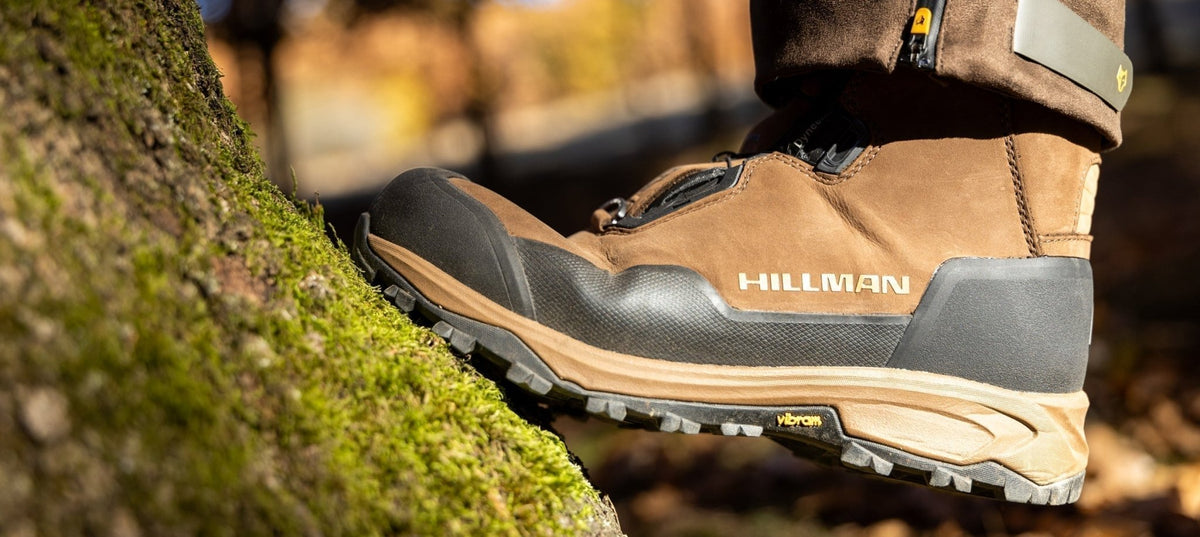
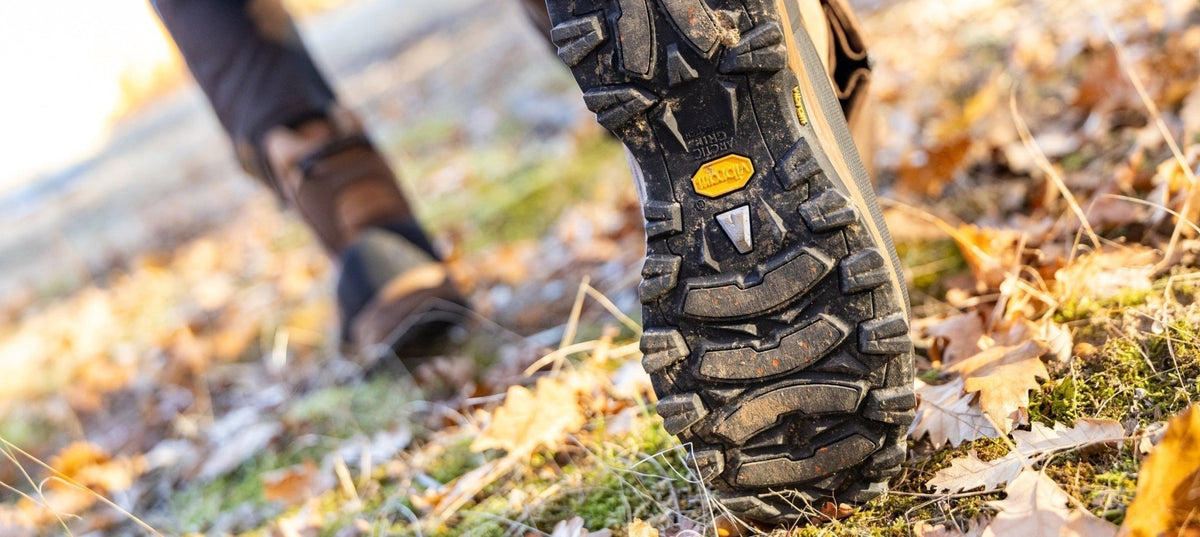
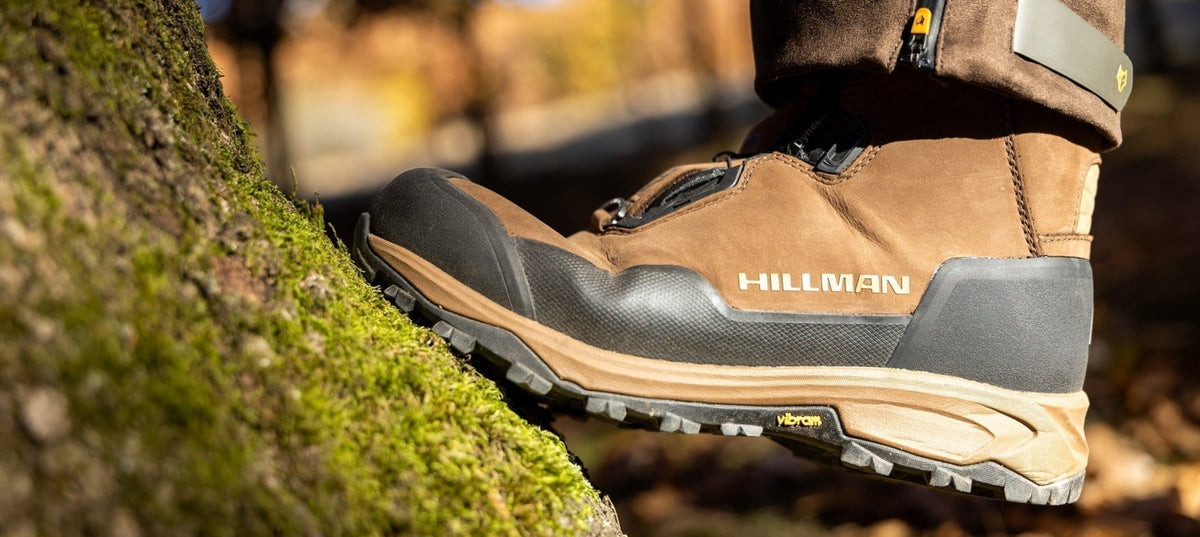
I start by removing mud from the sole, welt, tongue, and lace area with a soft brush and clean water. Deep, multi-directional cleated soles are excellent on wet terrain, but they also trap clay and grit, so I clear them properly before the mud dries like concrete. I remove the insoles, loosen the laces, and open the boot as much as possible without forcing the shape. Then I let them dry slowly at room temperature.
If I use paper inside the boots, I change it once it has absorbed moisture. A gentle boot dryer with airflow can help, provided it does not run hot. Fireplaces, radiators, heaters, and strong direct heat are where boots often lose years of service in a single night.
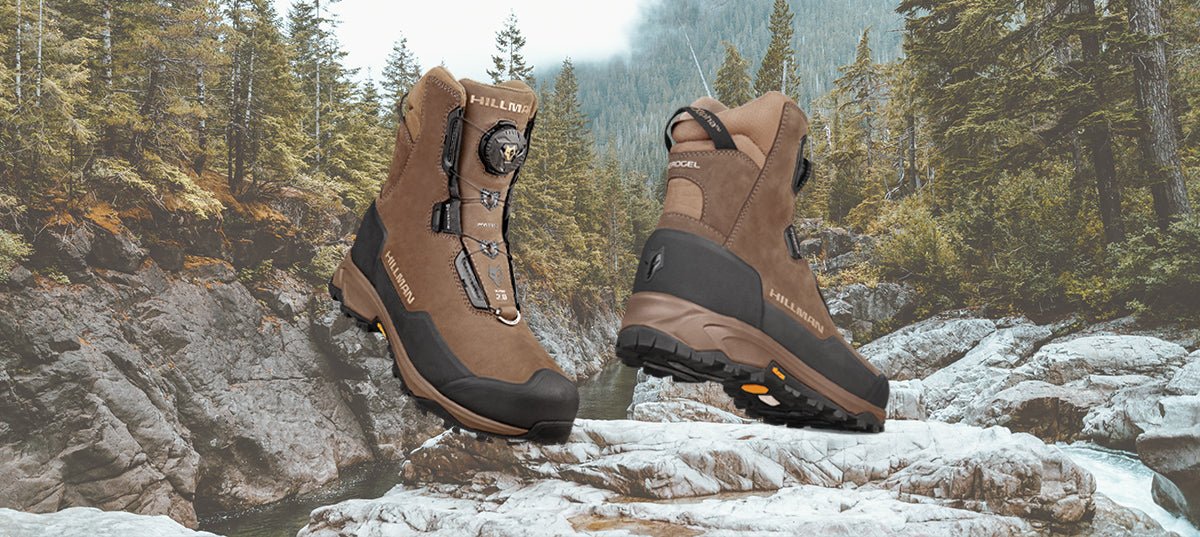
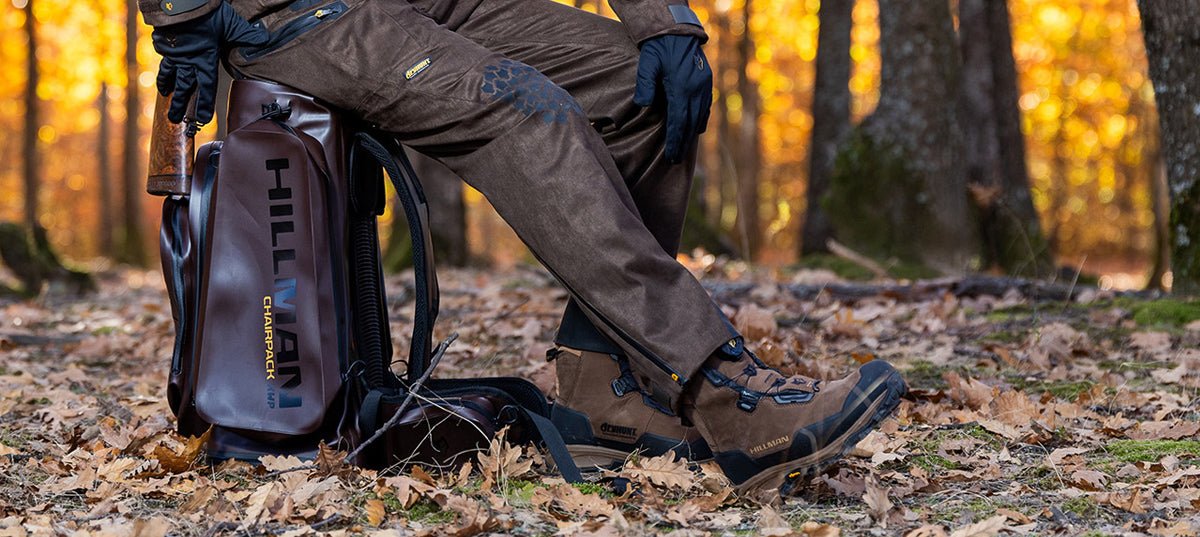
The same care applies whether someone prefers lightweight stalking boots, supportive mountain boots, or waterproof hunting boots for men built for late-season mud and cold. Full-grain or Nubuck leather can offer durability and natural water resistance, but it still needs suitable conditioning rather than random oils or heavy waxes that may affect breathability. I also check ankle support, sole bonding, stitching, rand areas, and any sign that water is entering where it should not.
What to Do With a Waterproof Hunting Jacket After Heavy Rain?

A waterproof hunting jacket should not be left crushed in a pack, boot tray, or vehicle after heavy rain. I shake off loose water and mud, hang it on a broad hanger or rail, open the main zip, and allow air to move through the garment. If the jacket has pit zips, I open them during drying, because ventilation points collect sweat and moisture after active stalking or long climbs.
Before washing, I close zips, fasten flaps, and secure adjustable cuffs, then follow the care label. For technical jackets, cold water and non-bio detergent are usually the safer route. I avoid fabric softener completely because it can interfere with the breathable membrane and leave residues that reduce performance in rain.
I also check the hood, pocket openings, reinforced seams, cuffs, and shoulder areas. Those parts take abuse from packs, shooting positions, crawling, kneeling, leaning against a high seat, and pushing through dense cover. A jacket can still look presentable while quietly failing at the seams.
Hunting Rain Gear and the Problem With Direct Heat

A wet hunting rain jacket can tempt even careful hunters into bad decisions. After a long day in the rain, there is a strong urge to dry everything as fast as possible, especially if the next morning starts early. That is exactly when rain gear gets damaged.
The best hunting rain gear is usually built around a balance of waterproof protection, breathability, low weight, quiet movement, and durability. Strong heat can disturb that balance by stressing membranes, seam tape, and outer fabrics. It may also make soft hunting jackets feel stiffer or less comfortable, especially in areas designed for movement.
Air drying away from direct heat is slower, but safer. I hang rain gear where it can breathe, not where it can bake. In wet UK and European conditions, and in places with Pacific Northwest levels of persistent rain, that habit makes a visible difference over time.
When Rain Stops Beading: Restoring Waterproof Protection

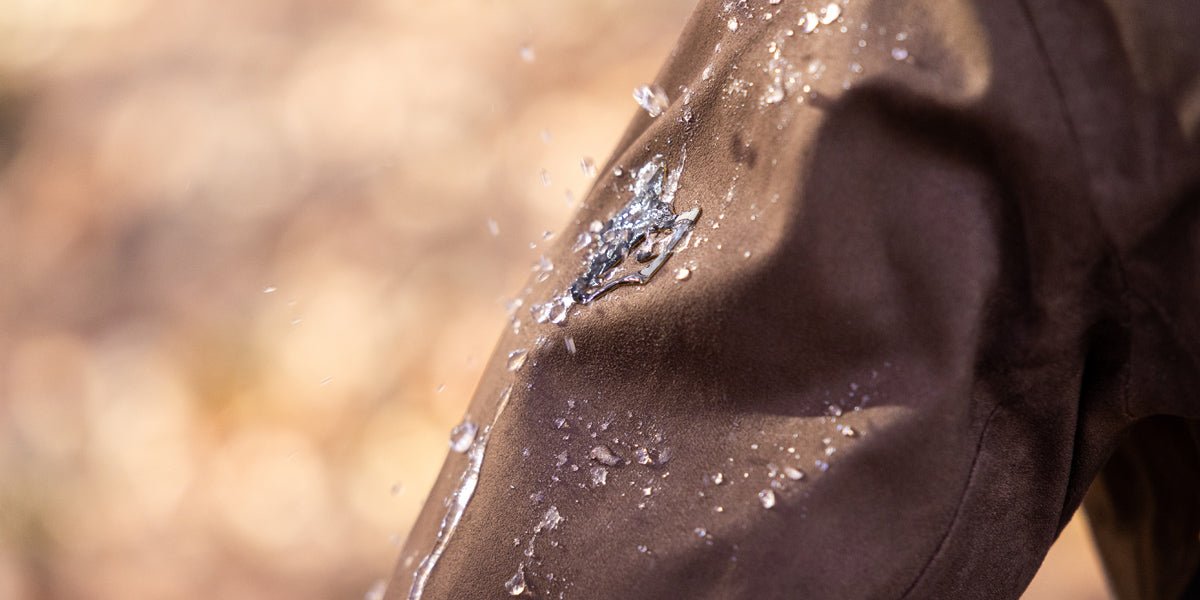
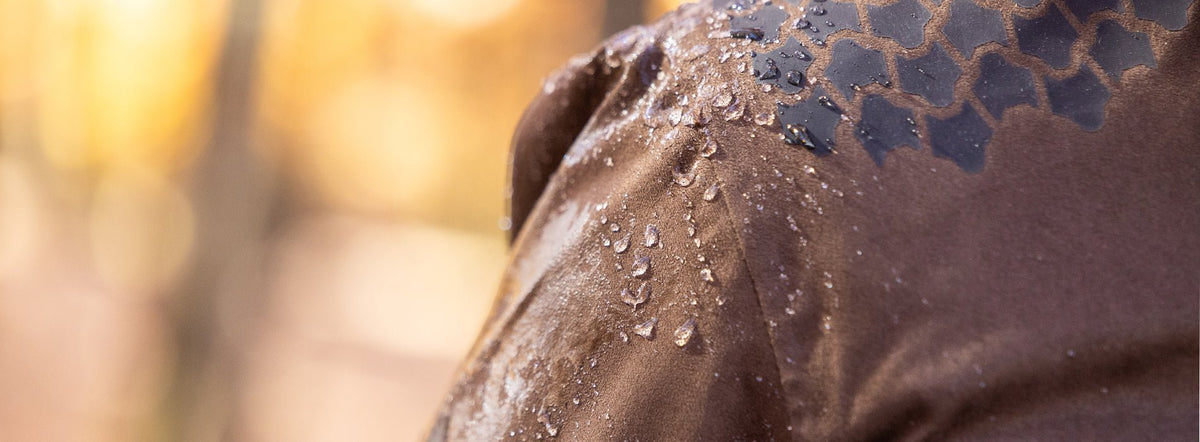
After enough use, even good waterproof hunting gear may start to wet out on the surface. That does not always mean the membrane has failed. Often, the water-repellent finish on the outer fabric has worn down, so rain no longer beads and rolls off. Instead, the fabric absorbs water, becomes heavier, feels colder, and limits breathability.
This is where reproofing matters. I look for the simple sign: if clean rain no longer beads on the jacket or pants, and the outer fabric darkens quickly, the garment may need a suitable water-repellent treatment. The care label matters here because not every fabric wants the same product or process.
The goal is not to seal the garment like plastic. The goal is to restore surface protection while keeping the fabric breathable enough to let sweat and moisture escape during exertion.
Washing Waterproof Hunting Clothes the Right Way

I do not wash waterproof hunting clothes after every light use, because unnecessary washing creates wear of its own. Airing is often enough after a dry or mildly damp day. After sweat, mud, blood, smoke, or heavy rain, washing becomes part of maintenance rather than cosmetics.
Cold water, non-bio detergent, and a proper rinse are the safest habits for most waterproof clothing. I avoid harsh laundry products, stain removers used without care, and fabric softeners. Those may smell clean in the utility room, but they can reduce breathability and compromise the surface performance of technical fabrics.
Mud should be brushed off first, not ground deeper into the weave. Blood needs careful cleaning, but I still avoid aggressive scrubbing across membranes and seam areas. Once washed, clothing should air dry properly before it goes anywhere near storage.
Base Layers, Fleece and Gloves: Moisture Close to the Body

Outer rain gets most of the blame, yet sweat close to the body can make a hunter feel just as cold. Base layers, fleece, and gloves often hold body moisture, scent, and chill after wet conditions. If they are packed damp with jackets and pants, they can make the next outing uncomfortable before the weather has done anything at all.
I dry base layers separately, wash them when sweat has built up, and keep fleece away from mud-heavy outerwear. Gloves need special attention because fingers notice cold first, especially during high seat hunting or slow stalking. A damp glove can steal focus at the exact moment when stillness matters.
Warmth is not only about insulation. It is about keeping moisture moving away from the body, maintaining breathability, and wearing layers that do not trap sweat during long walks, then freeze during a quiet wait.
Hunting Jackets, Pants and Shooting Jackets: Checking Seams, Zips and Wear Points

Hunting jackets, shooting jackets, waterproof jackets, and pants all wear in predictable places. Shoulders suffer under pack straps. Elbows and cuffs meet branches, bark, and wet ground. Knees and seat panels take the pressure of kneeling, crawling, sitting, and shifting position. The lower legs collect thorns, mud, and water from the grass.
I pay close attention to reinforced seams, because they are easy to ignore until rain starts finding them. Quiet, soft fabrics are valuable for stalking and woodland hunting, but they still need inspection after contact with dense cover. Camouflage finish, green outer fabric, waterproof zippers, pocket flaps, and ventilation points all deserve a quick look before the garment disappears into storage.
Weight and versatility matter too. Lightweight rain gear is useful for active hunting and warmer days, while heavier clothing may offer more warmth and protection in the late season. The right balance depends on terrain, season, pace, and demands, not on what looks most technical on a hanger.
Wet Boots in Late Season and Cold Weather
Late-season wet is different. Rain mixes with cold ground, wind, and long periods of stillness. On a high seat, insulated boots can help preserve warmth during a long wait, especially when the body is no longer generating heat through movement. During active stalking, however, uninsulated boots may breathe better and reduce sweat, particularly on warmer days or over long walks.
This is why boot choice should match hunting style. A hunter crossing muddy fields, climbing rocky terrain, or moving through wet cover needs grip, ankle stability, and enough comfort for long hours. A hunter sitting in cold rain needs insulation, dry socks, and boots that stay dry from the inside as well as the outside.
Damp insulation loses performance quickly. I never start the next hunt with wet insoles if I can avoid it, because feet that stay dry and warm help me stay focused when the weather turns poor.
Essential Features to Protect Before the Next Season

The essential features worth protecting are not complicated, but they are easy to neglect. I check the breathable membrane, fully waterproof construction, reinforced seams, adjustable cuffs, pit zips, waterproof zippers, deep cleated soles, ankle support, lightweight construction, soft, quiet fabric, durable outer materials, and camouflage finish.
I care less about brands than about whether the equipment still performs in the field. Does the rain jacket breathe during exertion? Do the boots grip on wet terrain? Do the pants move quietly through the brush? Does the fleece still offer warmth without holding too much moisture? Does the full collection of clothing work together, or has one tired piece started to weaken the system? Those questions matter before the first serious trip of the season, not after the weather has already closed in.
How Storage Affects the Next Hunt?
Never store wet gear in a sealed bag. That is one of the simplest rules I know, and one of the most often ignored. Jackets, rain gear, pants, gloves, boots, and base layers all need to dry fully before storage. A pack left damp in a vehicle can smell bad within days and perform badly for much longer.
I store clothing in a cool, dry place with enough room that insulation is not crushed unnecessarily. Boots stay shaped and ventilated. Zips are not forced. Gloves are paired only when dry. Packs are emptied so hidden moisture does not sit against fabric, straps, or seams. Before the next wet hunt, I want gear that is ready, not gear that still carries the last hunt inside it.
Thoughts From the Field
A wet hunt is honest. It shows which jacket breathes, which boots grip, which gloves fail, which layers hold sweat, and which small comfort details make the difference between patience and frustration. Yet the real test continues at home, in the way the gear is cleaned, dried, restored, inspected, and stored.
The hunter who takes care of wet boots, jackets, and clothing protects more than fabric. He protects waterproofing, breathability, warmth, quietness, mobility, and confidence. Hillman builds gear for hunters who know that weather is part of the work, but even the best equipment lasts longer when the aftercare is as serious as the hunt itself.

Share: