What Hunters Overlook When Travelling Abroad (and How to Avoid Gear Failure)

what hunters overlook travelling abroad: hunting gear, clothing, boots for wild boar roe deer

What hunters often overlook when travelling abroad, from gear failure to regulations, animal behaviour, and preparation that quietly decides success.

Hunting abroad is one of those ideas that sounds cleaner in retrospect than it ever feels in the moment. Different countries, different species, unfamiliar rules. People talk about the adventure later, but they rarely talk about how uncertain the first days actually felt.

Most hunters don’t fail because of one big mistake. It’s usually smaller than that. Gear that worked perfectly in the past suddenly feels wrong. A hunting trip planned around assumptions instead of reality. Regulations are read too quickly. None of this feels critical at the time. It only becomes obvious once things start slipping.

A successful hunting trip abroad is often decided quietly, long before departure.

When Small Mistakes Stop Being Small

what hunters overlook travelling abroad: hunting gear, boots for wild boar roe deer

At home, mistakes are forgiving. Abroad, they are not. When equipment fails locally, you improvise. When the same thing happens overseas, hunting days disappear quickly.

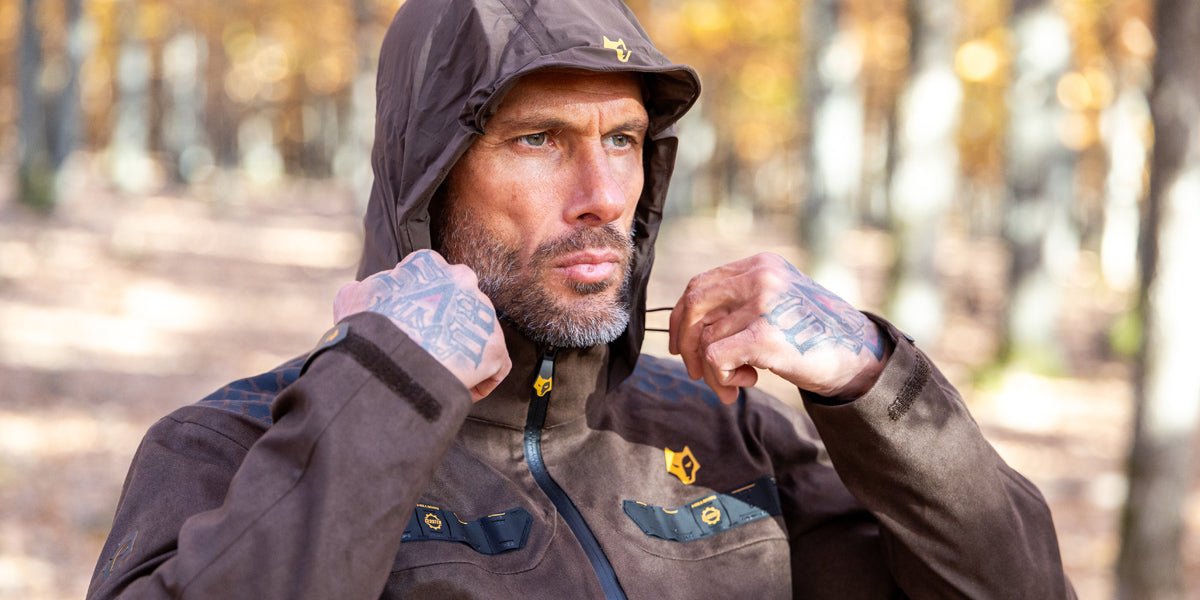
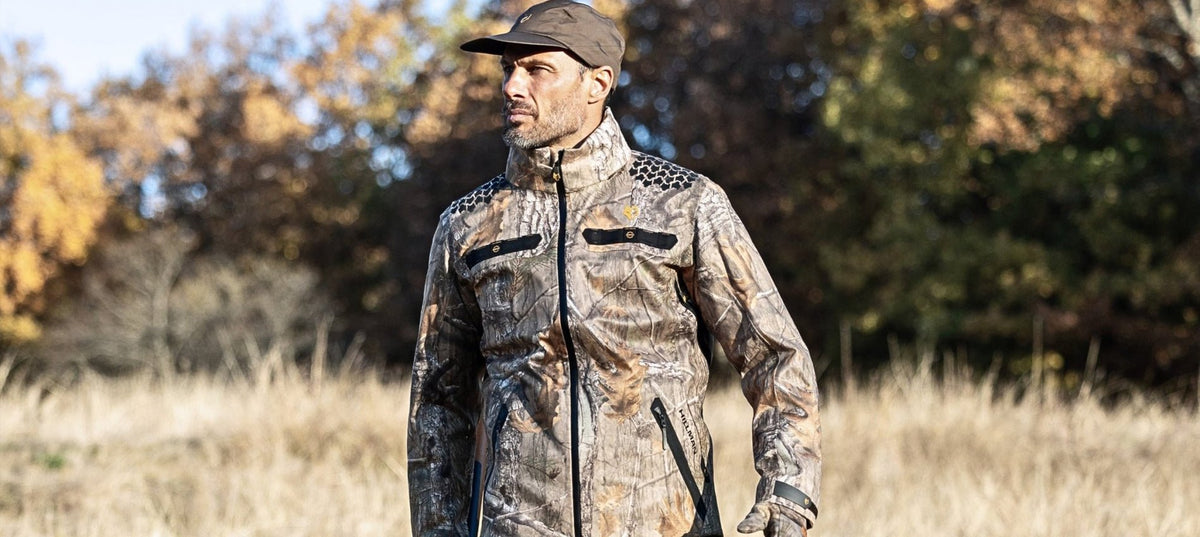
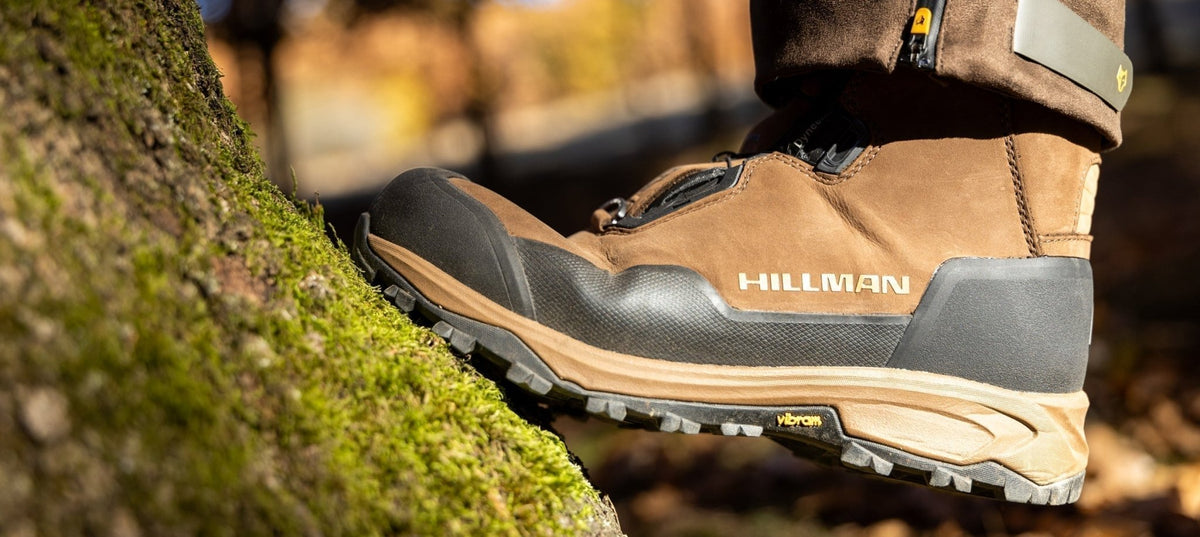
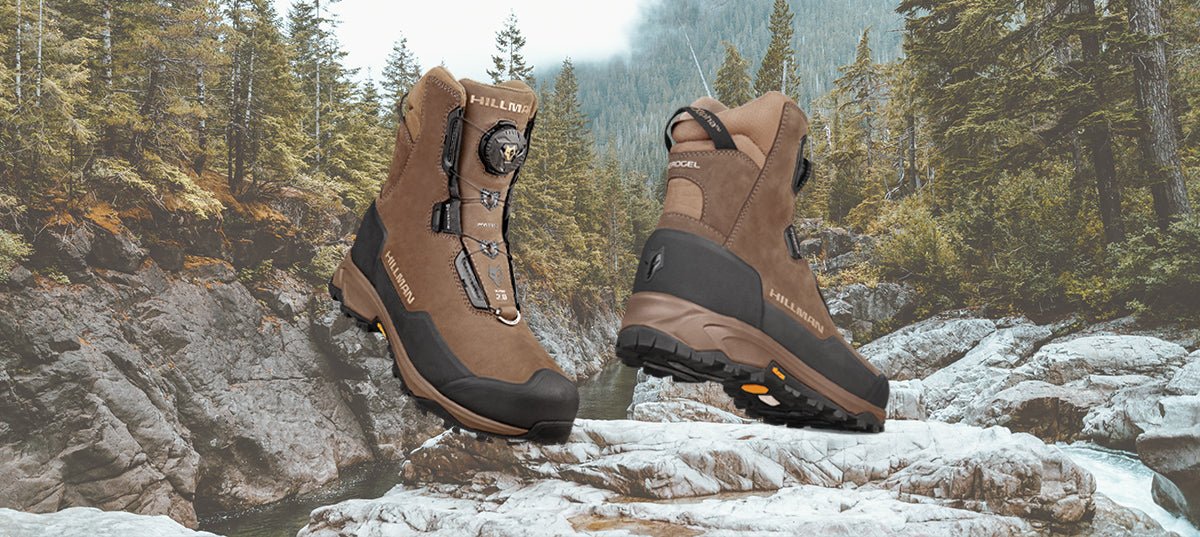
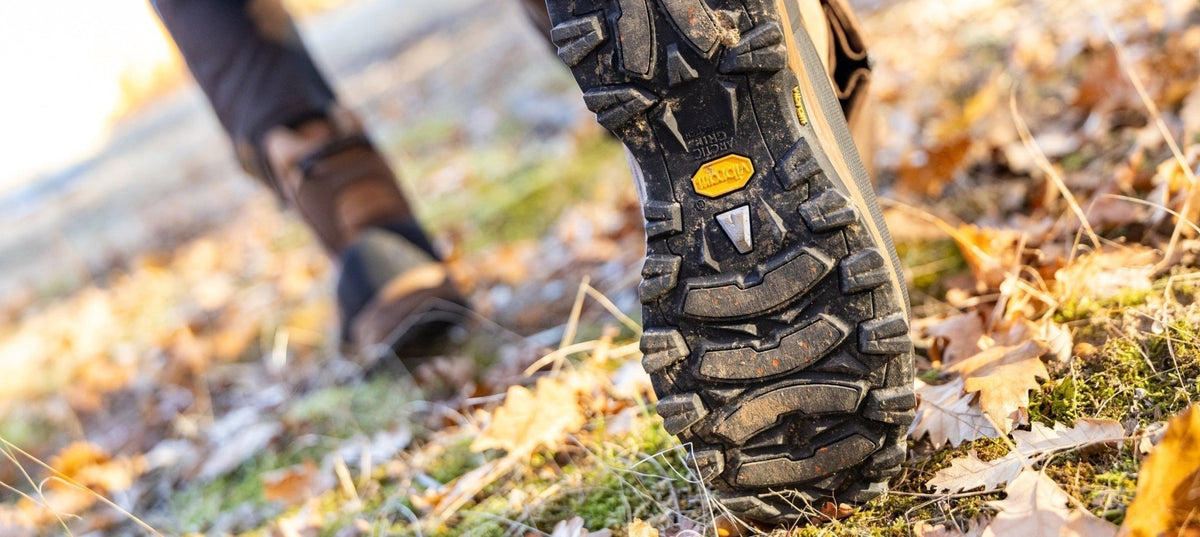
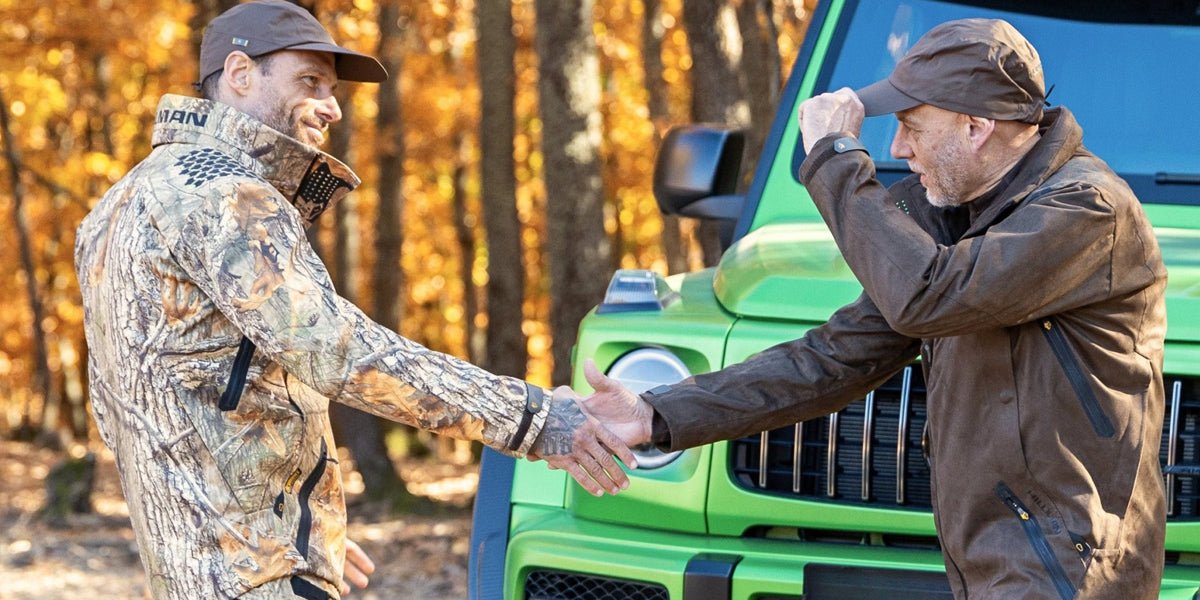
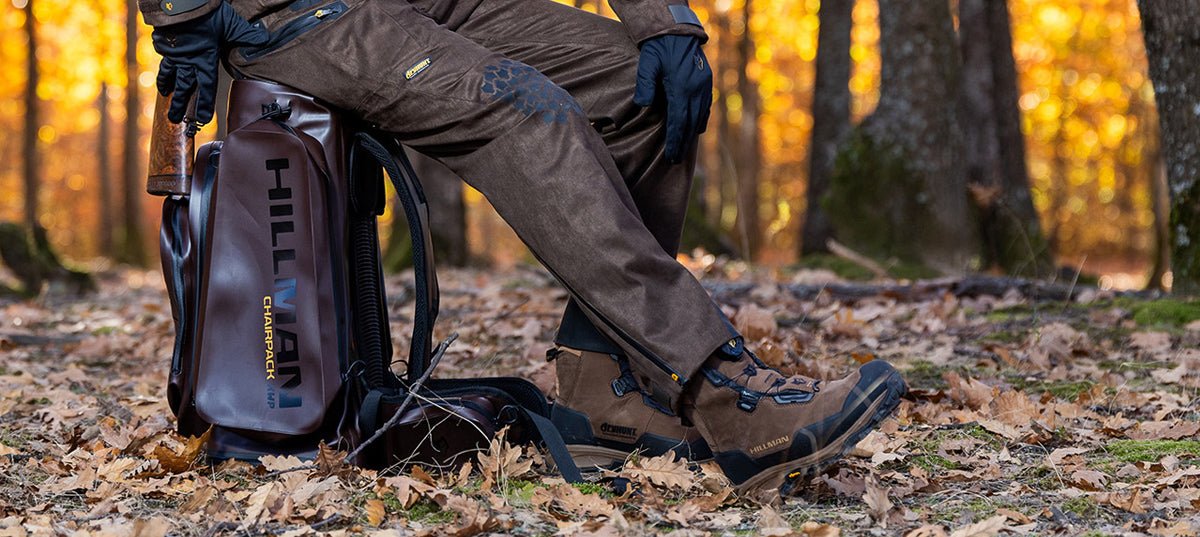
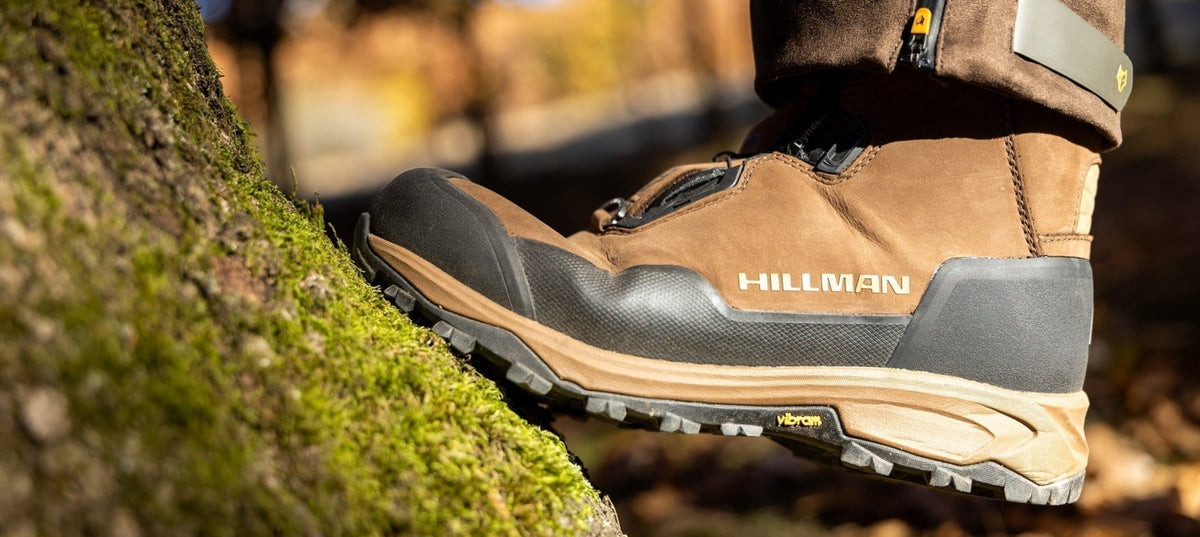
The wrong gear is the most common example. Clothing that feels fine on short outings starts to break down during long hiking days. Packs shift. Boots rub. Equipment that has never been stressed outside familiar conditions becomes a distraction instead of support.

Cost matters too. Replacing gear abroad is rarely simple. In many destinations, there are no nearby shops, no familiar brands, no easy fixes. Risk increases without announcing itself.

This is usually when hunters start realising how much they assumed.

Animals Abroad Don’t Behave the Way You Expect

what hunters overlook travelling abroad: hunting gear, clothing, boots for wild boar roe deer

Game animals are not random, but they are not predictable in the same way everywhere. Wildlife populations adapt to pressure over time. Mature animals, especially, learn quickly.

Wild boars are a good example. During a wild boar hunt, animals often leave pressured areas for a few days and return once activity drops. Roe deer and fallow deer behave similarly, especially older bucks that have survived multiple seasons.

Many hunters respond by moving more. More hiking. More ground covered. In reality, patience often works better. Animals return. Feeding patterns resume. The hardest part is waiting long enough to see it happen.

This is something most hunters only understand after they’ve already walked too far.

The Physical Side of Hunting Abroad Is Easy to Underestimate

what hunters overlook travelling abroad: hunting jackets

On paper, most hunting trips look manageable. In practice, hunting abroad is physically demanding in quieter ways. Long days, uneven ground, mountain terrain, and constant focus add up.

Staying hydrated matters more than people admit. Travel fatigue, excitement, unfamiliar food. It all contributes. Dehydration reduces patience and concentration long before it feels serious.

Practicing shooting before departure helps, but it doesn’t solve fatigue. Successful hunts often come down to a single moment late in the day, when focus is already thin.

This is usually when phones go back into packs, and distractions finally disappear. Undivided attention becomes necessary, not optional.

Gear Failure Rarely Starts in the Field

what hunters overlook travelling abroad: hunting gear, accessories

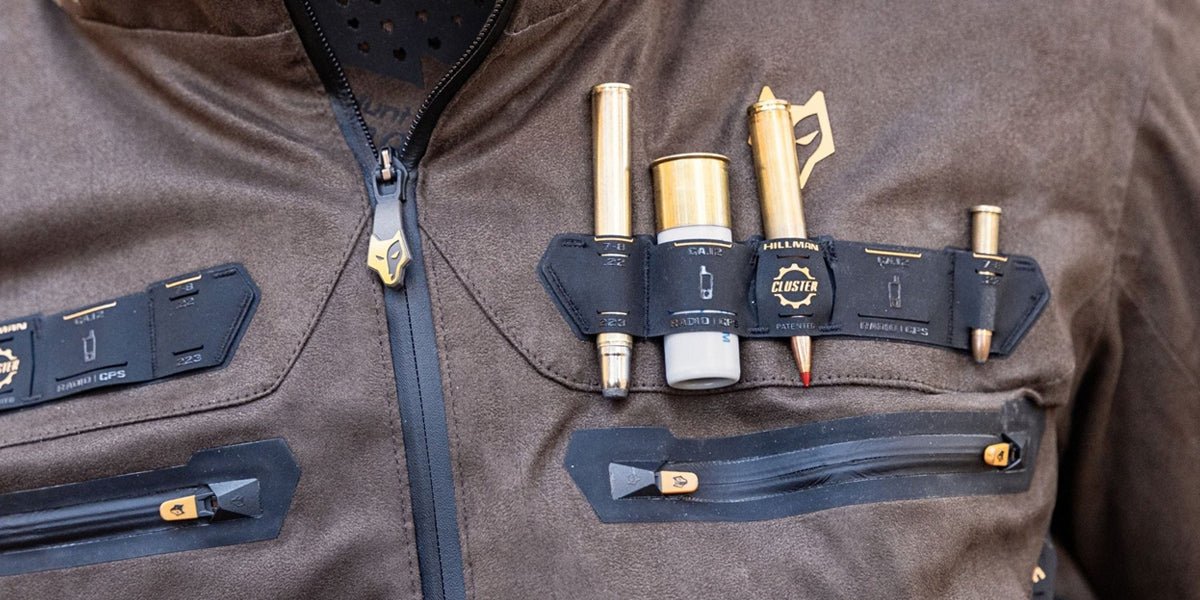
Most equipment problems begin before the hunt. Rifles not checked since last season. Clothing worn once and assumed ready. Packs never loaded to full weight before travel.

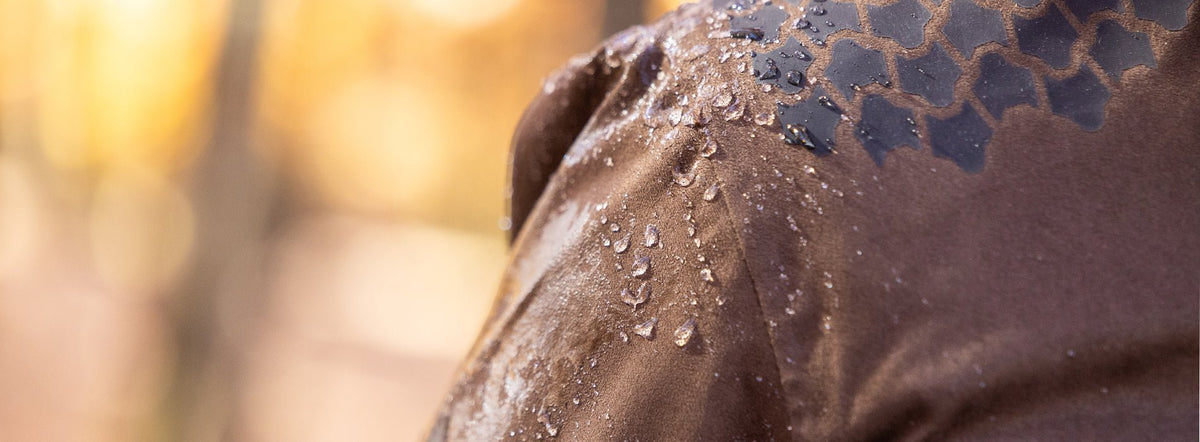
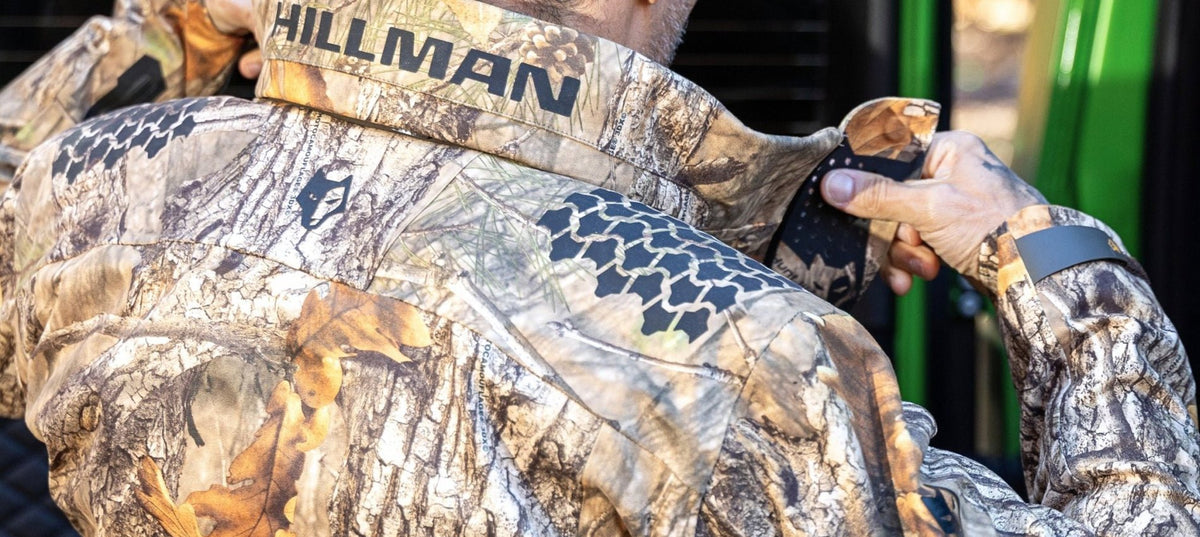
Weather plays a role, too. Checking the forecast is important, but forecasts don’t account for how conditions feel in unfamiliar woods or on exposed ground. Mountains change things quickly. The wrong gear doesn’t always break. Sometimes it just slowly becomes uncomfortable enough to cost hunting success.

That kind of failure is harder to notice and harder to fix.

Regulations Are Part of the Hunt, Whether You Like It or Not

Every country has its own laws. Who can hunt, which species are allowed, what firearms may be used, and under what conditions. None of this is flexible once you arrive.

UK hunters face extra layers. Post-Brexit, British residents no longer have access to the European Firearms Pass. National permits are required instead. From 2025, UK citizens need an ETIAS authorisation for short stays in the Schengen Area.

Many European countries also require proof of specialised hunting liability insurance. Firearms regulations vary by species and destination, including permitted calibers and minimum energy thresholds.

Most hunters don’t enjoy this part. But ignoring it usually ends the trip early.

Firearms, Paperwork, and Why People Get Stuck

what hunters overlook travelling abroad: hunting gear, backpacks for wild boar roe deer

Travelling abroad with firearms requires planning well ahead of departure. Airlines, ferry operators, and rail services must be informed in advance. Temporary import permits are tied to serial numbers and itineraries.

Because of this, many UK hunters choose to use rifles provided by the host estate. Estate firearms remove much of the import and export complexity and reduce the risk of delays.

Hunters who travel with their own firearms usually carry multiple copies of permits, invitations, serial number lists, and licenses. Losing one document can stop a hunt completely.

That reality surprises people the first time.

Trophy Export Is Where Trips Often Unravel

what hunters overlook travelling abroad: hunting gear, boots for wild boar roe deer

Exporting trophies sounds straightforward until it isn’t. Regulations differ by country and by species.

Protected animals may require CITES permits to bring trophies back to the UK. British regulations also prohibit bringing ruminant or porcine meat from the EU into Great Britain for personal use.

Many hunters only discover these limits after a successful hunt, when expectations clash with paperwork. It’s one of the more frustrating ways for a trip to end.

Outfitters Matter More Than People Admit

Outfitters are sometimes seen as a convenience. In many countries, they are required. Beyond legality, they provide local knowledge that visitors simply don’t have.

Good outfitters understand animal behaviour, feeding cycles, seasons, and realistic expectations. They handle permits and logistics quietly, before problems appear.

Bad outfitters do the opposite.

Listening to local experience saves time, energy, and mistakes that visitors tend to repeat.

Different Destinations, Same Pattern

what hunters overlook travelling abroad: hunting gear, cold-weather clothing

Hunting in Europe is structured and traditional. Hunting in Africa is expensive and intense. Other parts of the world fall somewhere in between.

Across countries, species, and seasons, the pattern stays the same. Preparation determines outcome. Hunters who plan carefully tend to leave with good memories. Those who don’t usually leave with stories about what went wrong.

The destination rarely decides that.

When a Trip Becomes a Good One

A successful hunting trip abroad is not defined only by trophies. It’s defined by how smoothly the experience holds together.

Gear that works when it’s needed. Plans that adapt instead of collapsing. Expectations that match reality.

Hunting abroad remains an adventure. But it rewards patience and preparation far more than confidence. That part becomes obvious only later, when the trip is already over.

Markus Holm
Author

Markus Holm

Expedition Hunter / International Field Specialist

Markus Holm writes about hunts where conditions change faster than the plan. Different terrain, unfamiliar species, poor weather, long approaches, missed signals from the field, these are the situations he is interested in. His work is less about perfect conditions and more about what hunters learn when the mountain, forest or weather does not cooperate.

Related blog posts

how to break in hunting boots, best socks to break in boots: waterproof, insulated boots leather

How to Break In Hunting Boots Before a Serious Hunting Trip?

Breaking in hunting boots is not about forcing stiff leather to soften overnight. It is about learning how the boots behave before rough ground, wet weather, and long hours start exposing problems. A proper break-in gives you time to sort heel movement, pressure points, socks, and support before the hunt becomes serious.

Read more

Best Hunting Rain Gear for Hunters (2025 guide) - Hunting Boots - Winter, Waterproof Gear | Men's Hunt Clothes

Best Hunting Rain Gear for Hunters (2026 guide)

The article reviews the best hunting rain gear for 2026, tailored for the unpredictable and often extreme weather conditions across the UK and EU. It emphasizes the importance of breathable, lightweight, quiet, and durable gear for different hunting styles and terrains. Hillman’s rainwear is highlighted as a top performer, outscoring competitors in versatility and weather resistance. The piece also offers practical tips on layering, gear maintenance, and choosing the right setup for woodland stalking, hill stalking, and driven shoots.

Read more

best hunting boots for mixed terrain guide: waterproof, insulated, hiking boots

Best Hunting Boots for Mixed Terrain Trips: One Pair or Two?

For mixed terrain hunts, there’s no perfect boot - only the one that stays stable, dry, and supportive as conditions change. One pair works if it’s versatile and reliable, but two pairs help in wet environments where drying time matters. In the end, fit, break-in, and real-world performance matter more than labels or categories.

Read more

how to choose hunting boots for unknown terrain & conditions: waterproof insulated footwear with reliable grip, ankle support, socks

How to Choose Hunting Boots for Unknown Ground Conditions

Choosing hunting boots for unknown ground is about balance rather than labels or reputation. When grip, fit, waterproofing, insulation, and support work together, boots fade into the background and allow natural movement as conditions change. The right pair keeps feet dry, stable, and comfortable over long hours, even when terrain and weather refuse to behave as expected.

Read more

lightweight hunting gear for frequent travel, layering system: breathable base layers, waterproof hunting jackets, accessories

Lightweight Hunting Gear for Hunters Who Travel Frequently

This piece explains why lightweight hunting gear matters for frequent travel, stressing that excess weight drains energy, slows movement, and disrupts focus. It highlights how adaptable, breathable, and packable clothing improves comfort in changing conditions and makes travel logistics easier. Ultimately, it argues that lightweight gear becomes a long-term investment because it reduces friction, simplifies decisions, and supports better performance in the field.

Read more

best hunting jackets for extreme temperature swings: insulated cold-weather jackets, waterproof warm weather jackets

The Best Hunting Jackets for Extreme Temperature Swings

Hunting in countries with volatile temperatures demands jackets that adapt as conditions swing from cold mornings to warm middays and back again. The best modern shooting jackets balance insulation, breathability, weather protection and movement without constant adjustment. Ultimately, versatility and fit matter more than any single feature, allowing hunters to stay focused on the field rather than the forecast.

Read more

hunting gear evolution: tradition and technology, leather, wool, waterproof boots, footwear, jackets

The Evolution of Hunting Gear: From Tradition to Technology

Hunting gear has evolved from heavy wool and leather into lightweight, technical equipment that improves comfort, safety, and performance in the field. While tradition once shaped clothing as much as function, modern materials now prioritise weather protection, mobility, and efficiency. Today’s hunters balance heritage and technology, adapting to changing conditions without losing respect for the sport’s roots.

Read more

hunting gear guide for international trip: clothes, bags, boots, accessories

Hunting Gear Guide: What to Pack for a Trip Abroad

Preparing for a hunting trip abroad is about packing trusted, practical gear that keeps you comfortable, focused, and ready for unfamiliar conditions. Prioritise reliable clothing, boots, optics, and simple field essentials over unnecessary extras. Thoughtful packing protects your energy, sharpens decision-making, and lets you enjoy the experience wherever you hunt.

Read more

best leather hunting boot

Best Leather Hunting Boot: Handcrafted for the Modern Hunter

The best leather hunting boots balance comfort, durability, and protection across any terrain or climate. Hillman’s handcrafted designs combine premium leather, waterproof membranes, and superior ankle support to keep hunters steady, warm, and dry through every season. Built for endurance rather than luxury, they turn harsh ground into steady footing and long hunts into lasting comfort.

Read more

most expensive hunting boots: not needed with Hillman

Most Expensive Hunting Boots vs Smart Design: Hillman's Approach

The most expensive hunting boots often sell image over innovation, but Hillman proves performance doesn’t need a luxury price tag. Built with smart design, breathable waterproof membranes, and superior ankle support, Hillman boots deliver warmth, grip, and comfort across the toughest terrain. For real hunters, they offer premium durability and protection at a fair, honest price: where smart engineering replaces unnecessary prestige.

Read more

tactical hunting boots: quality footwear for outdoor adventures

What Are Tactical Hunting Boots? Why Do Hunters Rely on Them?

Tactical hunting boots combine military-grade toughness with the comfort and flexibility hunters need in rough terrain and unpredictable weather. Built from durable leather and nylon with waterproof, breathable membranes, they offer superior grip, support, and all-day comfort. Reliable, protective, and long-lasting, they’ve become the go-to choice for hunters, law enforcement, and outdoor professionals alike.

Read more

hunting work boots for fields and forests

Hunting Work Boots Explained: Best Gear in Field and Forest

Hunting work boots are built for endurance, warmth, and grip, combining full-grain leather, insulation, and Dryhunt membranes to keep feet dry and supported in any terrain. They balance durability with comfort, providing stability, breathability, and protection whether you’re working the land or tracking game. In the end, they’re not just boots, they’re trusted companions built to carry hunters through every season and challenge.

Read more

FAQs

What's the most common mistake hunters make when hunting abroad?

Assuming everything transfers. Gear that works fine at home gets properly tested over five consecutive days on unfamiliar terrain. Animals behave differently under different hunting pressure. Local regulations have details that aren't obvious until someone is enforcing them. Most hunters only understand how much they assumed after the first trip.

Do game animals really leave an area and come back?

Yes. Wild boar abandon pressured ground for days and return once things quieten down. Older roe bucks and red deer stags do the same. The instinct is to move more and cover more ground. Often, waiting works better. Animals follow familiar patterns and they come back to them.

Is hunting abroad physically harder than expected?

Usually yes. Travel fatigue, unfamiliar food, longer days than planned, and terrain that looks manageable on a map all add up. Dehydration is a consistent problem that hunters underestimate. Focus drops before it feels serious, and the shot you've waited all day for tends to come exactly when concentration is already thin.

Why do trophy exports cause problems?

Because the rules vary by species and country and most hunters only look into them after a successful hunt. Some species require CITES permits. Some countries restrict what can be exported entirely. Finding that out at the end of a trip is a frustrating way to finish one.

Does gear actually fail more on foreign hunts?

It does, because trips abroad push gear harder. Longer days, heavier packs, wetter or colder conditions than expected. Equipment that's never been properly stressed reveals its weaknesses quickly. The other problem is that replacing anything abroad is rarely straightforward. No familiar shops, no easy fixes, and hunting days disappear fast when gear becomes a distraction.

How much does a good outfitter actually matter?

More than most hunters budget for when planning. Local knowledge about animal behaviour, feeding cycles, and realistic expectations for the area is genuinely hard to replace. Good outfitters handle permits and logistics before problems appear. Bad ones do the opposite, and by the time that's obvious, you're already there.

What do hunters consistently underestimate about regulations?

How specific they are and how little flexibility exists once you arrive. Permitted calibres, minimum energy thresholds, species restrictions, insurance requirements vary significantly between countries. Reading regulations quickly and assuming the gaps don't matter is where most problems start. Getting it wrong rarely results in a warning.